
Business
Zelensky Says U.S.-Russia Diesel Deal Could Prolong War Costs
Zelensky criticized a U.S.-Russia diesel supply deal, warning that cheaper fuel flows could come at the cost of prolonging the war.
Editorial Team·
·4 min
Zelensky criticized a U.S.-Russia diesel supply deal, warning that cheaper fuel flows could come at the cost of prolonging the war.

United Russia’s projected Duma dominance signals policy continuity for Russian households, savers and everyday investors.

Russian strikes killed four people and damaged homes, a hospital site, an administrative building and warehouses, adding pressure on Ukrainian households.

A US-Denmark-Greenland security deal could affect defense stocks, rare earth supply chains, currencies and household costs despite claims it is taxpayer-free.
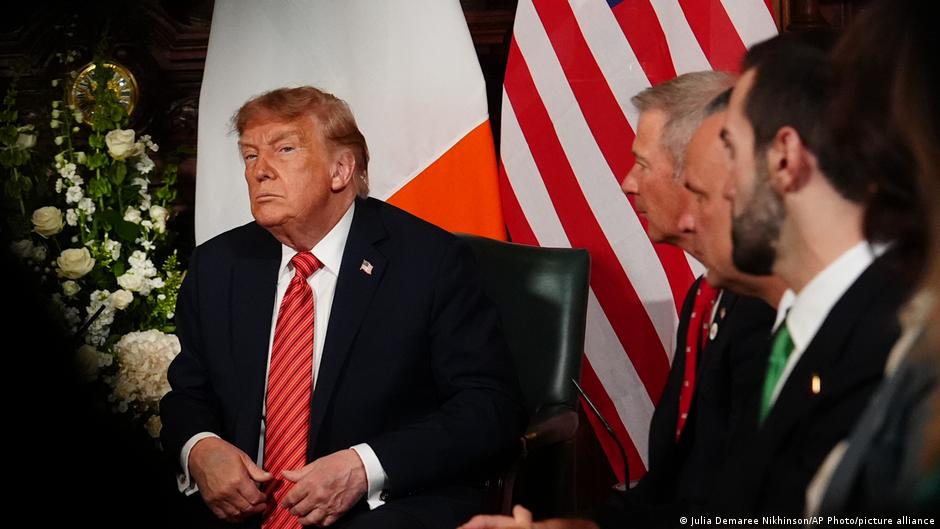
Trump said the U.S. will remove a 10 percent tariff on Irish whiskey, a move that could ease import costs and affect consumer prices.

Sabotage at European defense factories risks supply chain disruptions that could raise consumer costs and disrupt savings amid ongoing geopolitical tensions.

Concerns over Ukraine’s potential to produce Patriot missiles raise questions about defense spending, supply chains, currency impacts, and investor risks affecting households globally.

Lithuanian defense warns of possible Russian drone attacks on Baltic infrastructure, highlighting risks to household budgets and financial stability in the region.
Uzbekistan’s new digital transformation plan introduces a national navigation system and unified public platform, aiming to improve services and reduce costs for consumers and investors.

The EU protests Russian missile strikes damaging civilian and diplomatic sites in Ukraine, escalating regional tensions that affect European household budgets, inflation, and currency markets.

Russia’s oil product production dropped nearly 22% in June, driving fuel price increases and straining household budgets and consumer spending.
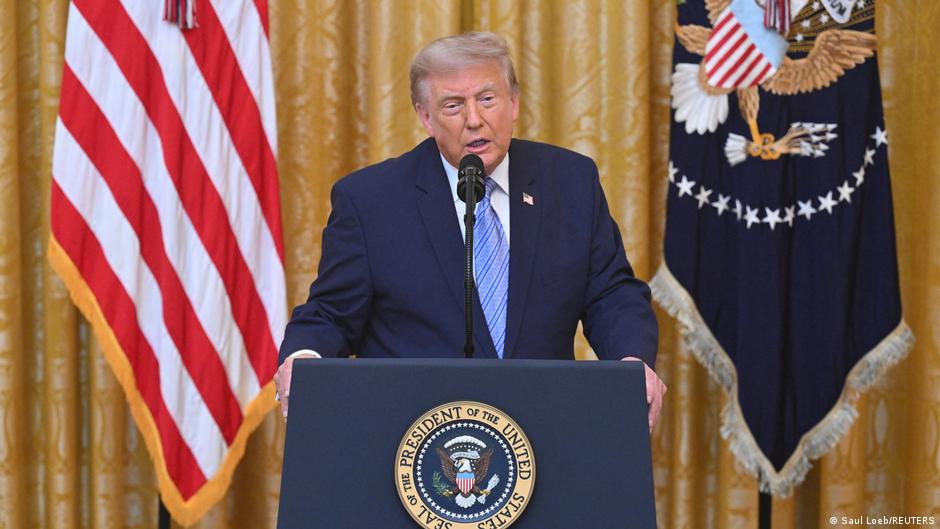
Trump alleges China accessed data of 220 million US voters in 2020, raising concerns over data breaches that threaten consumer security and household finances.

Uzbekistan’s water reforms improve resource efficiency, potentially reducing costs for households and strengthening financial resilience amid environmental challenges.

German and US foreign ministers emphasize their partnership's role in stabilizing the global economy amid crises affecting household finances and investor confidence.
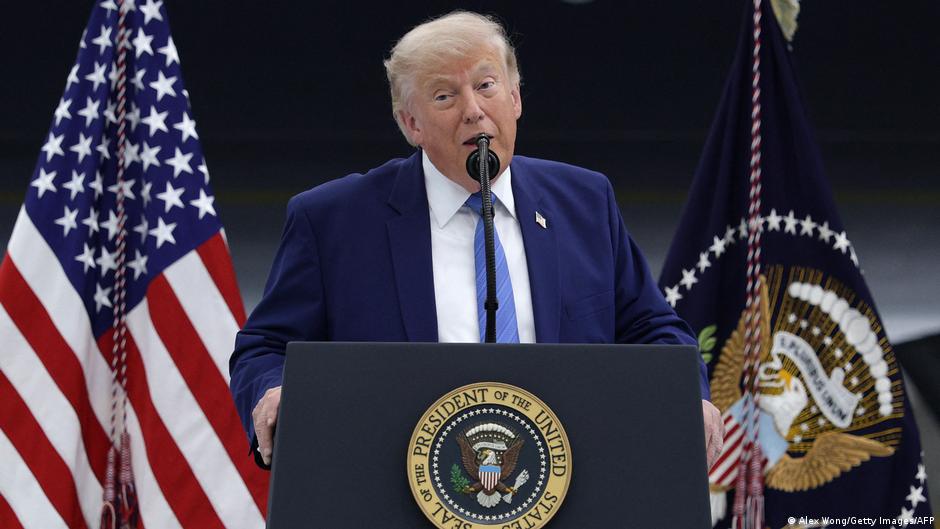
The US may charge fees for passage through the Strait of Hormuz if Iran deal fails, risking higher oil prices and impacting household budgets and currency markets worldwide.

Bulgaria plans to veto the EU's new sanctions on Russia, citing risks to fuel supply, metro parts, and fertilizer availability that could impact household budgets and inflation.

The U.S. plans to reduce its NATO fighter jets and naval presence in Europe, affecting defense budgets, currency stability, and investor outlooks across allied nations.

Drone attacks in Kharkiv and Odessa damaged residential buildings and injured seven people, affecting household budgets and raising concerns for local economies and personal finances.

Russia's military cooperation with the Taliban could influence global arms flow and economic stability, impacting household budgets and investment markets worldwide.
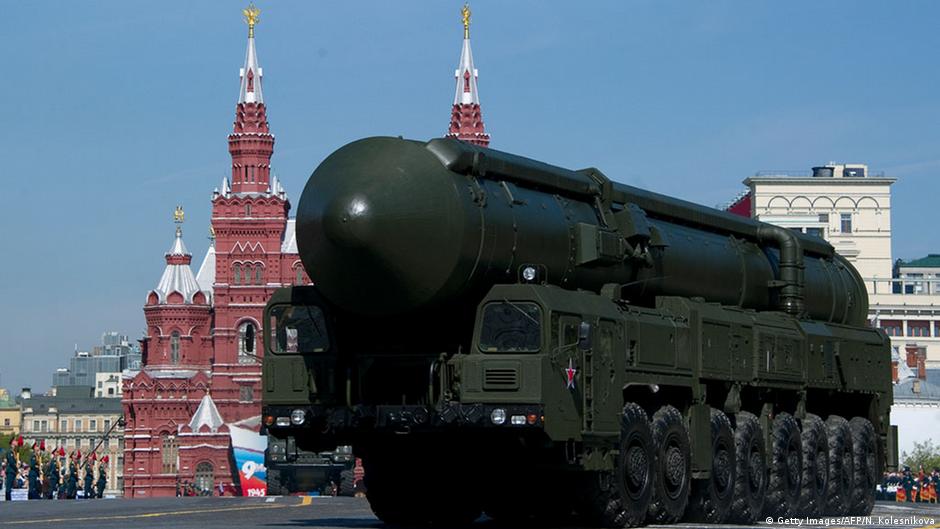
NATO intelligence reveals Russia's secret underwater nuclear missile project which could impact global defense spending, currency stability, and everyday financial risks for consumers and investors.

Ukraine imposes sanctions on Russian defense-linked companies and individuals, extending restrictions that may impact household finances and investor confidence.

Serbia hosts first joint NATO military exercises amid neutrality policy, with potential but limited impact on household finances and economic stability.
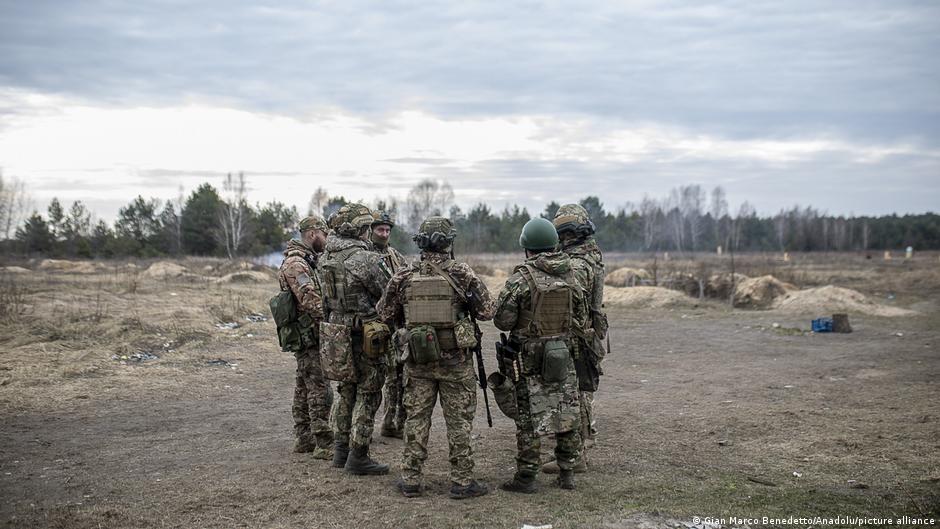
The brief ceasefire between Russia and Ukraine involves troop rotations and ongoing skirmishes, impacting regional economies, currency stability, and household financial security.
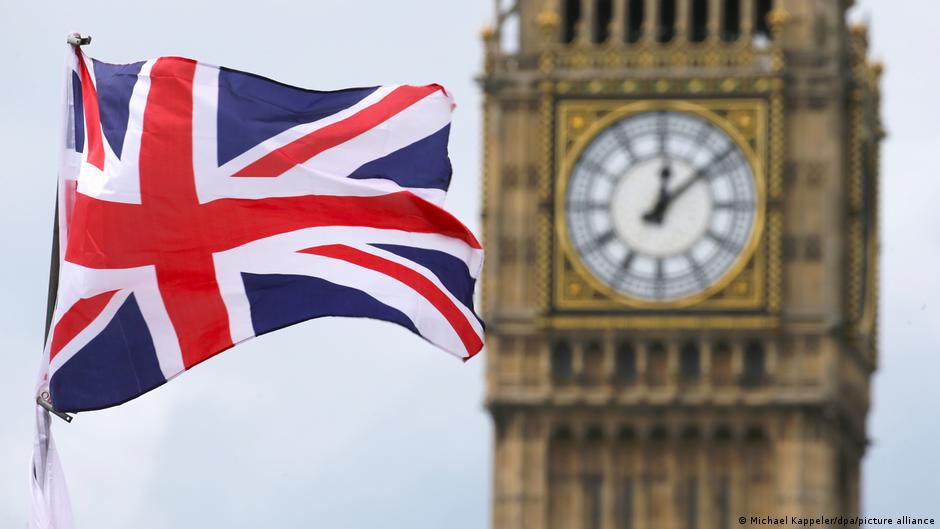
UK and Russia's diplomat expulsions escalate tensions, influencing currency volatility, investment risks, and household financial stability amid geopolitical uncertainty.

Israel's naval blockade halts humanitarian aid to Gaza, deepening economic pressures on household budgets, currency stability, and consumer markets in the region.

The US Treasury will not extend exemptions allowing purchases of Russian and Iranian oil at sea, potentially raising energy prices and affecting household budgets globally.
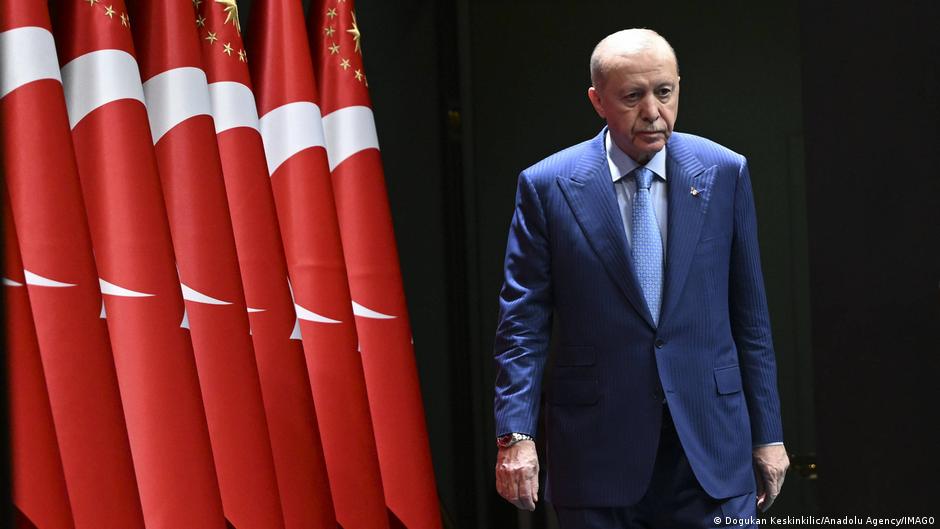
Turkey is pushing to restart Russia-Ukraine peace talks, a move that could ease inflation and market volatility impacting household budgets and investors globally.