Germany Presses Ukraine to Factor Berlin’s Industry Into Aid Spending
Germany’s foreign minister says aid to Ukraine should also benefit German defense firms, citing the need to justify spending to taxpayers.

Germany’s foreign minister says aid to Ukraine should also benefit German defense firms, citing the need to justify spending to taxpayers.

ICAO’s call for stronger protections over conflict zones may influence travel costs, insurance pricing and investor sentiment around airlines and transport.

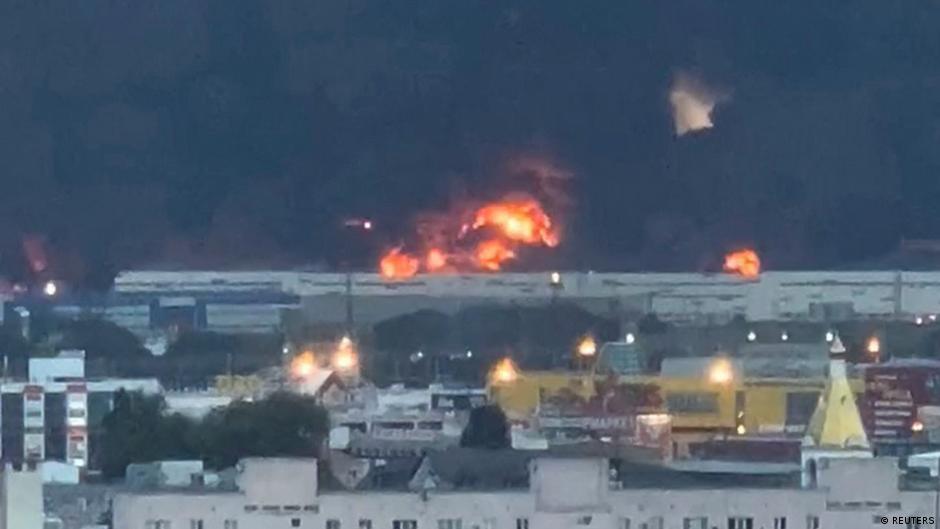
Drone attacks on Ozon warehouses in Krasnodar and Stavropol disrupt operations, cause casualties, and threaten supply chains, impacting consumer access and costs.

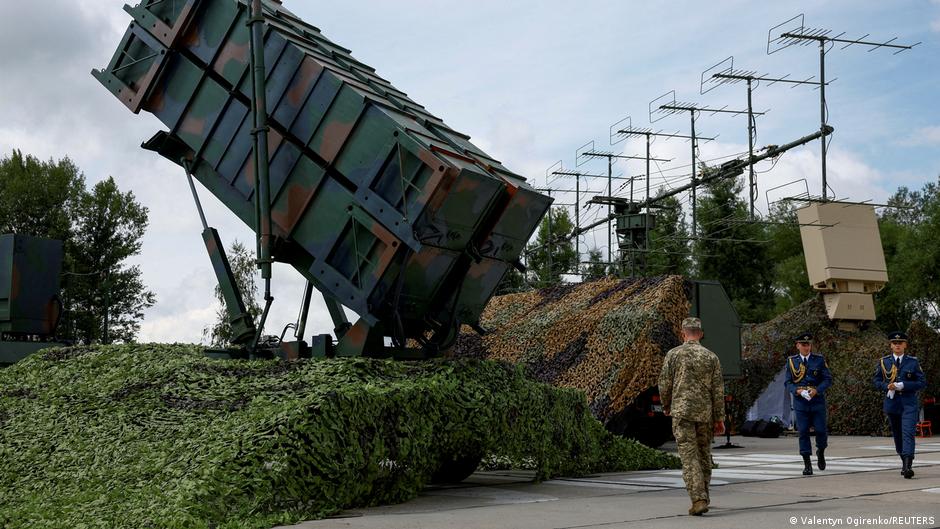
Concerns over Ukraine’s potential to produce Patriot missiles raise questions about defense spending, supply chains, currency impacts, and investor risks affecting households globally.

Lithuanian defense warns of possible Russian drone attacks on Baltic infrastructure, highlighting risks to household budgets and financial stability in the region.

US missile supplies are strained by aid to Ukraine, prompting concerns about increased defense spending and potential impacts on household budgets and consumer finances.

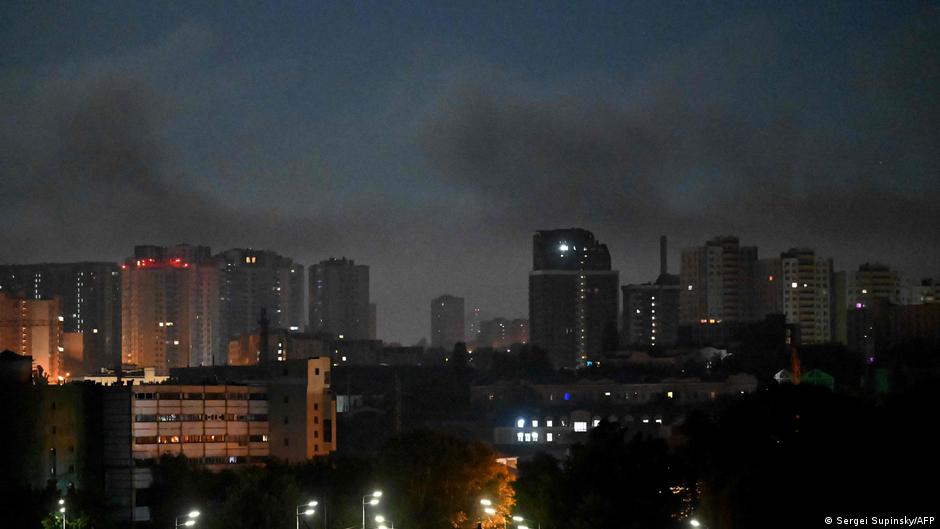
Renewed Russian missile attacks on Kyiv and surrounding regions cause civilian casualties and disrupt local economies, straining household budgets and defense capabilities.

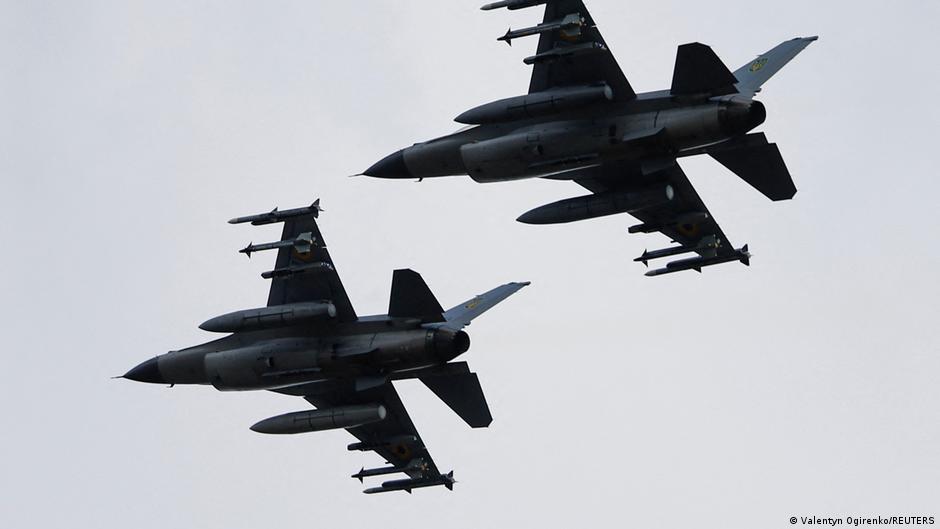
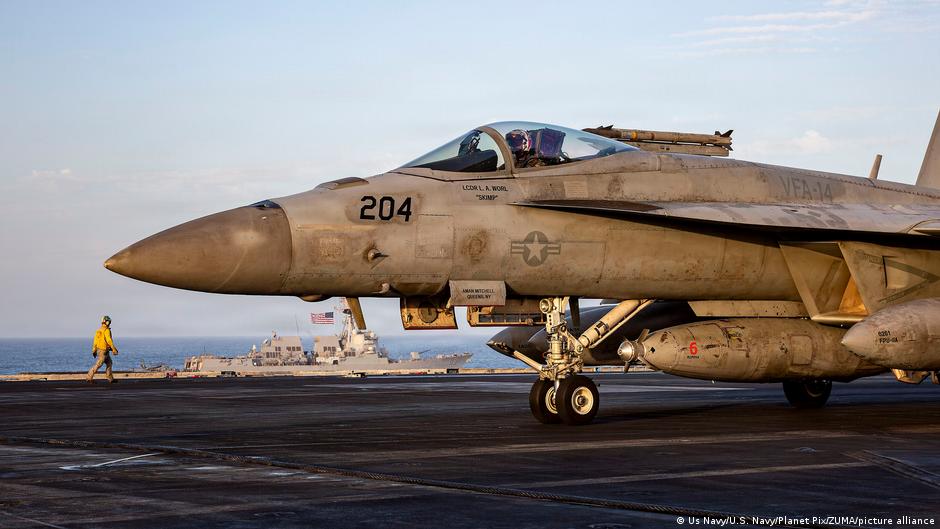
Ukraine’s fourth F-16 fighter jet crash highlights rising military costs and financial pressures affecting national budgets and household economies amid ongoing conflict.

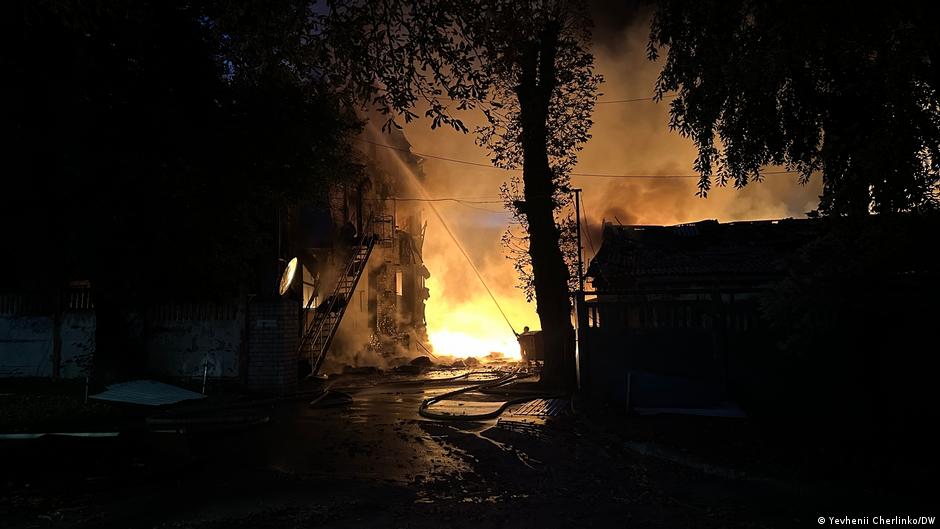
Russian missile and drone strikes in Ukraine cause tragic losses and property damage, threatening household budgets, local currency stability, and everyday investors’ financial security.

The UK’s transfer of rights for the Stone Cloak electronic warfare system to Ukraine affects defense innovation and has broader implications for household budgets and currency stability.

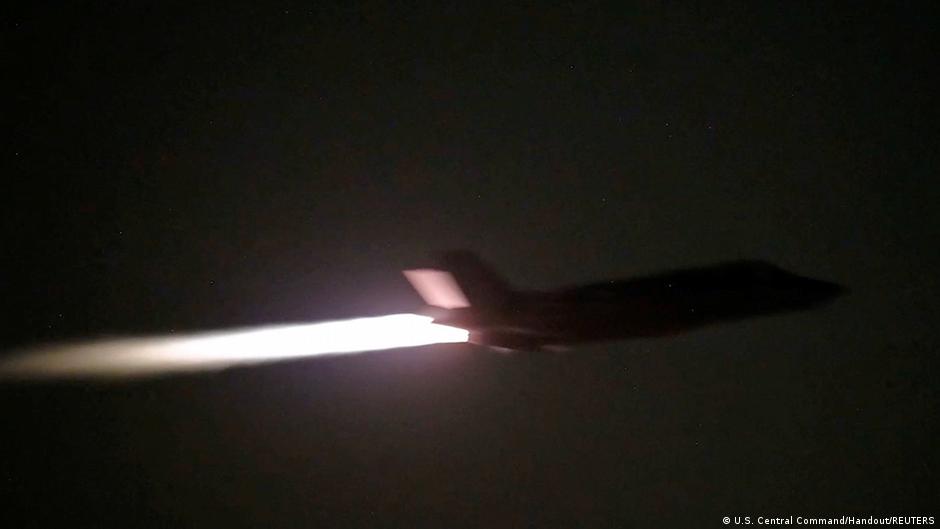
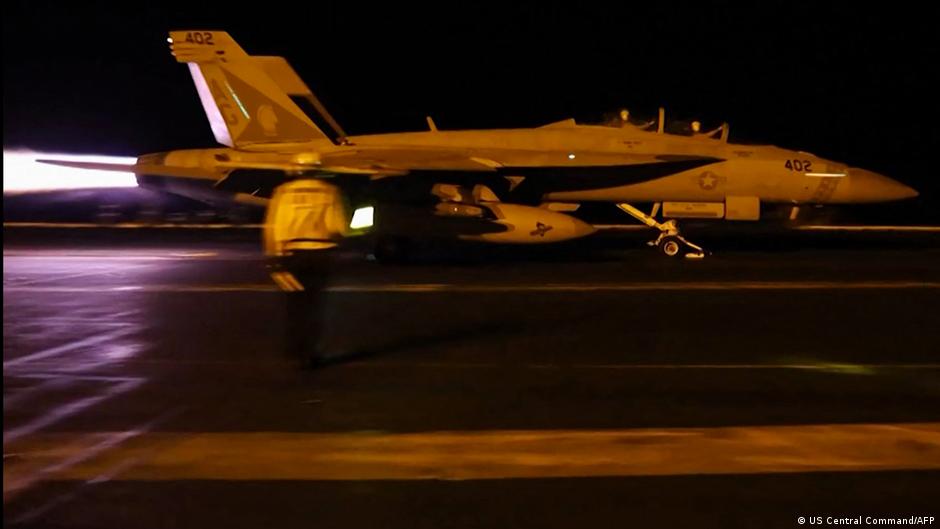
Eleven nights of US strikes on Iran disrupt key oil routes, pushing energy costs higher and affecting household budgets and investor confidence globally.

US strikes on Iran enter the tenth day, risking global energy supply disruptions that could raise fuel prices and strain household budgets and investor portfolios worldwide.

Drone strikes on Russian logistics hubs and residential areas threaten supply chains, risking higher consumer prices and financial market volatility that impact households and investors.

US strikes on Iran and renewed sanctions risk disrupting global oil supplies, pushing energy costs higher and impacting household budgets and investors worldwide.

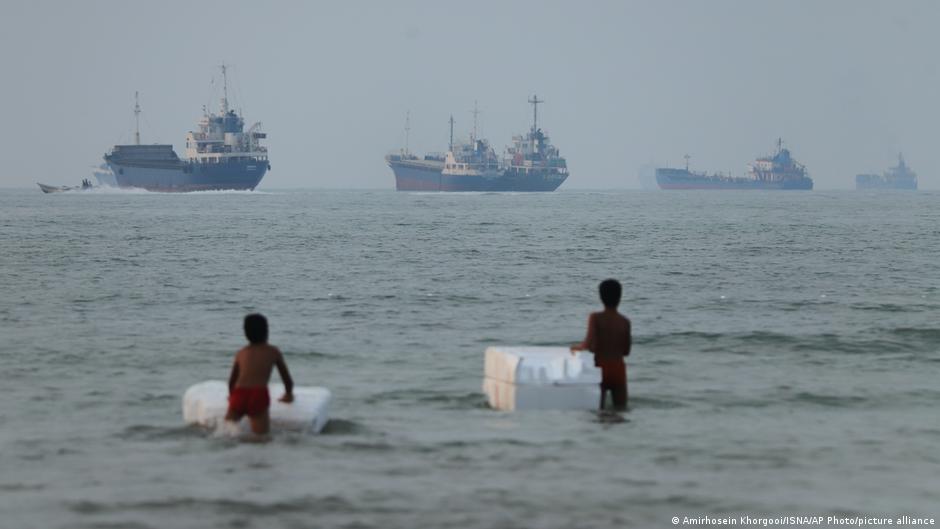
US strikes on Iranian military targets follow drone attacks on oil tankers near the Strait of Hormuz, risking higher energy prices and economic uncertainty for consumers worldwide.

Russia closes the Romanian consulate in St. Petersburg following diplomatic disputes sparked by a Russian drone incident in Romania, with potential impacts on household budgets and currency stability.

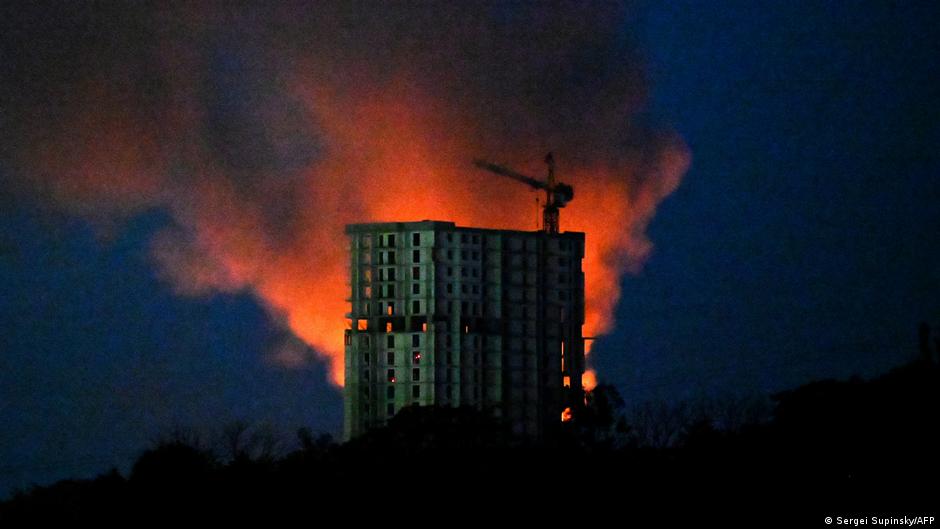
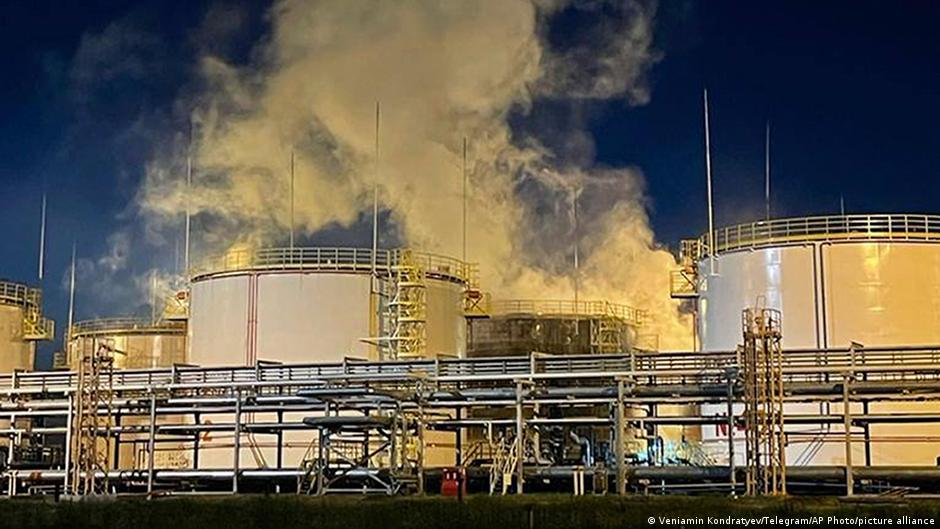
A drone attack caused a fire at a key oil depot near Krasnodar, disrupting regional fuel supplies and raising energy costs for households in Southern Russia.

Russian drone and missile strikes in Kharkiv and Odessa damage homes and agriculture, impacting household budgets, food prices, and consumer confidence in Ukraine.

Drone strikes on Crimea's energy facilities threaten local energy supplies, potentially raising household costs and impacting regional markets and investors.

G7 countries announced new sanctions on Russian oil and gas, increased arms aid to Ukraine, raising concerns over rising energy prices and household budget impacts.

US President Trump halts planned strikes on Iran amid progress toward a regional deal, potentially stabilizing global oil prices and easing the burden on household finances.

President Zelensky's positive talks with US envoys highlight ongoing efforts to end the Ukraine war, affecting household budgets and financial markets worldwide.

Repeated drone strikes over Kyiv disrupt daily life and threaten household finances, with impacts on incomes, savings, and currency stability amid ongoing conflict.

US-Iran drone strikes near the Strait of Hormuz threaten energy supply routes, potentially driving up global oil prices and impacting household budgets worldwide.

Drone attacks near St. Petersburg disrupt flights and raise economic concerns for Russian households, affecting travel, currency stability, and local investor confidence.

Rheinmetall’s €5.7B arms deal with Romania, funded by the EU’s SAFE program, highlights defense spending’s broader impact on household budgets, currencies, and investors.

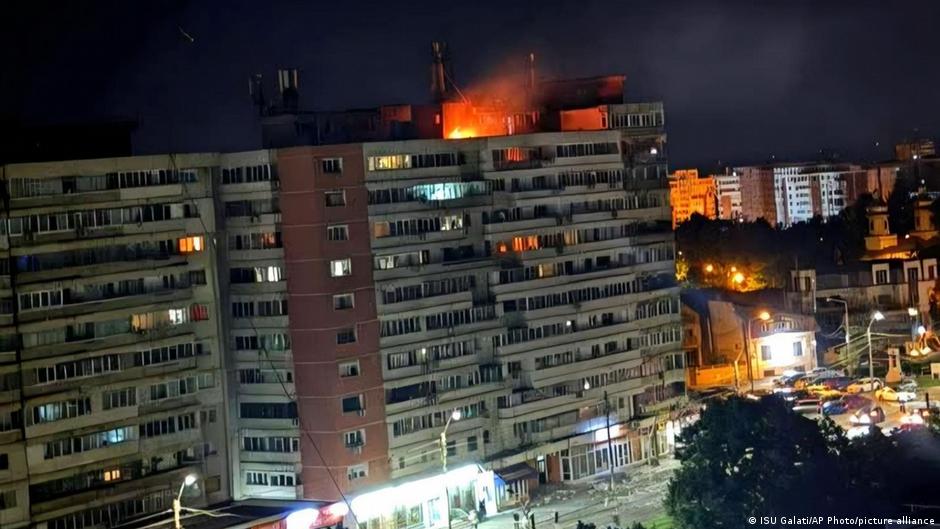
A Russian-origin drone crashed into a Romanian residential building, raising security and economic concerns for local households and investors amid regional tensions.

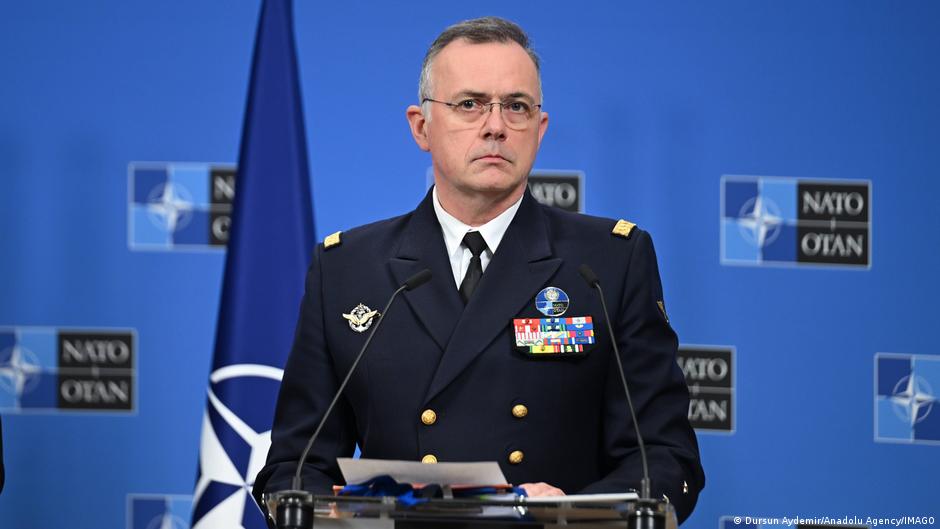
NATO confirms the steady supply of US air defense missiles to Ukraine, with implications for household budgets, government spending, and currency stability amid the ongoing conflict.

Ukraine and Germany deepen defense cooperation to enhance air defense and drone production, influencing regional security and economic stability amid ongoing conflict.

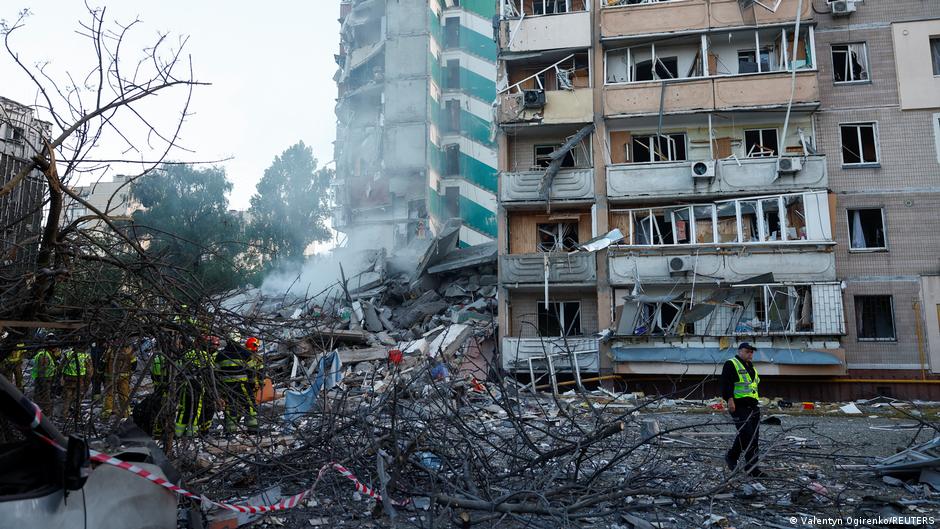
Russian missile and drone attacks on Kyiv have caused fires and damage, intensifying economic uncertainty for Ukrainian households, impacting budgets, savings, and currency stability.

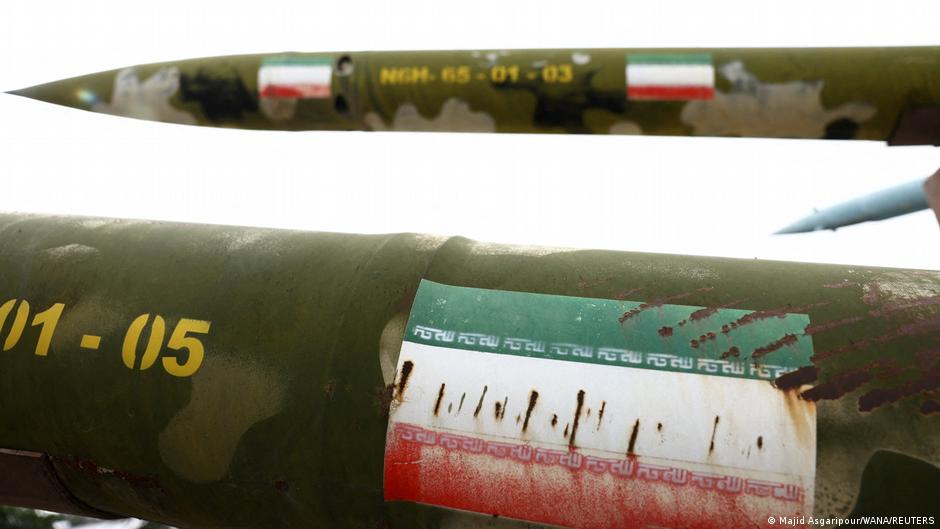
Iran’s missile and drone strikes on the UAE escalate regional tensions, threatening global energy supplies and raising costs that impact household budgets and investors.

A drone struck a residential building in western Moscow, causing damage and raising concerns over household safety, repair costs, and local property values.

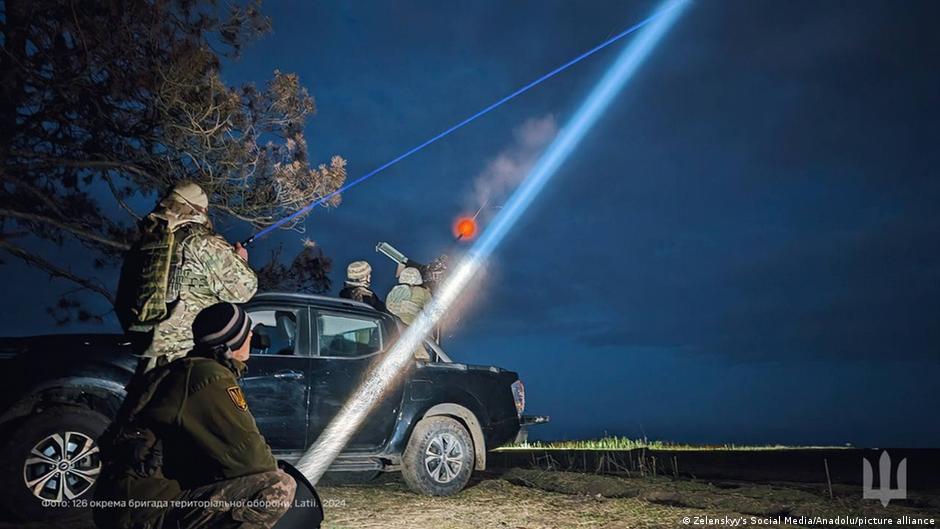
Renewed Russian drone attacks in Ukraine disrupt energy infrastructure and civilian areas, raising concerns about rising utility costs and economic stability for households and investors.

Drone attacks on Russian oil depots caused fires that may disrupt fuel supplies, affecting household energy costs and market stability.