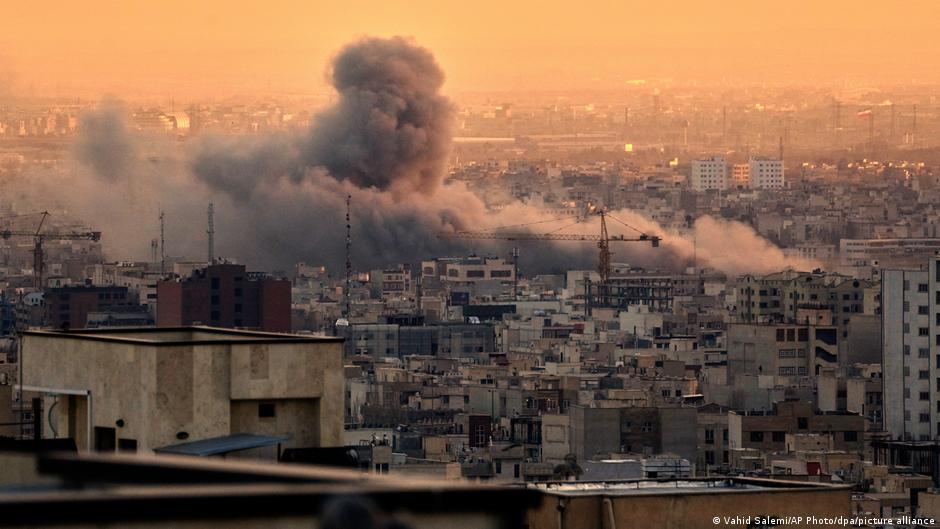
US Strikes on Iran Enter 11th Night Amid Rising Middle East Tensions Impacting Global Markets
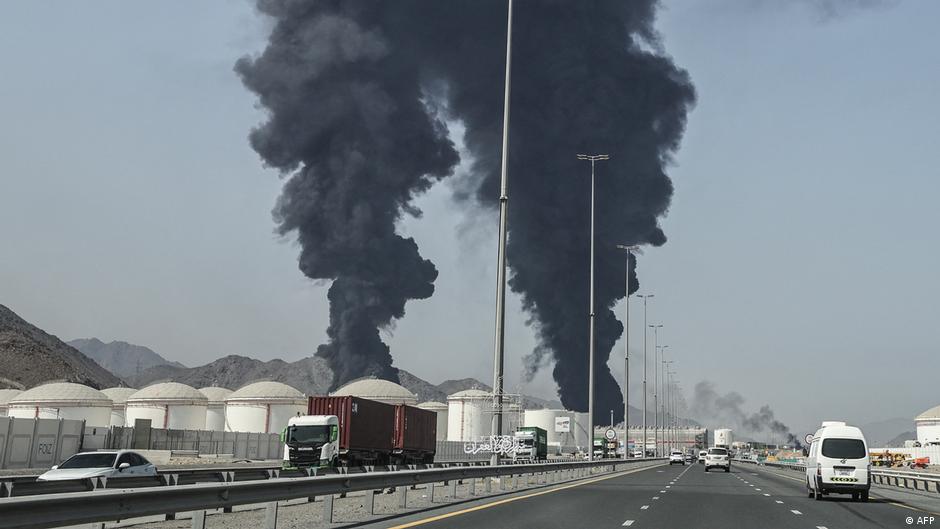
Eleven nights of US strikes on Iran disrupt key oil routes, pushing energy costs higher and affecting household budgets and investor confidence globally.

Eleven nights of US strikes on Iran disrupt key oil routes, pushing energy costs higher and affecting household budgets and investor confidence globally.

US strikes on Iran enter the tenth day, risking global energy supply disruptions that could raise fuel prices and strain household budgets and investor portfolios worldwide.

US military deaths in the Iran conflict rise, increasing geopolitical risks that affect household budgets, currency markets, and investment decisions.

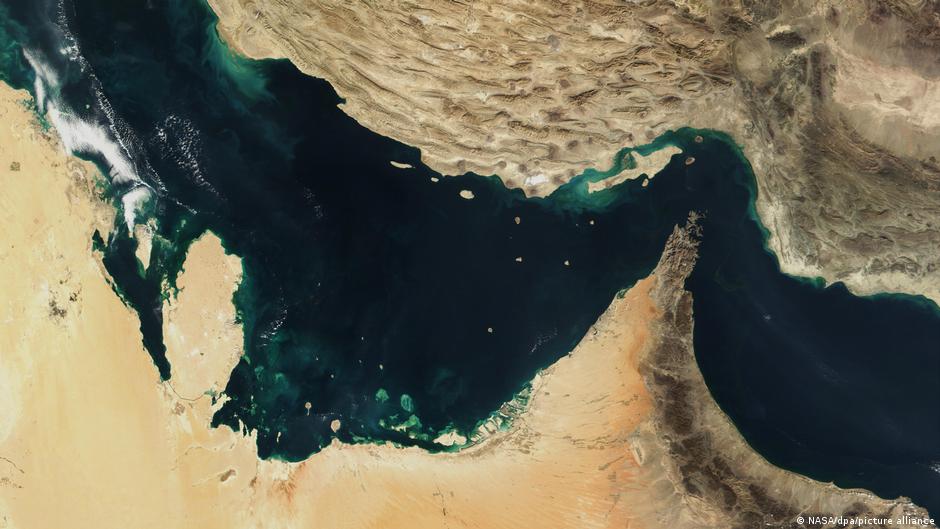
US-Iran conflict intensifies with nine nights of US strikes and Iranian retaliation, disrupting energy flows through the Strait of Hormuz and impacting global fuel prices.

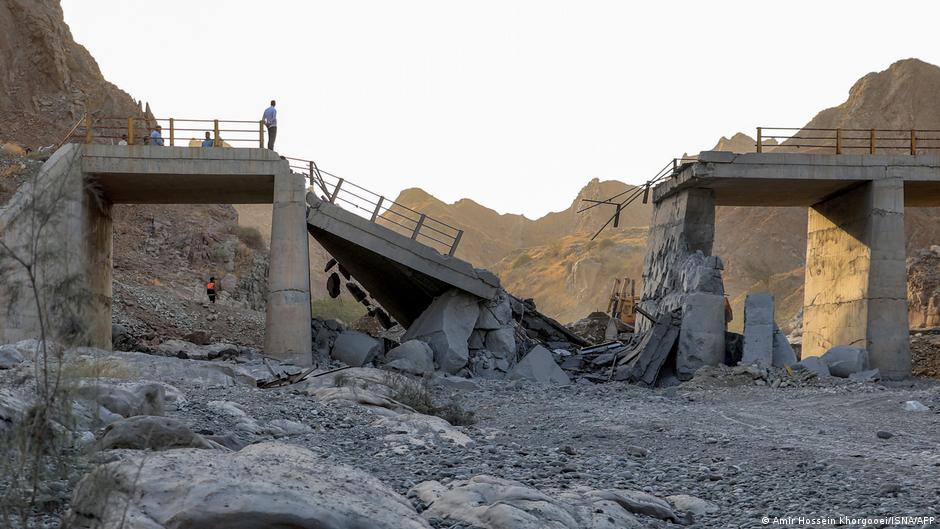
US strikes on Iran's infrastructure heighten risks of oil supply disruptions, driving up energy costs and impacting household budgets and investors worldwide.

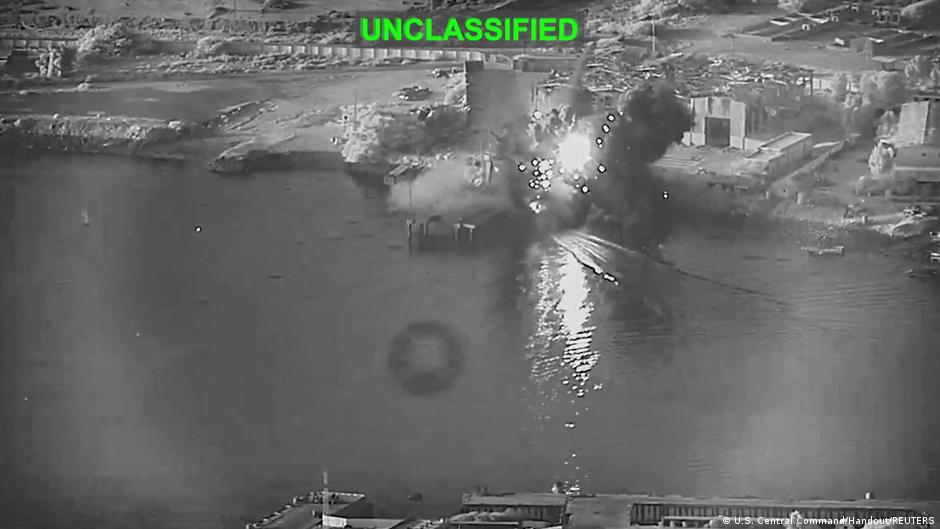
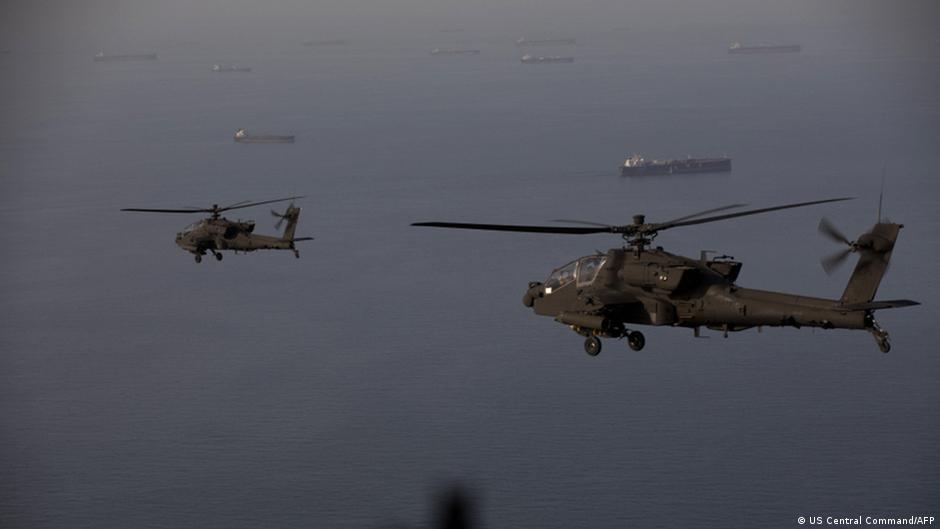
US military strikes on Iran near the Strait of Hormuz risk disrupting oil supplies, driving up energy prices, and straining household budgets and investments globally.

US strikes on Iran have closed the crucial Strait of Hormuz, threatening global oil supplies and raising energy costs that impact household budgets and everyday investors worldwide.

U.S.-Iran military clashes after a drone strike on a cargo ship in the Strait of Hormuz drive up global oil prices, impacting household budgets and everyday investors.

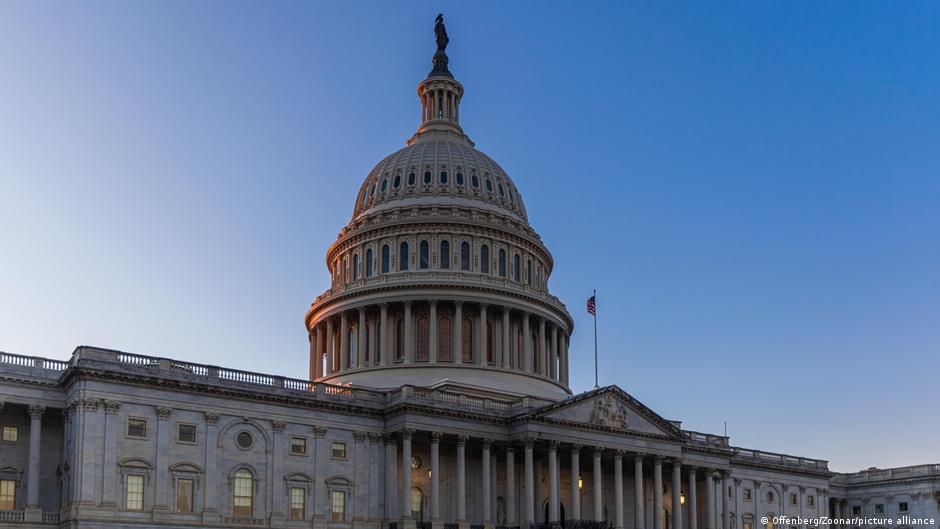
The US Senate voted to end military actions against Iran, signaling shifts that may ease economic pressures on households and investors amid ongoing peace talks.

Renewed US-Iran hostilities and the closure of the Strait of Hormuz are driving up oil prices, threatening household budgets and global consumer costs.

US strikes on Iran near the Strait of Hormuz raise the risk of higher oil prices, impacting household budgets, savings, and currency stability worldwide.

The Israel-Iran conflict is affecting global markets, household budgets, and investments by driving volatility in currencies and energy costs, impacting consumers worldwide.

The US Senate advances a resolution to restrict military actions against Iran, with significant impacts on household budgets, currency markets, and consumer investments.

Secret UAE strikes on Iran and Iranian retaliations disrupt Gulf economies, affecting tourism, real estate, and household finances amid rising regional tensions.

US delays in arms shipments to Europe due to Iran conflict strain defense budgets, impacting household finances, currency stability, and investor confidence across allied nations.

Oil prices surged over 7% amid US-Iran tensions, pressuring household budgets, savings, and currencies worldwide due to potential long-term supply disruptions.

King Charles III’s US visit amid UK-US tensions spotlights rising energy costs and currency risks affecting household budgets and everyday investors.