Germany’s Long-Term Welfare Rolls Raise Budget Questions for Households
Germany’s long-term Bürgergeld rolls are fueling debate over taxes, work incentives and the pressure welfare spending places on household budgets.

Germany’s long-term Bürgergeld rolls are fueling debate over taxes, work incentives and the pressure welfare spending places on household budgets.

Two Latvian citizens were detained at RAF Molesworth, adding to security concerns that may shape household costs, currencies and investor sentiment.

Germany’s economy minister warned the Left Party’s Berlin win could weaken investor confidence and raise risks for households and savers.

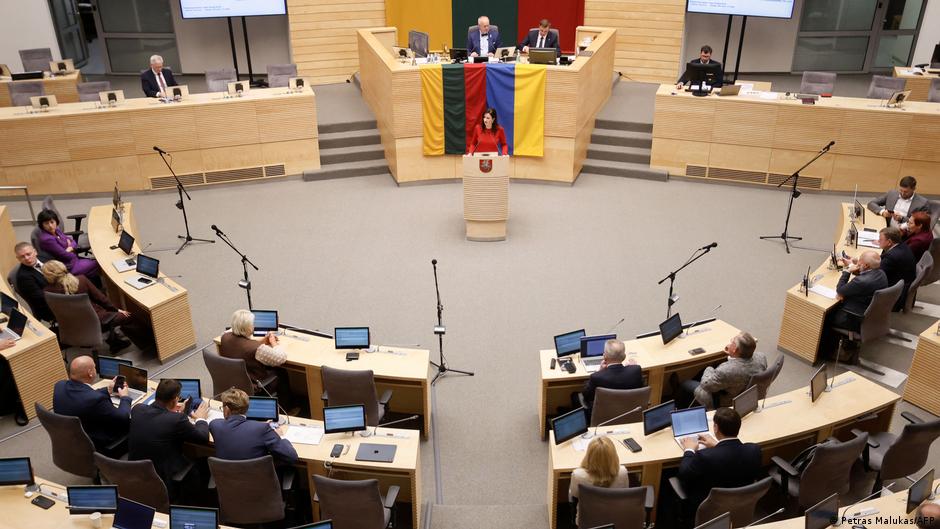
Lithuania’s proposed property curbs add legal and financial uncertainty for Russian and Belarusian residents planning home purchases.

Berlin’s Left Party win puts rent policy, household costs and property-market risk at the center of coalition talks.

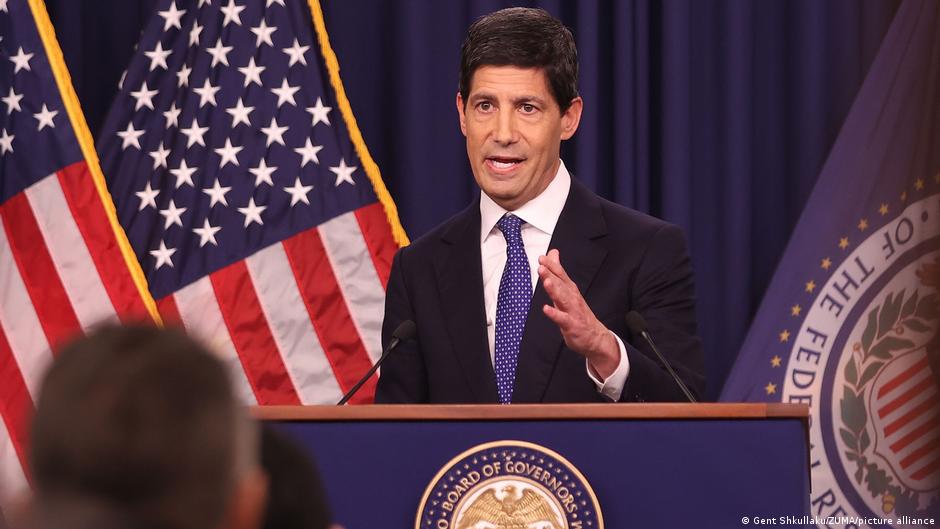
The Fed lifted rates to 3.75-4%, raising borrowing pressure for households while potentially improving returns for savers.

AfD’s Saxony-Anhalt win raises uncertainty over coalition talks, energy policy, sanctions and the economic outlook for households and investors.

Uzbekistan’s government auctions its full stake in the Fonon Jewelry Factory’s parent company, which carries substantial debt and uncertain financial prospects for consumers and investors.

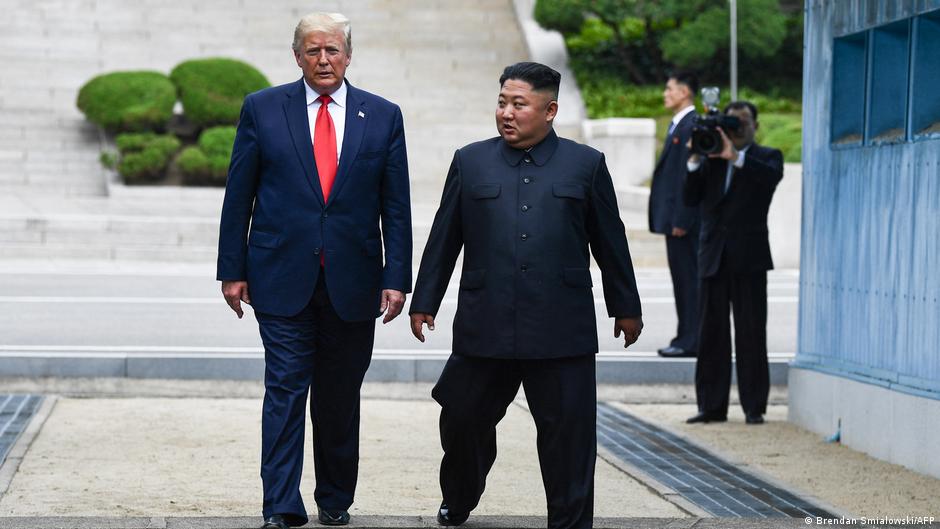
US President Trump plans a fall meeting with North Korean leader Kim Jong Un to revive nuclear talks, with potential impacts on currencies and household finances worldwide.

Russian attacks in Ukraine’s Dnipropetrovsk and Kharkiv regions cause civilian casualties and damage to infrastructure, intensifying financial hardships for affected households.

Ukraine’s new Prime Minister Sergei Koretsky, an energy sector expert, could influence household utility costs and economic stability amid government reshuffle.

Uzbekistan’s water reforms improve resource efficiency, potentially reducing costs for households and strengthening financial resilience amid environmental challenges.

Communists win Graz municipal elections focusing on housing and economic policies that impact household budgets and consumer finances in Austria's second-largest city.

Iran has rebuilt most of its missile arsenal, possibly with Russian help, impacting global energy routes and driving up fuel costs affecting household budgets and investors worldwide.

The Israel-Iran conflict is affecting global markets, household budgets, and investments by driving volatility in currencies and energy costs, impacting consumers worldwide.

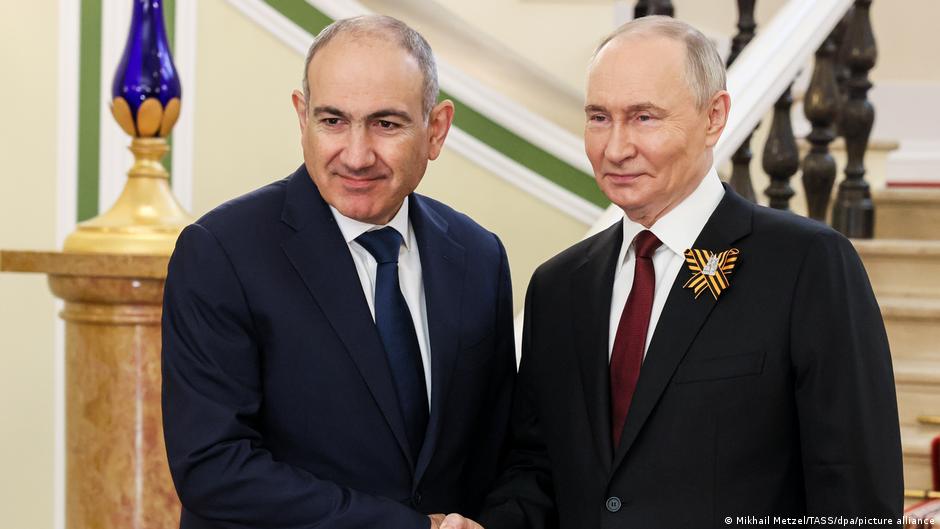
Russia’s threat to suspend duty-free gas and fuel exports to Armenia could drive up household energy costs and disrupt consumer markets amid Armenia’s EU integration efforts.

Hungary reinstates its ban on Ukrainian agricultural imports, impacting local food prices, household budgets, and regional trade dynamics amid EU tariff changes.

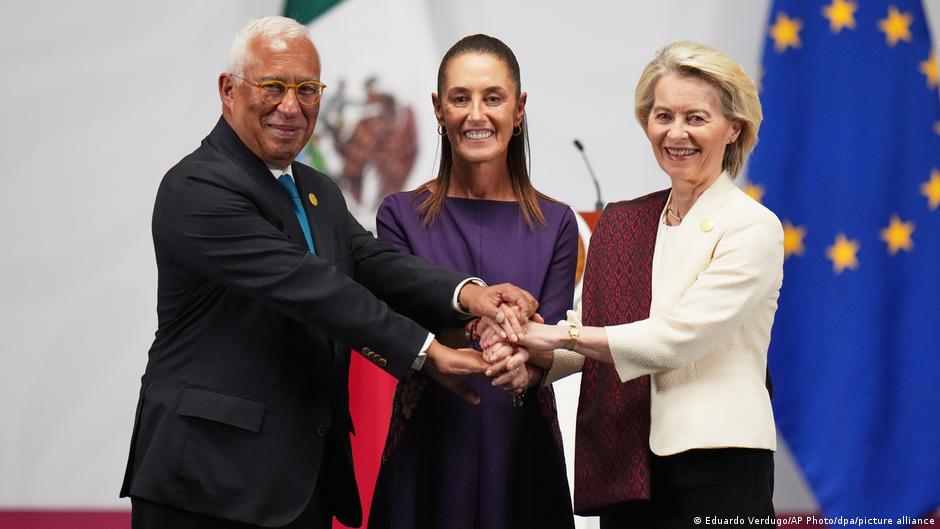
The EU-Mexico trade deal removes tariffs and trade barriers, potentially lowering consumer prices and opening new investment opportunities for households and everyday investors.

Latvia’s governing coalition collapses amid defense minister resignation, creating political and economic uncertainty that may impact household budgets, currencies, and investors.

Latvia’s defense minister resigned after drones violated airspace, raising concerns about regional security and potential impacts on household budgets and energy prices.

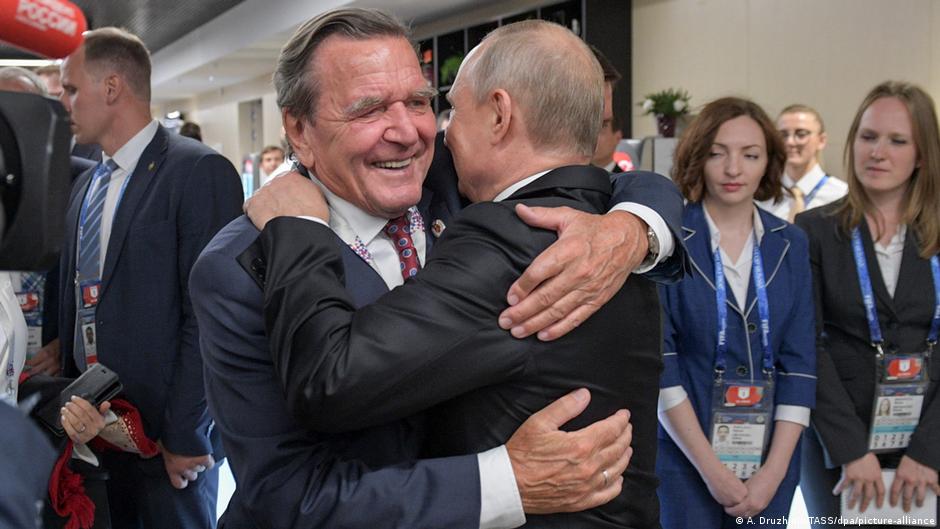
Putin names former German Chancellor Schröder as preferred EU negotiator in Ukraine talks, potentially impacting energy prices, currencies, and household budgets across Europe.

Ryanair will close its Berlin base and cut flights by half due to rising German aviation taxes and airport fees, driving up travel costs for consumers and limiting budget travel options.

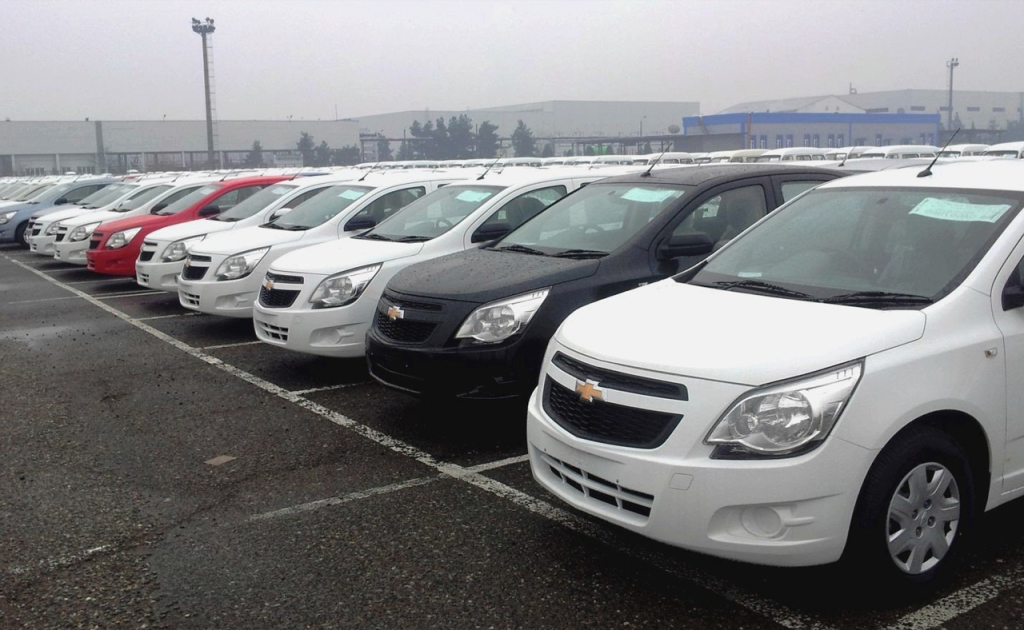
Uzbekistan's car sales surged 19% in March, with new and used vehicles driving consumer spending and affecting household budgets and savings.

The Trump administration wants GM, Ford and other manufacturers to help produce weapons, echoing WWII-era industrial mobilization.