Germany’s Long-Term Welfare Rolls Raise Budget Questions for Households
Germany’s long-term Bürgergeld rolls are fueling debate over taxes, work incentives and the pressure welfare spending places on household budgets.

Germany’s long-term Bürgergeld rolls are fueling debate over taxes, work incentives and the pressure welfare spending places on household budgets.

United Russia’s projected Duma dominance signals policy continuity for Russian households, savers and everyday investors.

Support for Germany’s CDU/CSU falls to a five-year low, raising concerns about economic stability and consumer confidence ahead of regional elections.

Germany identifies 410 individuals linked to Islamist extremism, raising concerns about impacts on household finances, consumer confidence, and economic stability.

Ukraine warns Russia plans to expand military mobilization in 2026, including North Korean troops, raising economic risks for Russian households, savings, and currency stability.

The IMF approved a €604 million payment to Ukraine, supporting budget deficits and economic reforms amid war, with implications for household finances and currency stability.

Hungary’s veto on Ukraine’s EU accession negotiation clusters delays integration, risking currency volatility, inflation, and uncertainty for households and investors.

Germany plans a 6% increase in spending and higher borrowing in its 2027 budget, with defense costs rising sharply, raising concerns for household finances and economic growth.

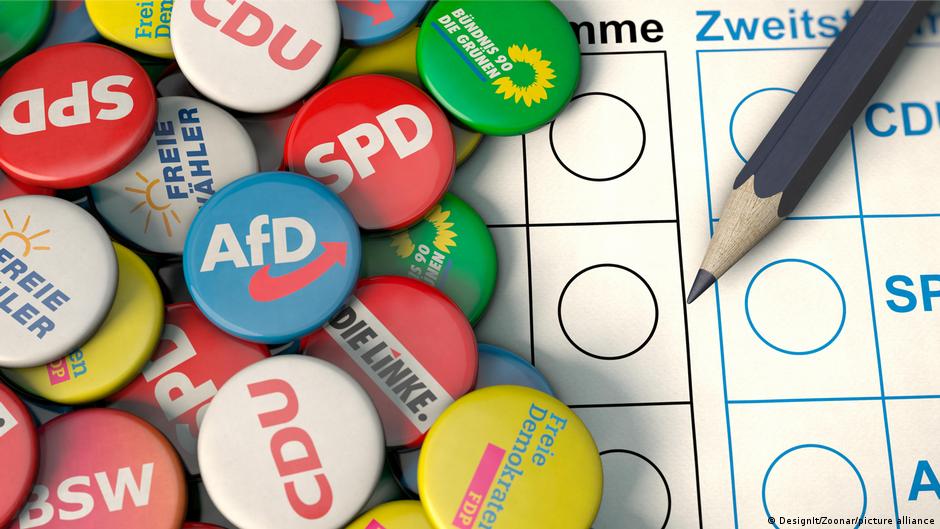
Nearly half of Germans oppose banning the far-right AfD party, which leads polls and influences consumer confidence, savings, and household financial strategies.

The US has imposed new sanctions on five Cuban state firms controlling 40% of GDP, impacting trade, investments, and household economies amid escalating tensions.

Belgium granted one-day visas to five Taliban representatives for EU talks on Afghan deportations, highlighting migration policy impacts on households and financial stability.

Bulgaria plans to veto the EU's new sanctions on Russia, citing risks to fuel supply, metro parts, and fertilizer availability that could impact household budgets and inflation.

Germany’s workforce shortage is set to rise by 4.3 million by 2036 due to retiring baby boomers and reduced immigration, impacting household incomes and economic stability.

Armenia’s parliamentary vote recount reveals minor shifts in party results amid political tensions that may affect currency stability, household budgets, and investor confidence.

Denials of Chancellor Friedrich Merz’s early replacement ease political uncertainty, helping stabilize Germany’s economy and consumer confidence amid current challenges.

Ukraine’s plan to supply NATO with long-range drones and missiles could reshape defense dynamics and affect household finances, currency stability, and consumer investment decisions in Europe.

Jean-Luc Mélenchon confirms 2027 presidential run, raising questions about economic policies that could affect French household budgets and market stability.

Hungary’s new government enters talks with the EU to unlock billions in frozen funds, potentially easing household budget pressures and stabilizing the economy.

Drone strikes in Odessa damage homes and injure civilians, creating financial burdens and economic uncertainty for local households amid ongoing conflict.

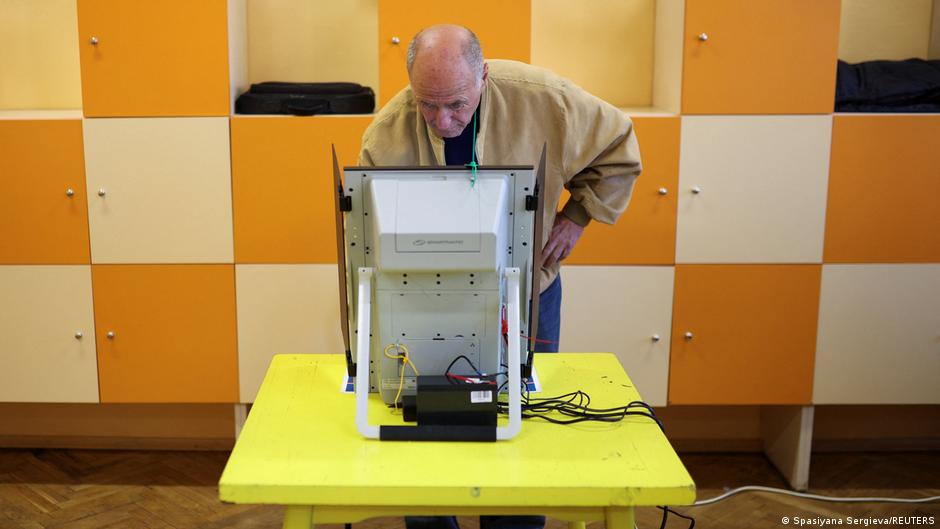
Bulgaria’s left-center coalition, led by ex-president Rumen Radev, leads elections amid anti-corruption protests, signaling potential economic shifts affecting households and investors.

Hungary's parliamentary elections ended with a sweeping win for Peter Madyar's party but were marred by fraud claims that may affect household finances and economic stability.