Ukraine Missile Delay Raises New Risks for European Household Finances
Zelensky’s claims of delayed US missile deliveries add uncertainty for European energy bills, currencies, savings and retail portfolios.

Zelensky’s claims of delayed US missile deliveries add uncertainty for European energy bills, currencies, savings and retail portfolios.

A reported US peace proposal involving renewed Russian gas supplies could affect European energy bills, inflation, currencies and household investments.

Palestinian elections were delayed to September 2027, extending political uncertainty with consequences for households, savings and investors.

A reported fire at a Ryazan industrial site housing a Yandex data center highlights cloud reliability risks for consumers and investors.

Reports from Irkutsk have drawn Trump and WHO attention, raising questions for consumers about possible energy, currency and market spillovers.

A voluntary Trump AI safety deal puts major tech firms in charge of safeguards, with implications for consumers, investors and future regulation.

Russia’s expanding ship registry could add uncertainty to energy markets, with possible effects on household fuel costs, inflation and investor risk.

Trump’s EU trade threat over Canada ties raises new risks for household budgets, import prices, currencies and everyday investors.

Ukraine’s parliament will review unpopular budget bills tied to billions in Western aid, with consequences for defense pay, families and savings.

Critical damage at Zaporizhstal raises risks for jobs, taxes, steel supply and household finances after a third Russian missile strike in a month.

A reported drone threat delayed Zelensky’s flight from Moldova, highlighting how regional security risks can affect travel, currencies and household costs.

A reported drone attack and fire at Novorossiysk’s port hub could add pressure to fuel, food and market risks watched by households and investors.

Russian strikes on Kyiv damaged homes, cars, garages and businesses, raising fresh financial pressure for households and local firms.

Ukraine’s anti-corruption agencies searched the prosecutor general’s office in a probe into alleged protection of scam call centers.

Meta’s $18B settlement over child safety mandates new age-verification tech with privacy risks, impacting household digital habits and platform trust.

The US-declared Hamas disarmament deal signals potential easing of Middle East tensions, likely impacting global currencies, commodity prices, and investment markets.

US lifts sanctions on Belarus-linked Bel-Kap-Steel amid prisoner releases, potentially easing economic pressure on households and stabilizing currency and investments.

Rheinmetall’s €5.7B arms deal with Romania, funded by the EU’s SAFE program, highlights defense spending’s broader impact on household budgets, currencies, and investors.

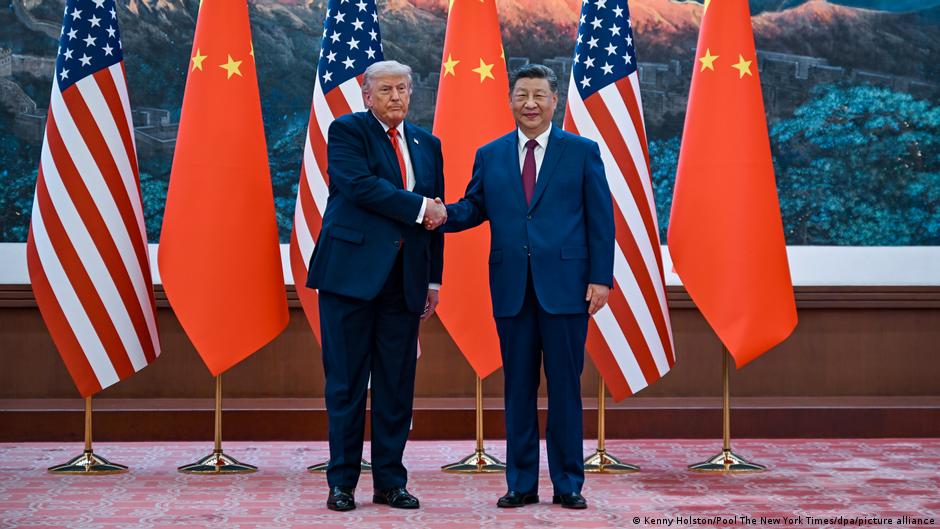
Trump's Beijing meeting with Xi Jinping signals potential easing of trade tensions and energy conflicts, with important effects on consumer prices and currency stability.

Russian intimidation of German defense firms involved in Ukraine arms supplies raises cyber and security risks, impacting investors, supply chains, and household finances.

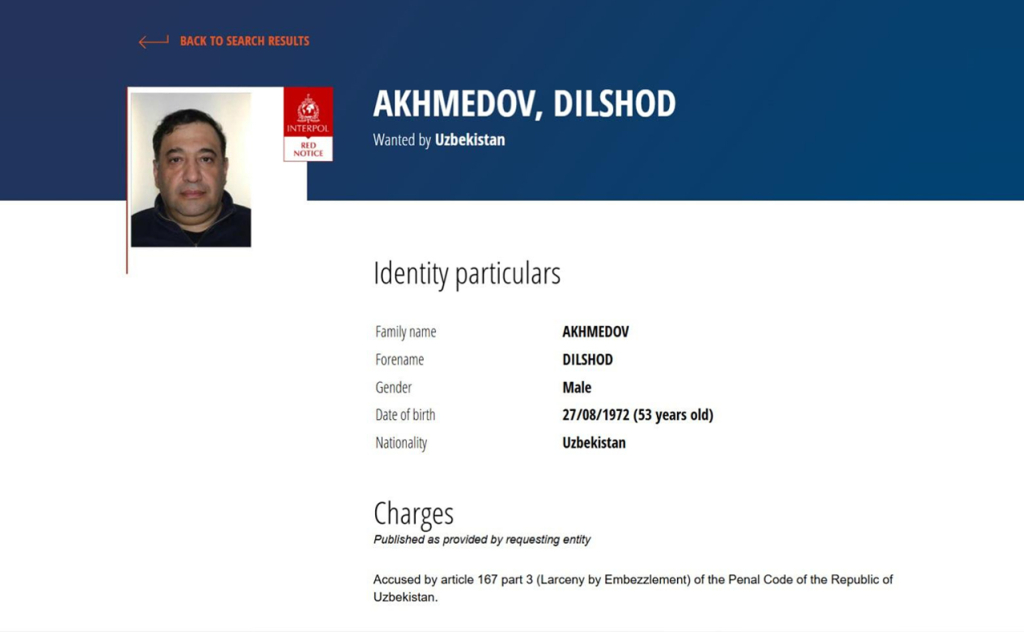
Dilshod Ahmedov, former head of O‘zmetkombinat, is internationally wanted for embezzlement, raising concerns about financial governance affecting household budgets and investors.