US Congress Approves $70 Billion for Immigration Services Funding Amid Controversy
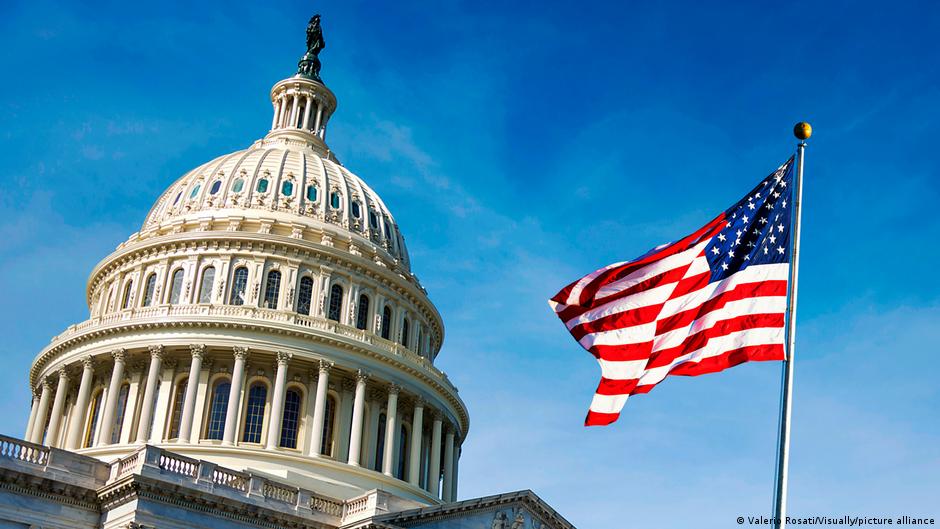
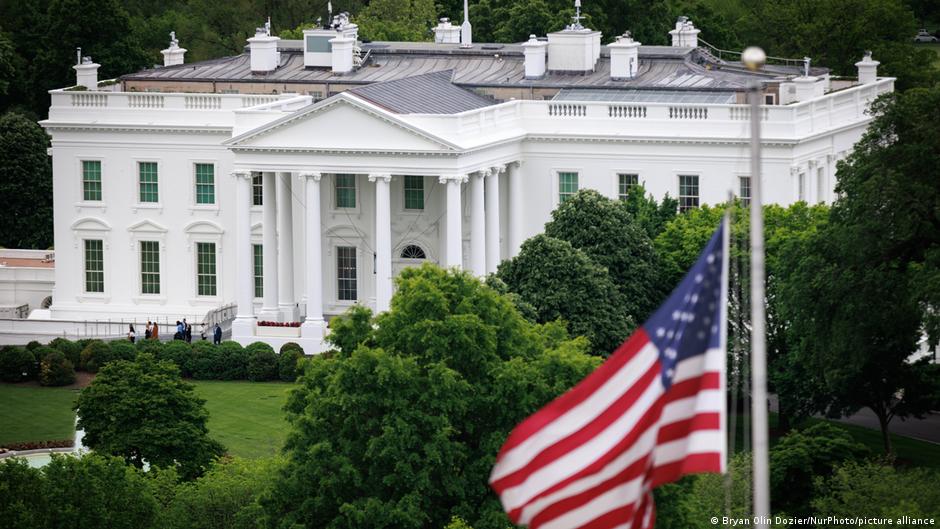
US Congress approved $70 billion for immigration enforcement, raising concerns about effects on household budgets, currency, and consumer finances.

US Congress approved $70 billion for immigration enforcement, raising concerns about effects on household budgets, currency, and consumer finances.

Denials of Chancellor Friedrich Merz’s early replacement ease political uncertainty, helping stabilize Germany’s economy and consumer confidence amid current challenges.

UN peacekeeping forces have dropped to their lowest in 25 years due to funding and geopolitical issues, affecting global stability and economic conditions.
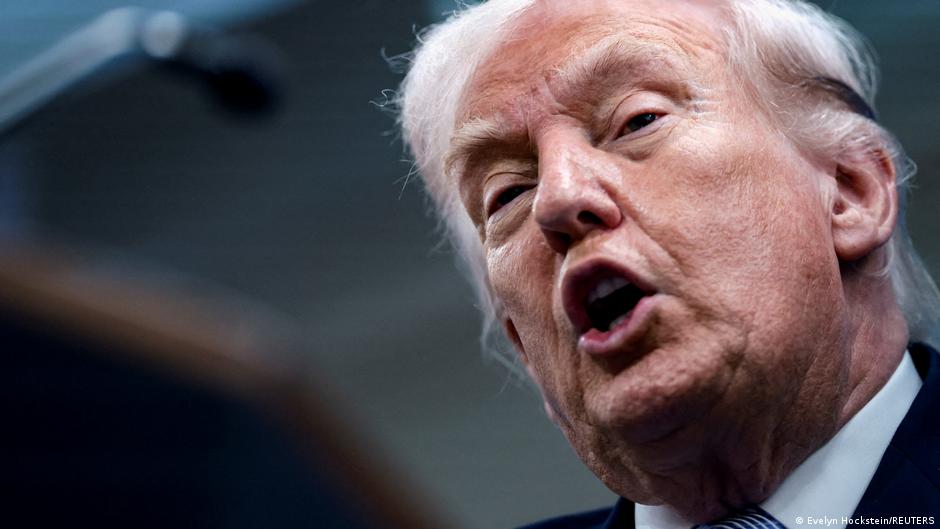
The US plans to deploy 5,000 additional troops to Poland amidst military realignments, impacting defense budgets, currency stability, and potentially household finances globally.

NATO confirms the steady supply of US air defense missiles to Ukraine, with implications for household budgets, government spending, and currency stability amid the ongoing conflict.

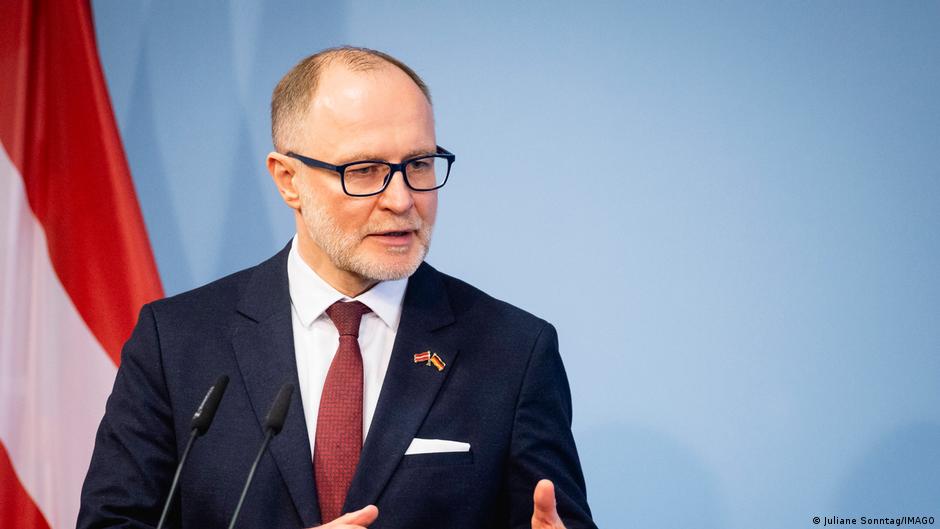
Latvia’s governing coalition collapses amid defense minister resignation, creating political and economic uncertainty that may impact household budgets, currencies, and investors.

Serbia hosts first joint NATO military exercises amid neutrality policy, with potential but limited impact on household finances and economic stability.

Uzbek banks saw a 30.88% rise in deposits in Q1 2026, with corporate and retail savings fueling growth and boosting confidence in the financial sector.

The US plans major cuts to its troops in Germany, affecting local economies, currency markets, and potentially household finances and investments.

US delays in arms shipments to Europe due to Iran conflict strain defense budgets, impacting household finances, currency stability, and investor confidence across allied nations.

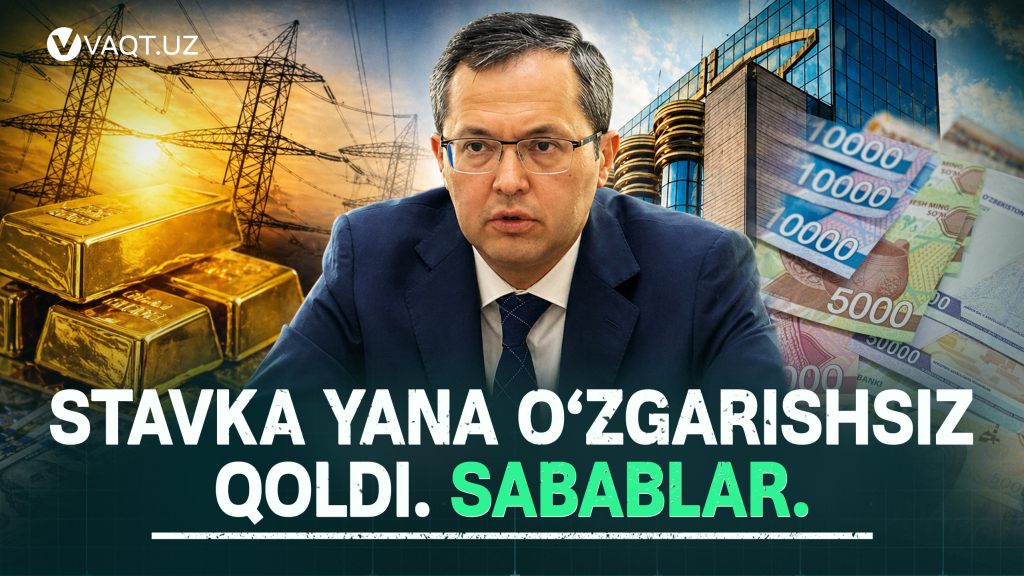
The Central Bank keeps interest rates at 14% due to persistent food price inflation and external risks, impacting household budgets and savings strategies.

Alexander Eichwald was expelled from Germany's AfD party for a speech mimicking Hitler, raising concerns about political stability and its effects on household finances and currency markets.