Germany Announces Record NATO Defense Spending, Impacting Household Budgets and Economy
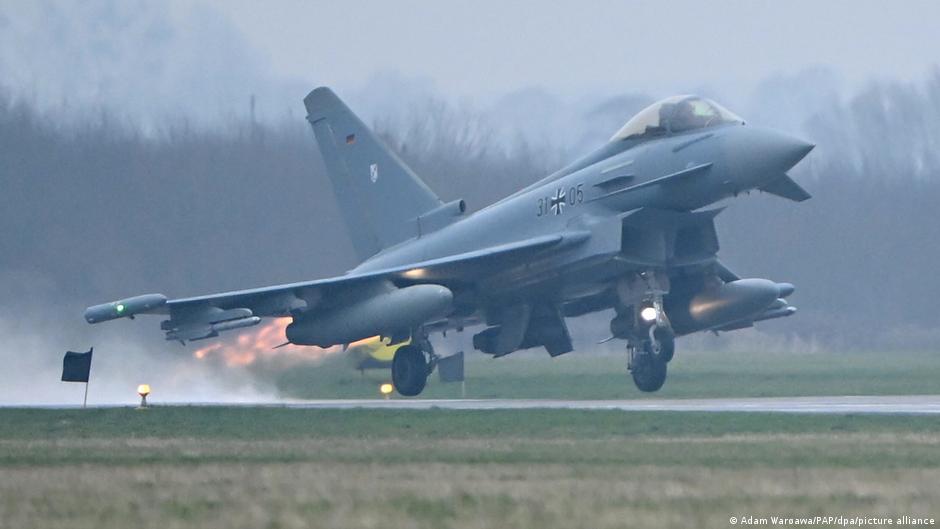
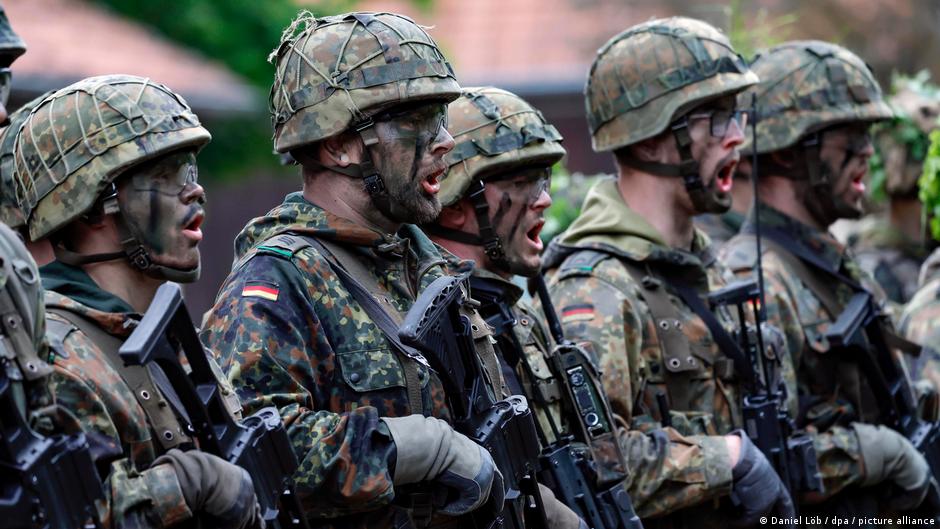
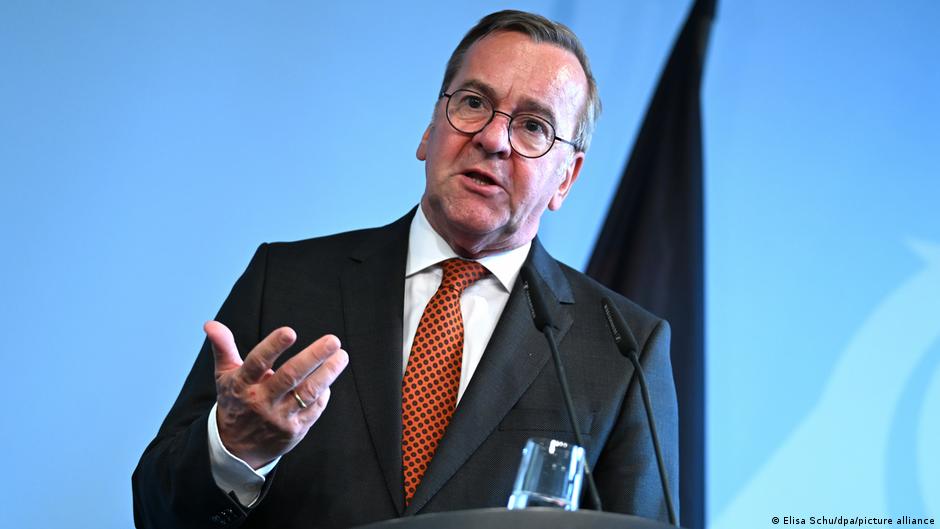
Germany plans a 25.5% defense budget increase for 2026, raising concerns over impacts on household finances, public debt, and investor markets.

Germany plans a 25.5% defense budget increase for 2026, raising concerns over impacts on household finances, public debt, and investor markets.

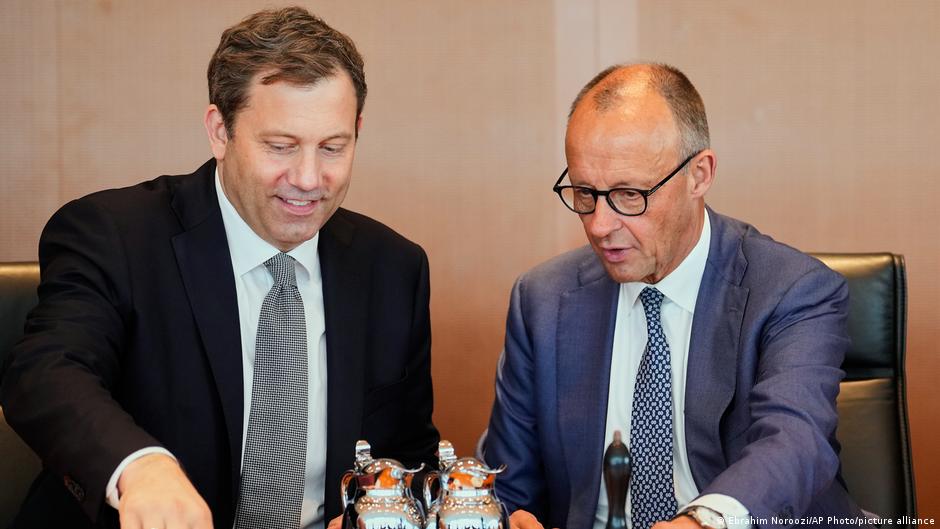
Germany plans a 6% increase in spending and higher borrowing in its 2027 budget, with defense costs rising sharply, raising concerns for household finances and economic growth.
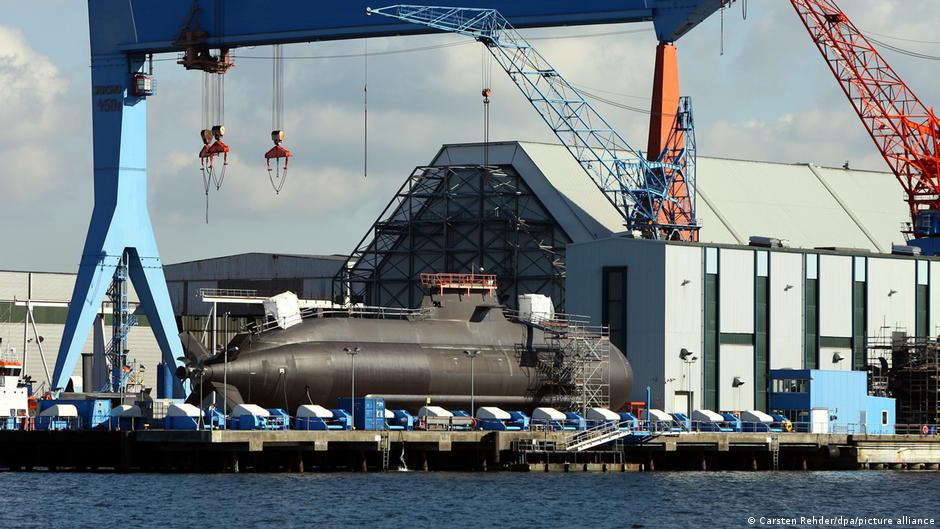
Canada's selection of German TKMS for submarine procurement signals deepening transatlantic ties, with wide-ranging effects on currencies, government budgets, and investors.

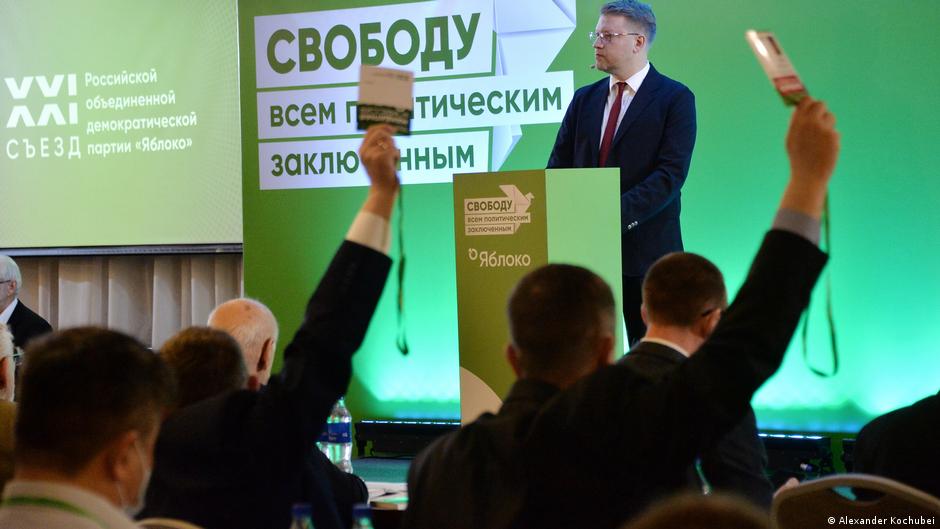
German authorities grant asylum to Russian activist Ilya Shkolny after a lengthy legal fight, underscoring the financial and social impacts of geopolitical instability on households and investors.

The US has imposed new sanctions on five Cuban state firms controlling 40% of GDP, impacting trade, investments, and household economies amid escalating tensions.

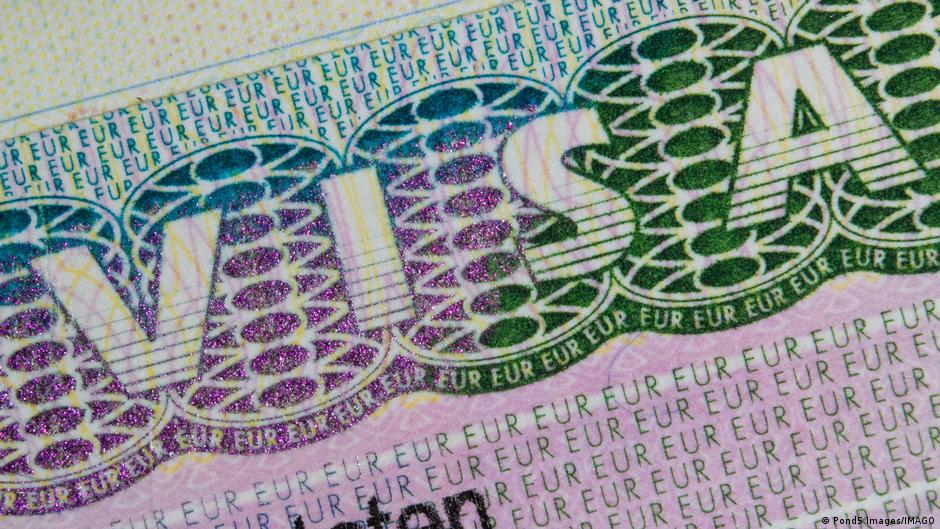
Belgium granted one-day visas to five Taliban representatives for EU talks on Afghan deportations, highlighting migration policy impacts on households and financial stability.

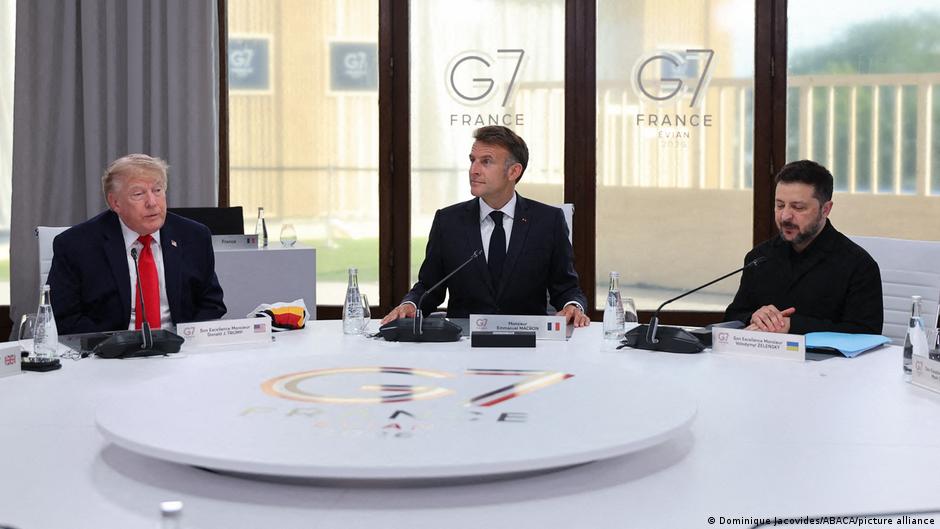
G7 countries announced new sanctions on Russian oil and gas, increased arms aid to Ukraine, raising concerns over rising energy prices and household budget impacts.

Germany commits an extra €300 million to Ukraine ammunition supplies, raising concerns about European fiscal pressures affecting household budgets and consumer finances.

Paxtakor football club faced over 50 billion UZS loss in 2025, with growing tax debts and reduced state funding, impacting public budgets and future of sports financing.

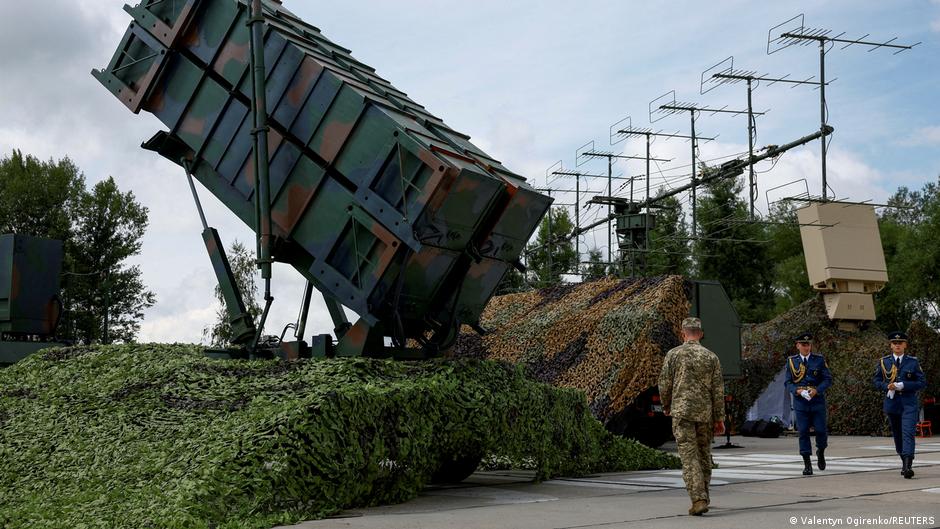
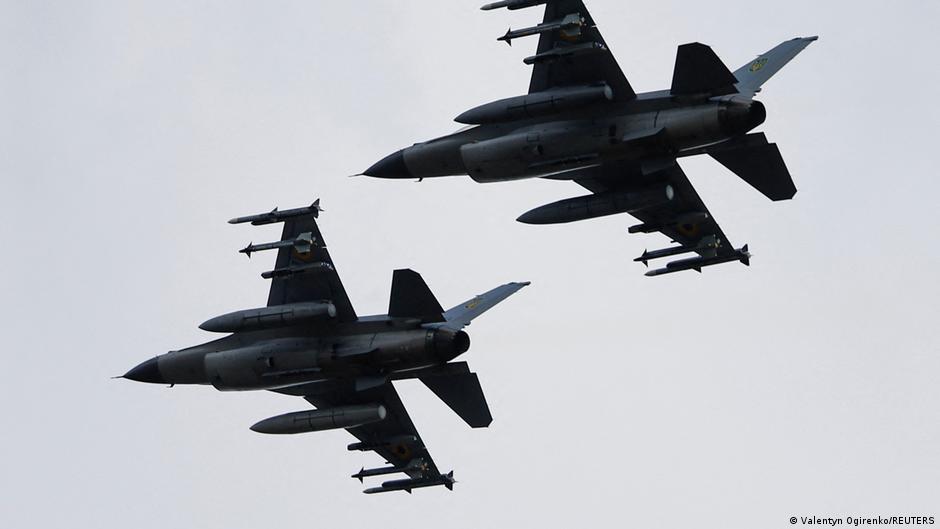
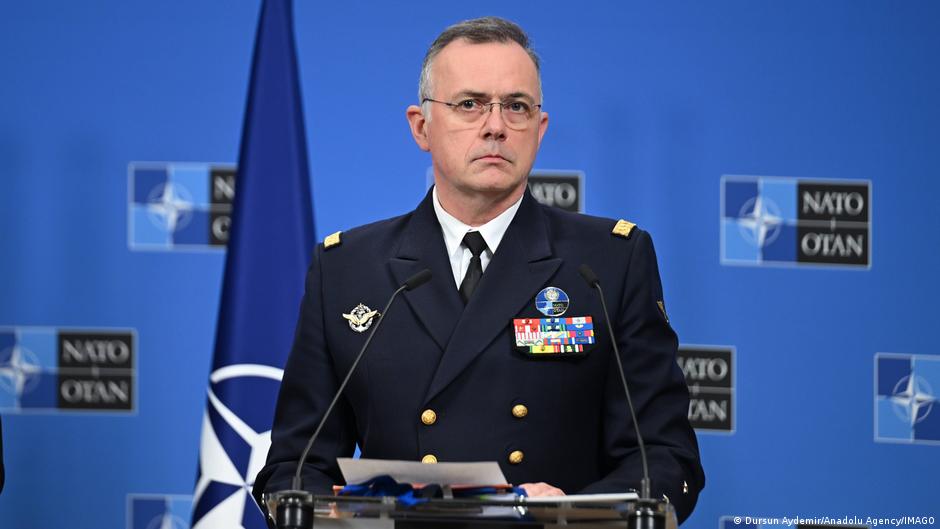
NATO confirms the steady supply of US air defense missiles to Ukraine, with implications for household budgets, government spending, and currency stability amid the ongoing conflict.

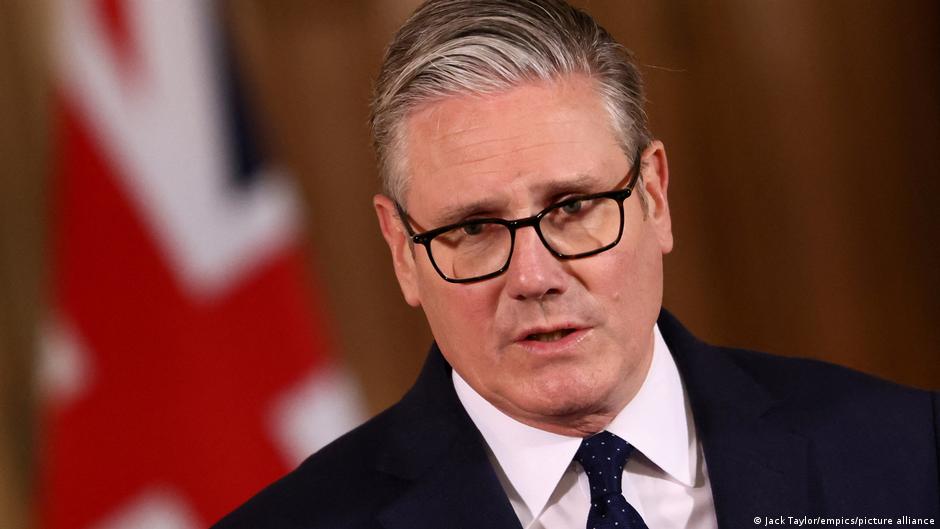
The UK plans to raise defense spending by £18 billion, a move that could reshape government budgets and impact household finances amid political unrest.

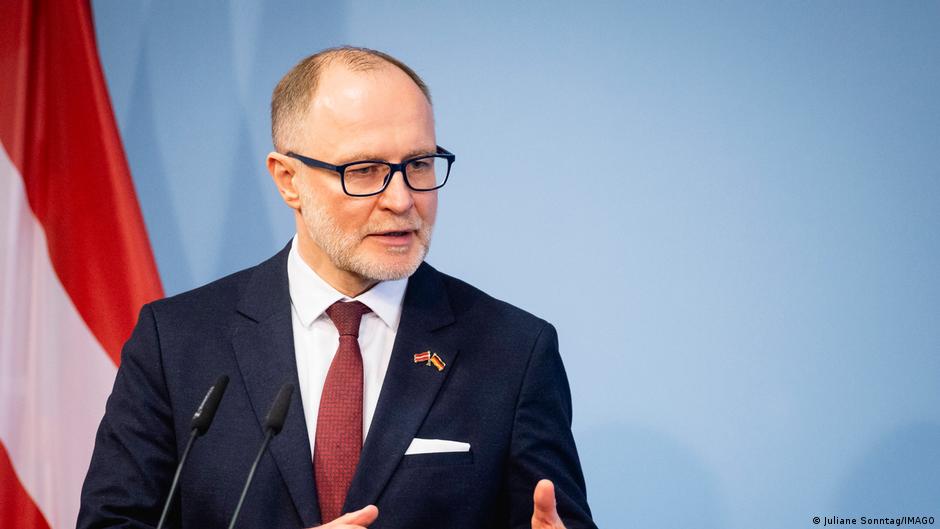
Latvia’s governing coalition collapses amid defense minister resignation, creating political and economic uncertainty that may impact household budgets, currencies, and investors.

Poland's €44 billion EU loan for defense modernization raises concerns over long-term public debt and impacts on household finances and economic stability.

Jean-Luc Mélenchon confirms 2027 presidential run, raising questions about economic policies that could affect French household budgets and market stability.

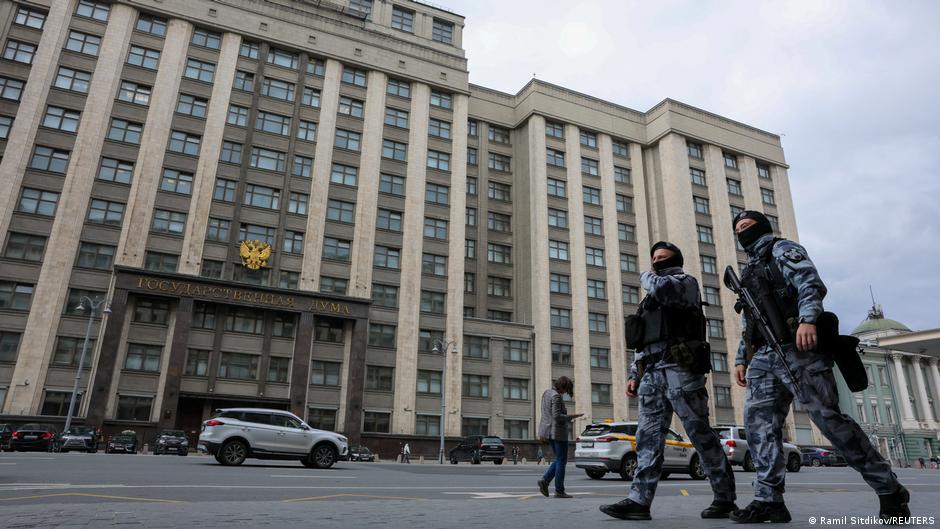
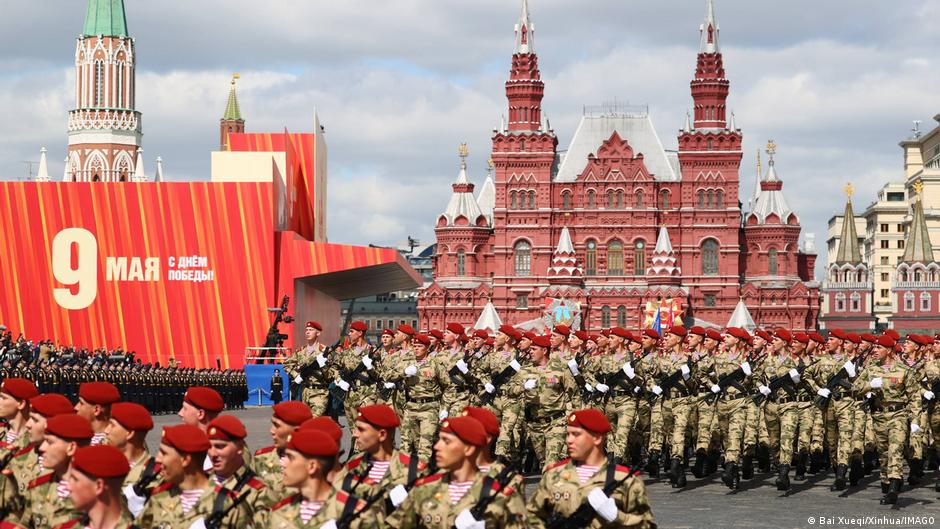
The 2026 Moscow Victory Day parade excludes military vehicles due to security concerns, signaling economic and social impacts on households and consumers across Russia.

Bulgaria’s left-center coalition, led by ex-president Rumen Radev, leads elections amid anti-corruption protests, signaling potential economic shifts affecting households and investors.

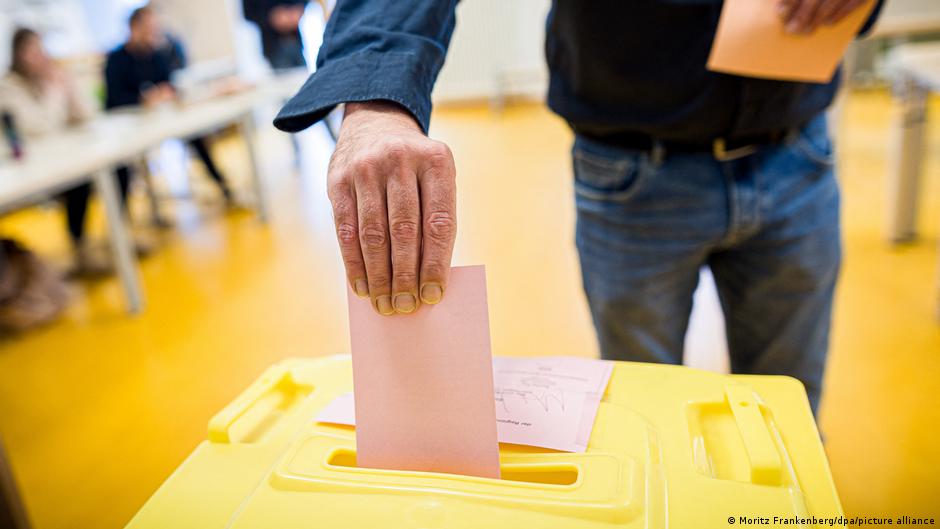
Hungary's parliamentary elections ended with a sweeping win for Peter Madyar's party but were marred by fraud claims that may affect household finances and economic stability.