Business
EU to Fund Ukraine Drone and Missile Purchases as Budget Talks Loom
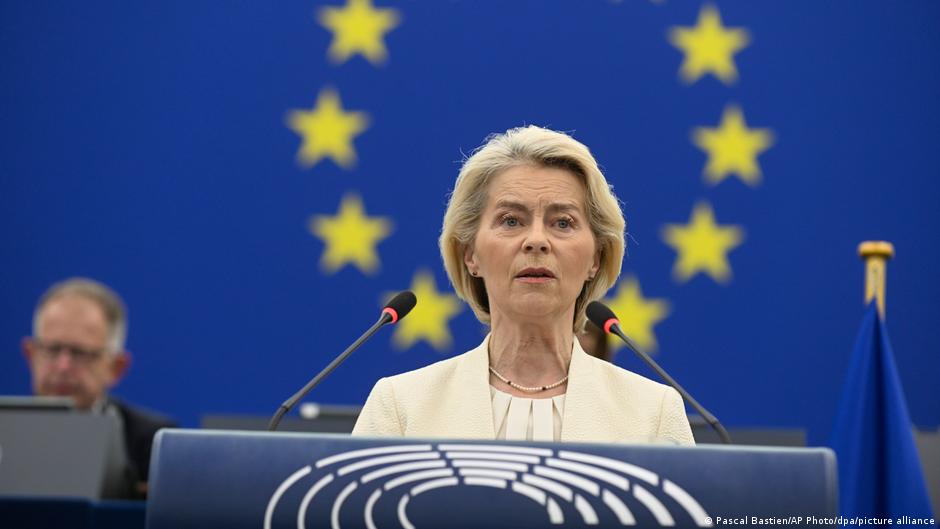
The EU plans new funding for Ukraine’s drone and missile purchases as leaders weigh broader financing needs and budget pressures.
Editorial Team·
·4 min
The EU plans new funding for Ukraine’s drone and missile purchases as leaders weigh broader financing needs and budget pressures.

A U.S. strike disabled a cargo ship near Iran, while a tanker was hit in Hormuz, raising fresh concerns over fuel costs and household budgets.

Western plans to relocate embassies from Kyiv highlight rising winter risks for households, currencies, energy costs and investors.
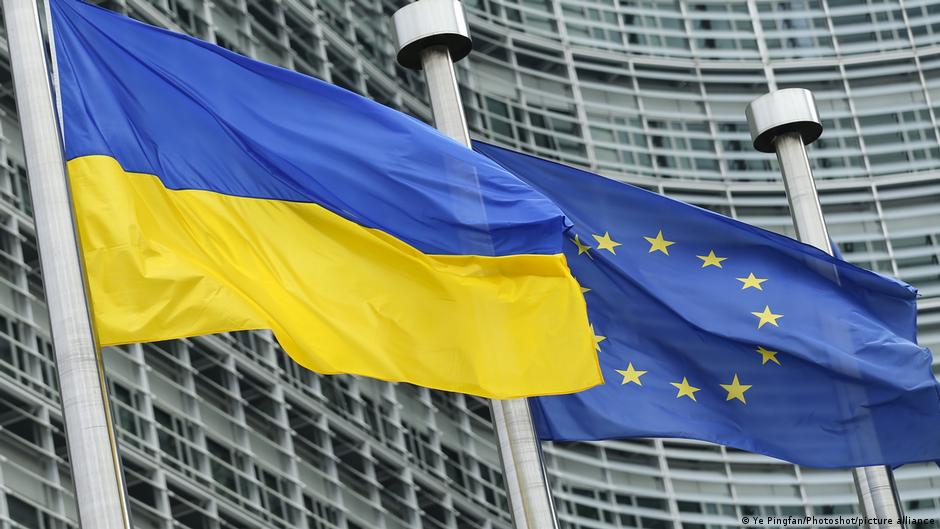
The EU refused to advance part of a €90 billion Ukraine loan, keeping pressure on 2027 funding plans and European budgets.

The EU’s new €710 million aid package targets crises abroad, with indirect implications for public budgets, currencies and household finances.
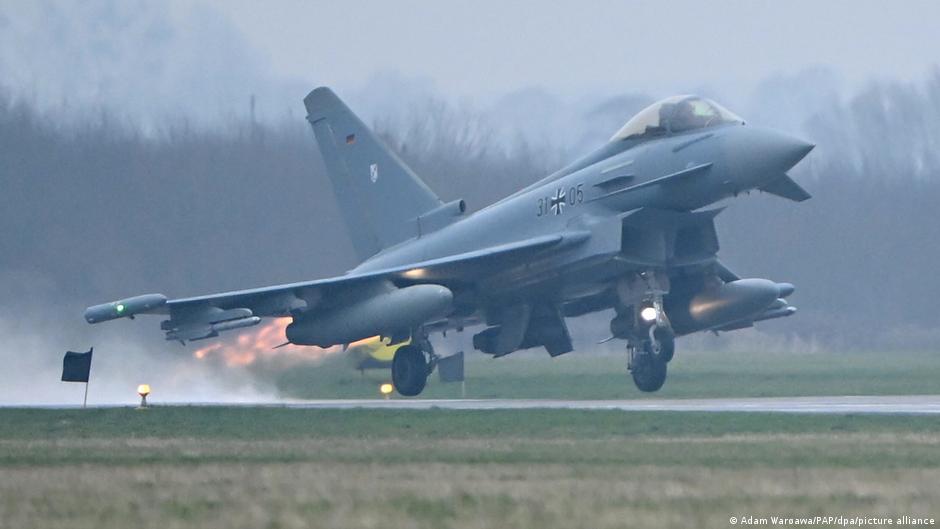
Germany’s Eurofighter deployment to Latvia highlights how Baltic security risks can affect budgets, savings and investor confidence.
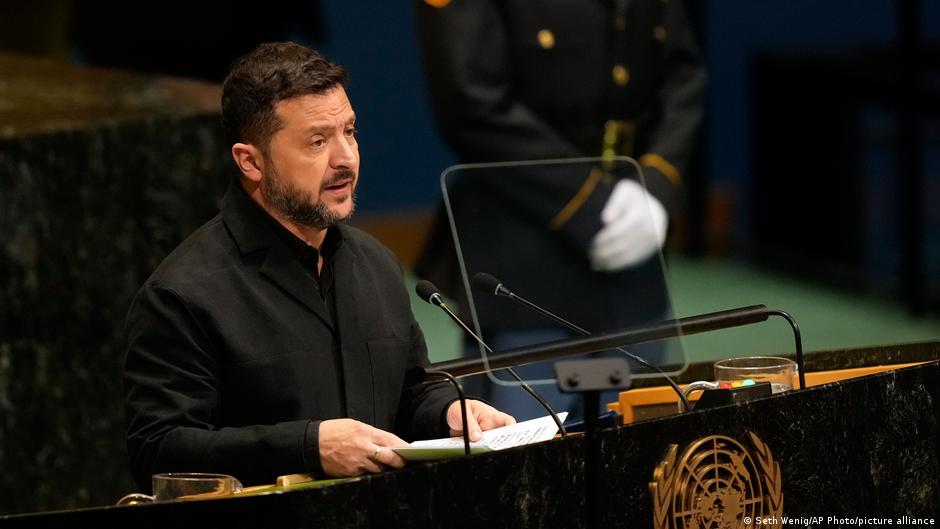
Zelensky’s UN speech tied Russia’s war capacity to energy risks, winter heating pressure and the market uncertainty facing households and investors.

EU ambassadors face a sanctions deadline as disputes over Russian billionaires add uncertainty for markets, currencies and household budgets.
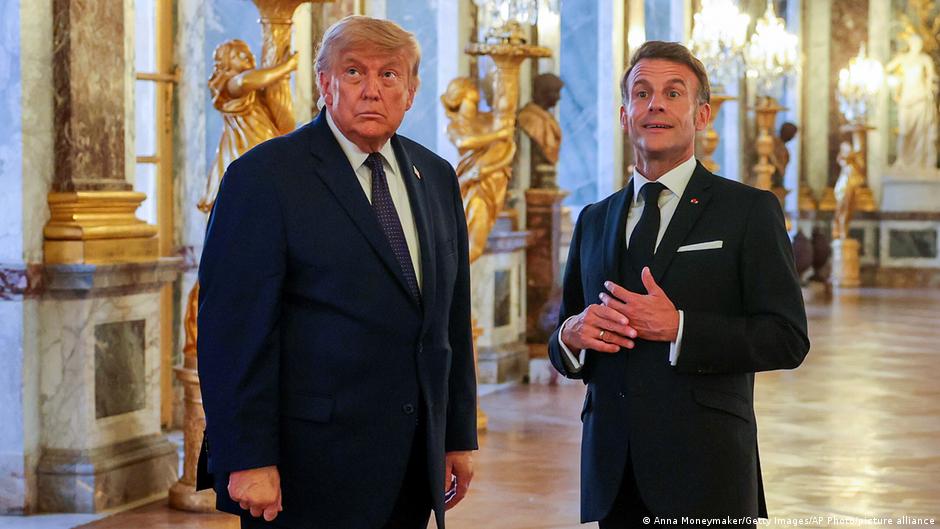
Macron and Trump discussed protecting Ukraine’s energy and civilian infrastructure, a move with implications for household costs and markets.
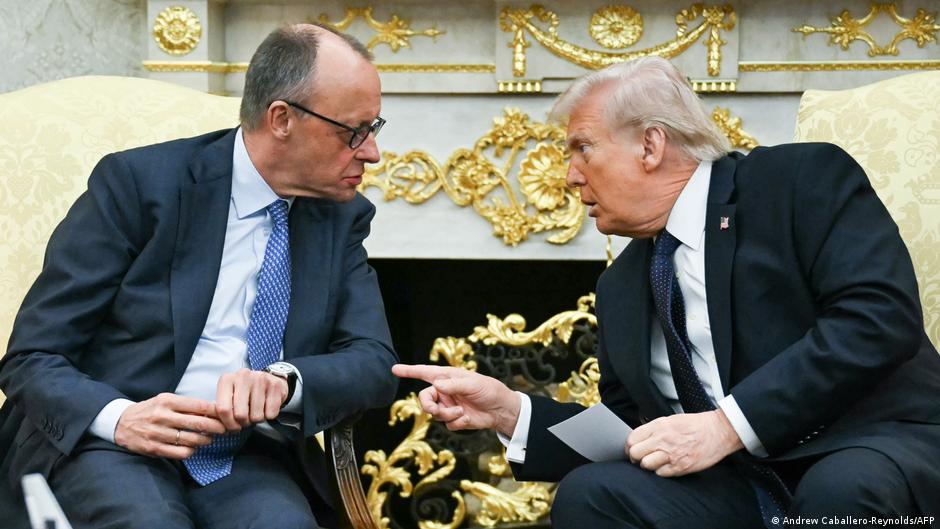
Merz says the old U.S.-German alliance may be over, raising questions for prices, defense spending, currencies and everyday investors.
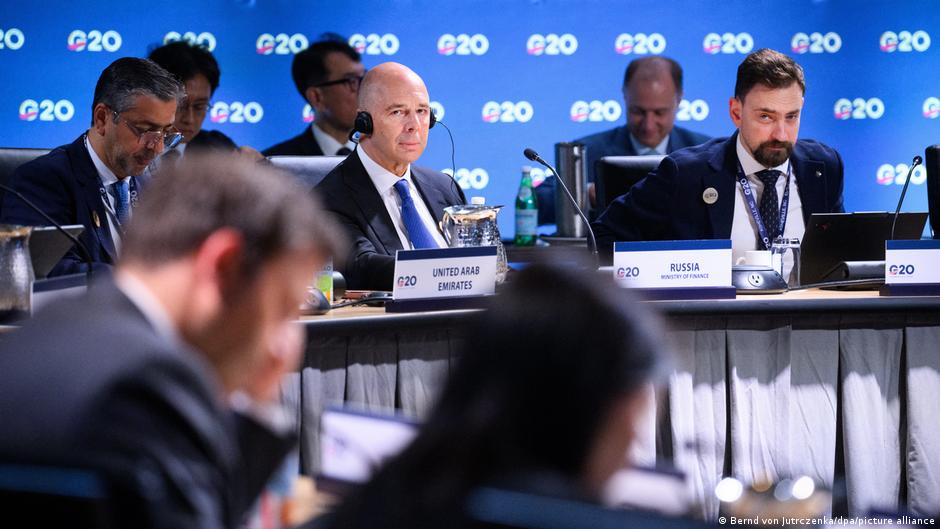
Russia is expected to attend G20 energy talks in Houston as energy security risks continue to shape fuel costs, inflation and investor sentiment.

Zelensky expects U.S. talks by late September on food and energy security, issues tied to household bills, inflation and market risk.
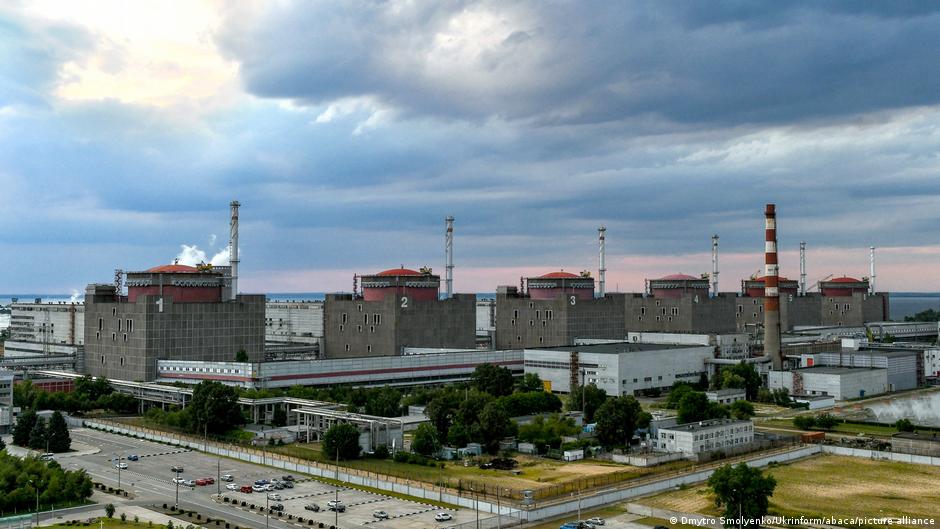
The Zaporizhzhia Nuclear Plant’s repeated power outages threaten regional energy stability, pushing up costs and straining household budgets amid ongoing conflict.
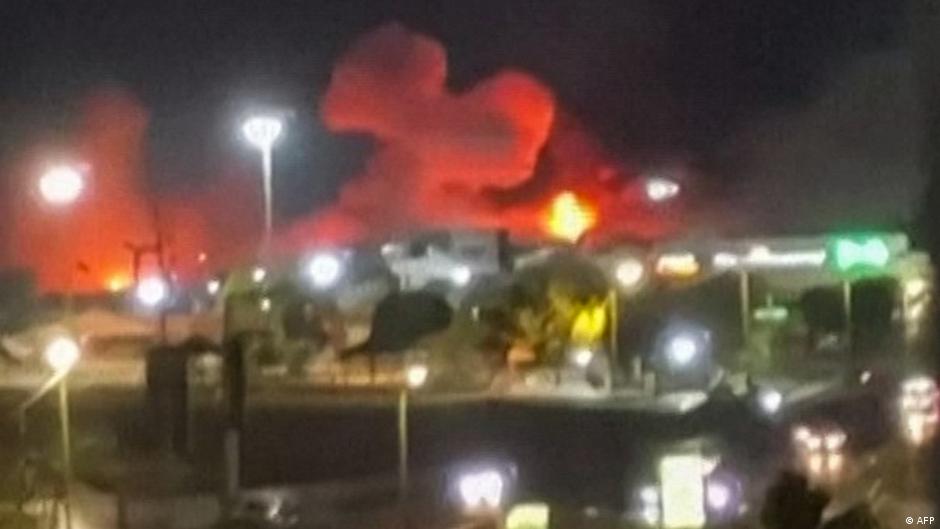
US military strikes on Iran near the Strait of Hormuz risk disrupting oil supplies, driving up energy prices, and straining household budgets and investments globally.
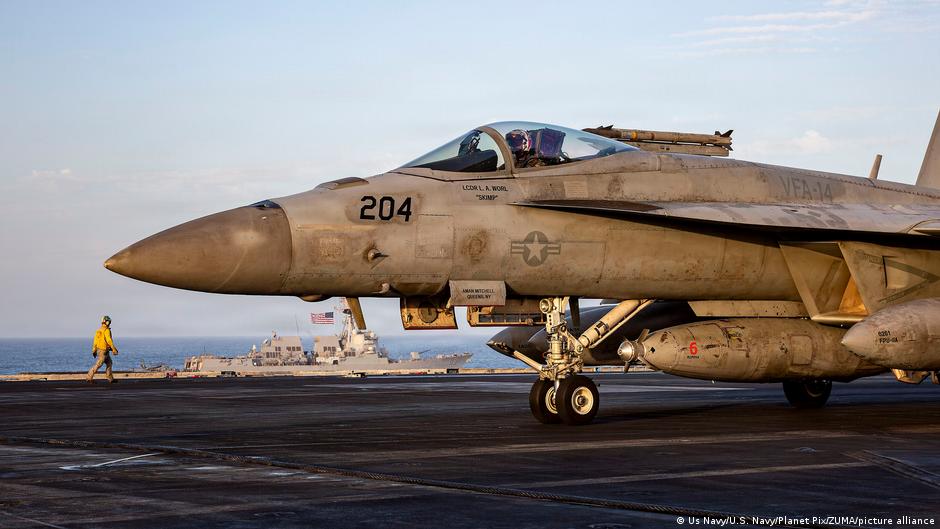
US strikes on Iranian military targets follow drone attacks on oil tankers near the Strait of Hormuz, risking higher energy prices and economic uncertainty for consumers worldwide.

Germany urges Turkey to exclude Russian gas from future EU contracts, affecting energy prices, household budgets, and currency markets amid evolving geopolitics.

Russian missile attacks on Kyiv following G7 aid pledges disrupt energy supplies and increase economic uncertainty for Ukrainian households and investors.

G7 countries announced new sanctions on Russian oil and gas, increased arms aid to Ukraine, raising concerns over rising energy prices and household budget impacts.
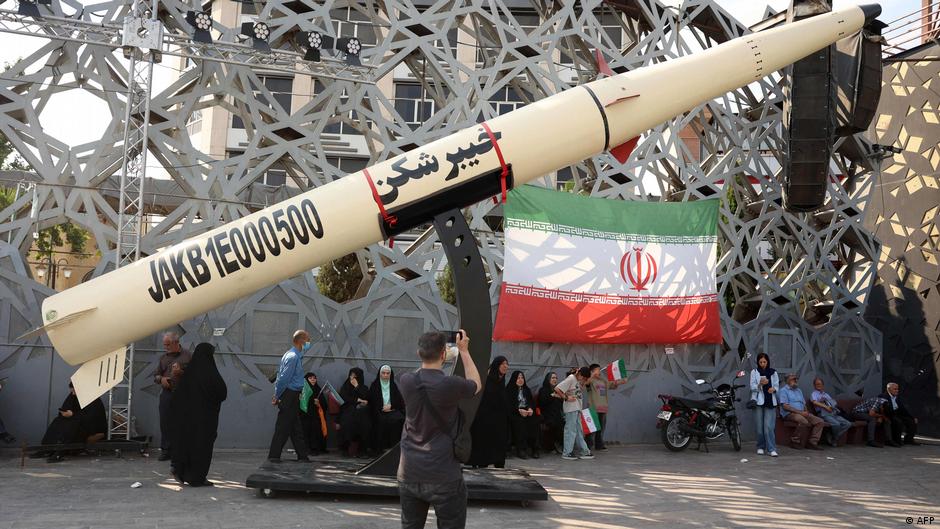
Iran has rebuilt most of its missile arsenal, possibly with Russian help, impacting global energy routes and driving up fuel costs affecting household budgets and investors worldwide.

US-Iran drone strikes near the Strait of Hormuz threaten energy supply routes, potentially driving up global oil prices and impacting household budgets worldwide.
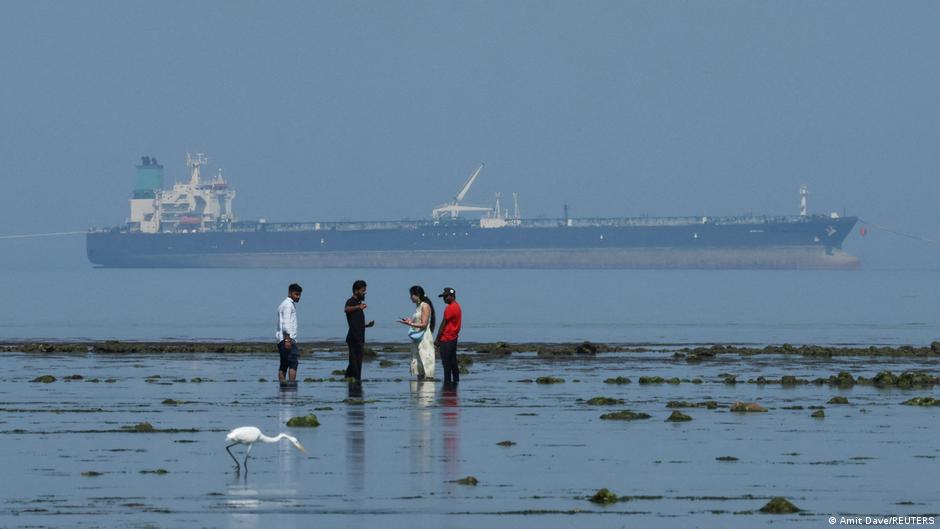
The UK government has authorized indefinite imports of diesel and kerosene refined from Russian crude via third countries to ease rising fuel prices impacting households.
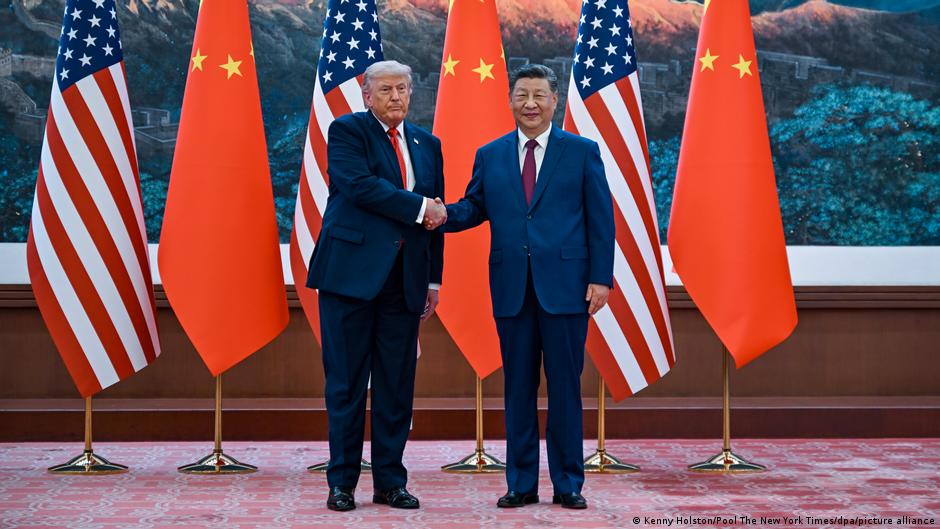
Trump's Beijing meeting with Xi Jinping signals potential easing of trade tensions and energy conflicts, with important effects on consumer prices and currency stability.
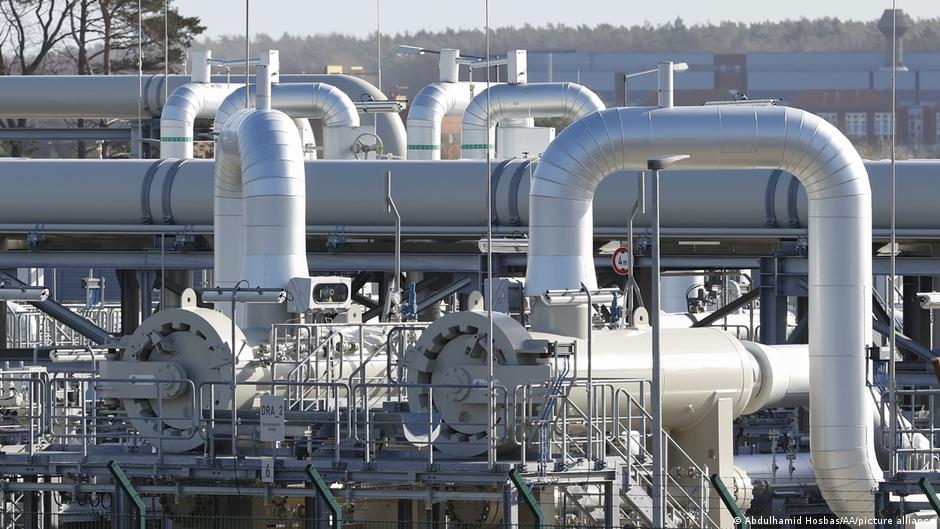
Germany transfers an 84 MW gas power plant from the Nord Stream pipeline to Ukraine, impacting energy infrastructure and household energy costs amid ongoing conflict.
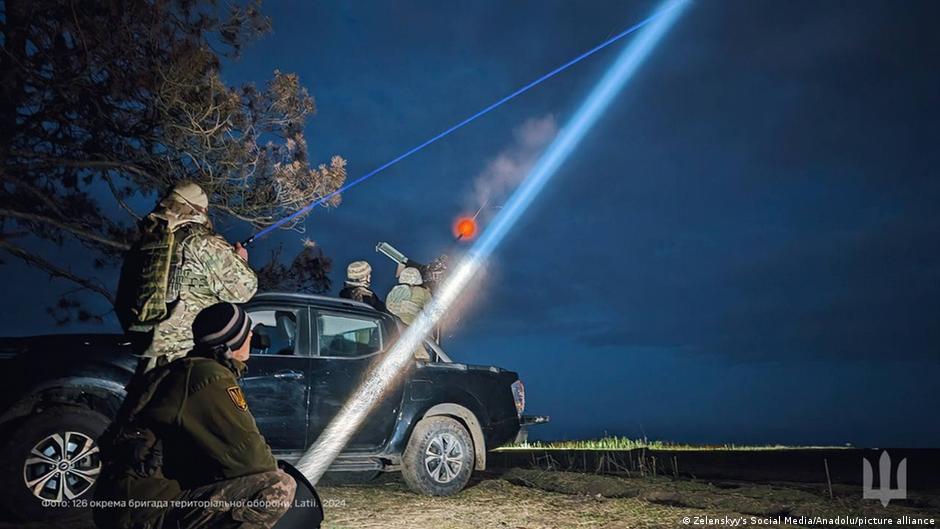
Renewed Russian drone attacks in Ukraine disrupt energy infrastructure and civilian areas, raising concerns about rising utility costs and economic stability for households and investors.
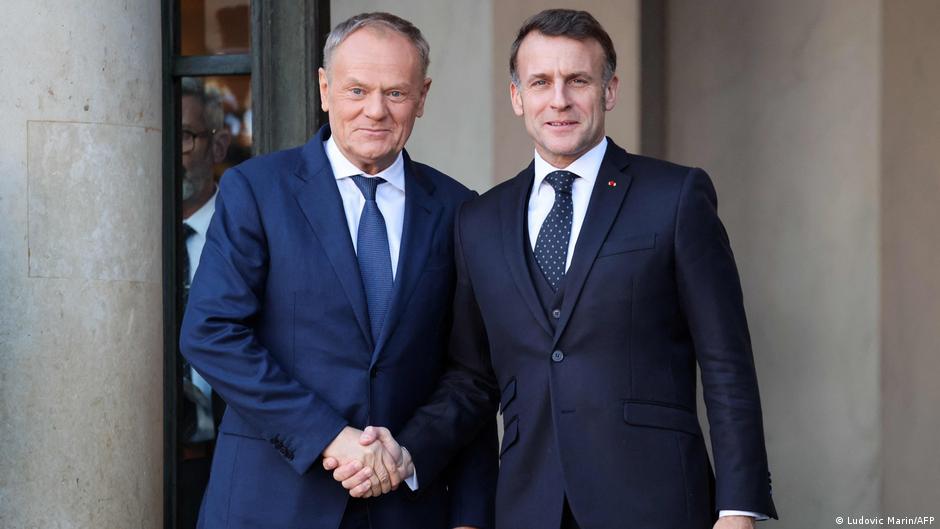
Poland and France are jointly developing a military satellite to secure Poland’s defense communications, reflecting broader trends in European defense spending and technology investments.
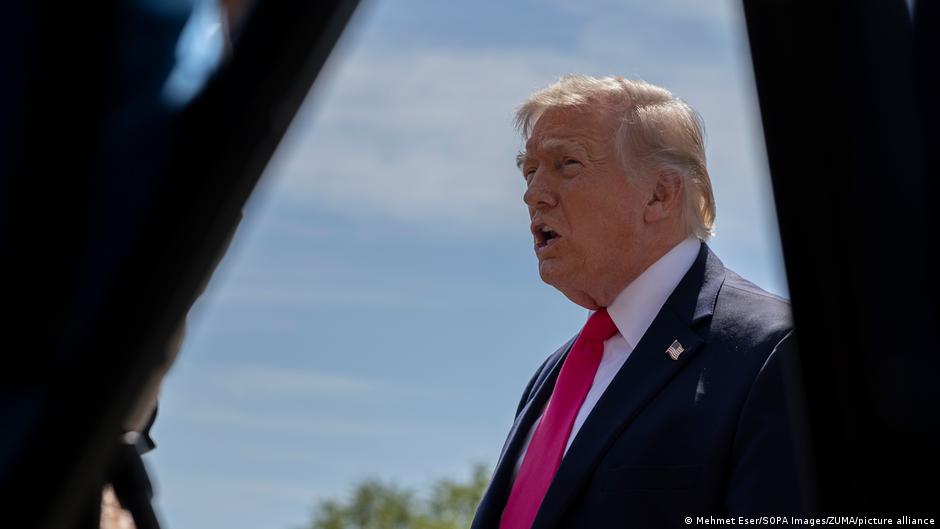
Trump rejects NATO assistance in Strait of Hormuz amid rising tensions, risking higher energy prices and market volatility affecting consumers and investors.
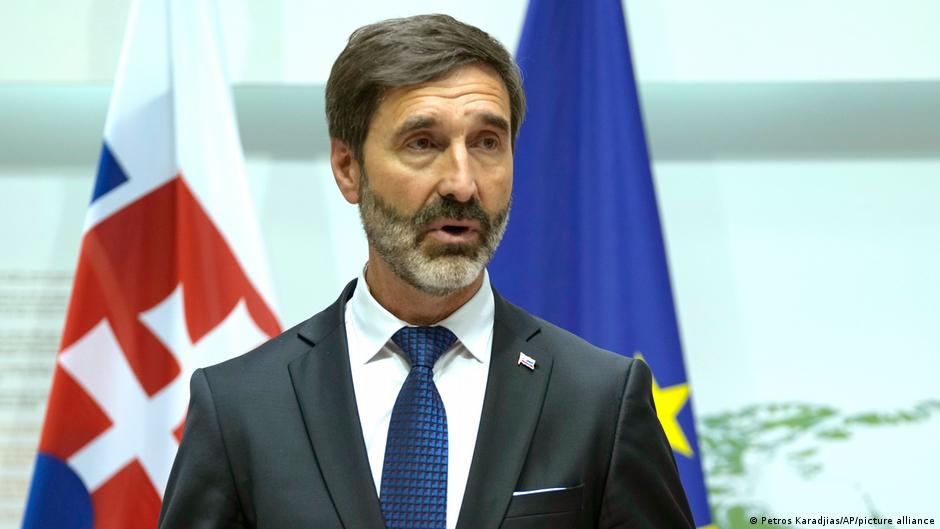
Slovakia will block the EU's 20th sanctions package against Russia until oil supplies resume via the Druzhba pipeline, impacting energy costs and household budgets.