EU Adds €710 Million in Aid as Crises Put Pressure on Household Finances
The EU’s new €710 million aid package targets crises abroad, with indirect implications for public budgets, currencies and household finances.

The EU’s new €710 million aid package targets crises abroad, with indirect implications for public budgets, currencies and household finances.

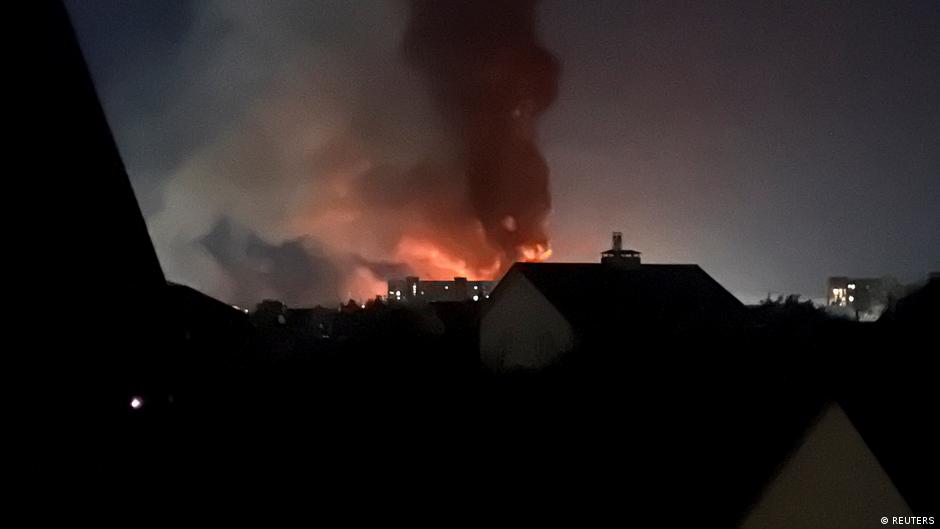
Russian drone attacks killed at least three civilians in Zaporizhzhia and hit Odesa infrastructure, adding pressure on household finances.

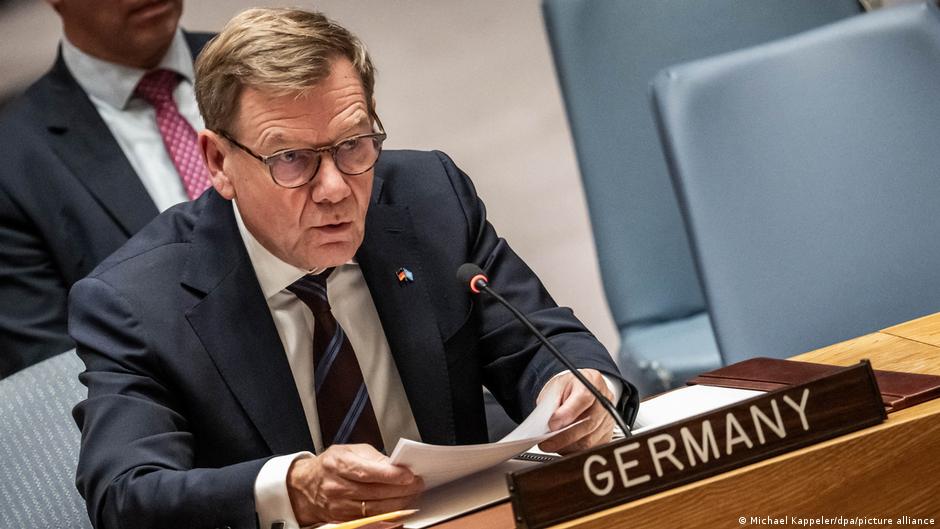
Germany says Putin’s possible G20 attendance should be judged by whether Moscow accepts a ceasefire, with sanctions and market risk in focus.

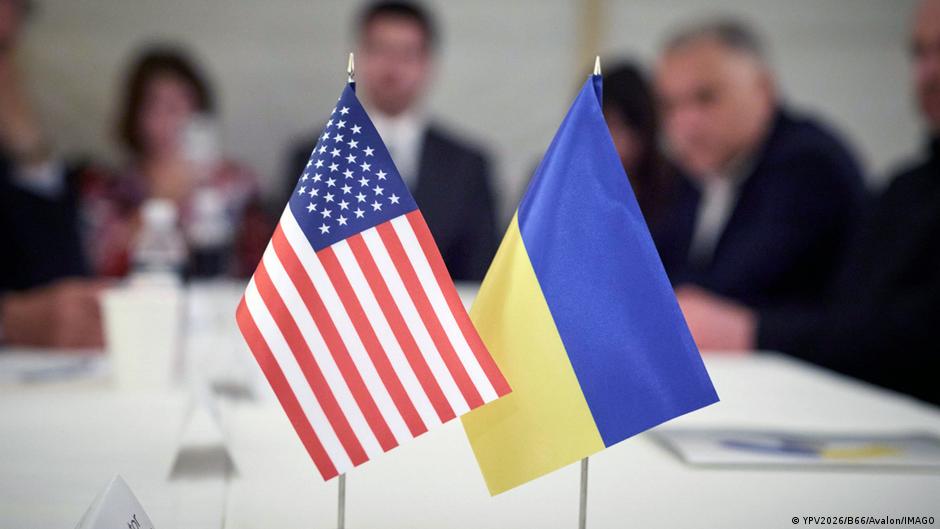
Kyiv denied a report that Trump urged Zelensky to meet Putin in Moscow as energy talks and diesel prices keep the war tied to household costs.

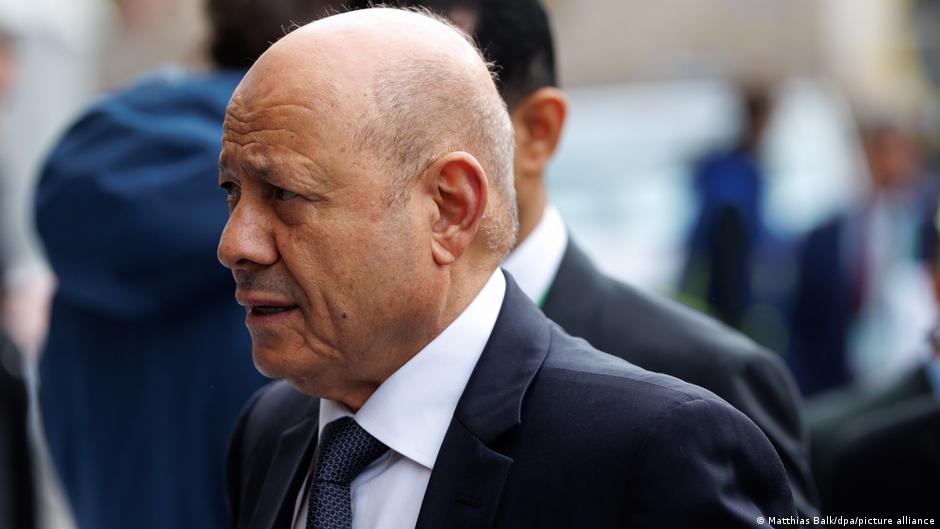
Yemen’s mobilization call comes as Houthi advances threaten key waterways, oil exports and energy costs that can hit household budgets.

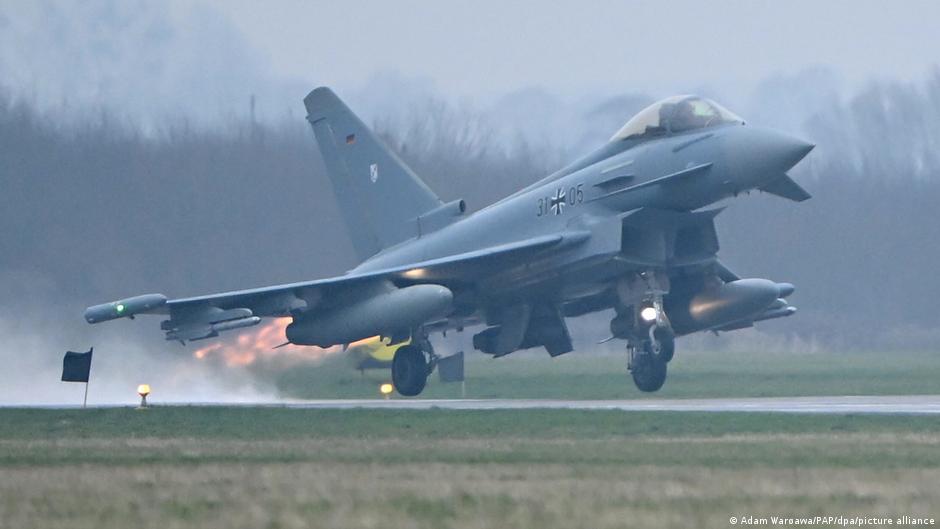
Germany’s Eurofighter deployment to Latvia highlights how Baltic security risks can affect budgets, savings and investor confidence.

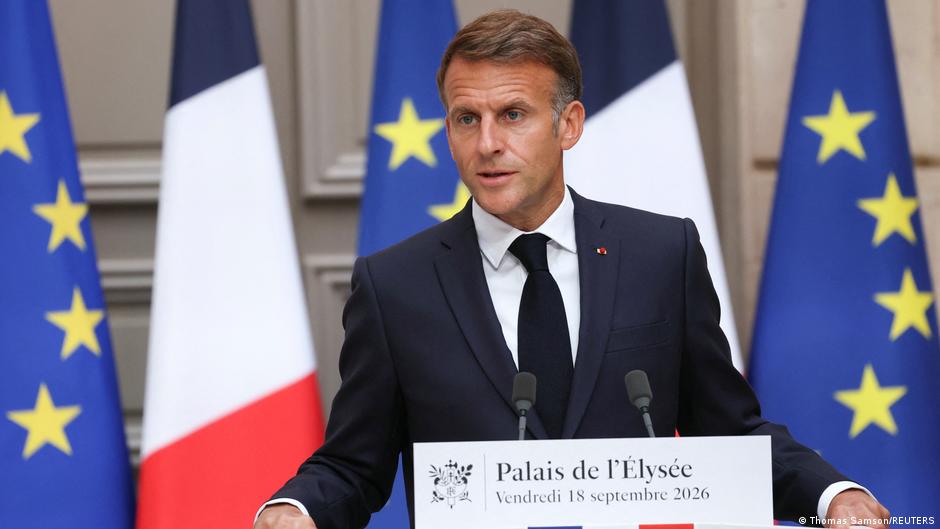
Macron says France sees a Russian mobilization of around 300,000 people as credible, raising risks for European budgets, markets and consumers.

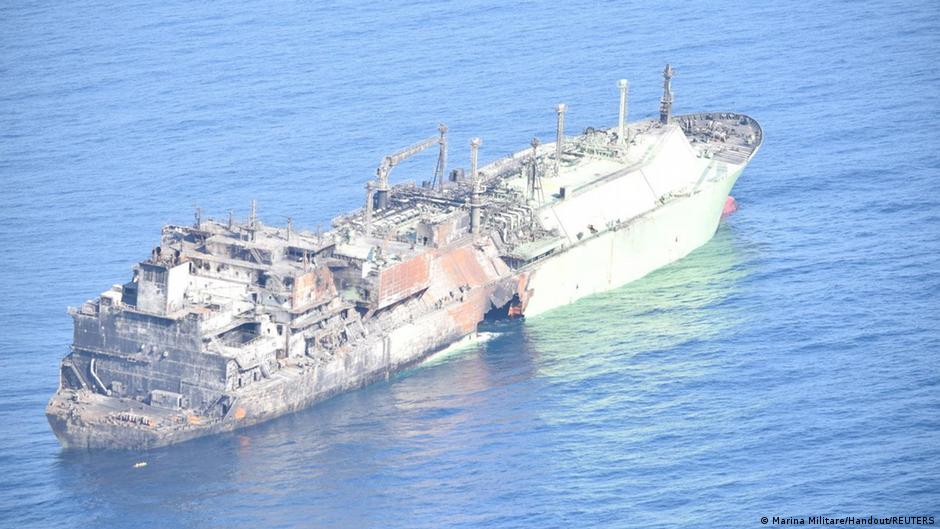
Russia’s expanding ship registry could add uncertainty to energy markets, with possible effects on household fuel costs, inflation and investor risk.

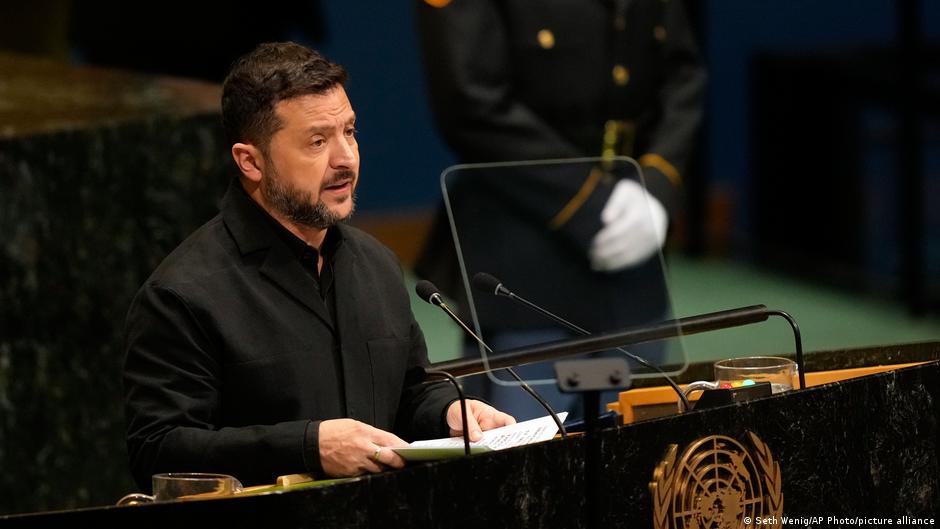
Zelensky’s UN speech tied Russia’s war capacity to energy risks, winter heating pressure and the market uncertainty facing households and investors.

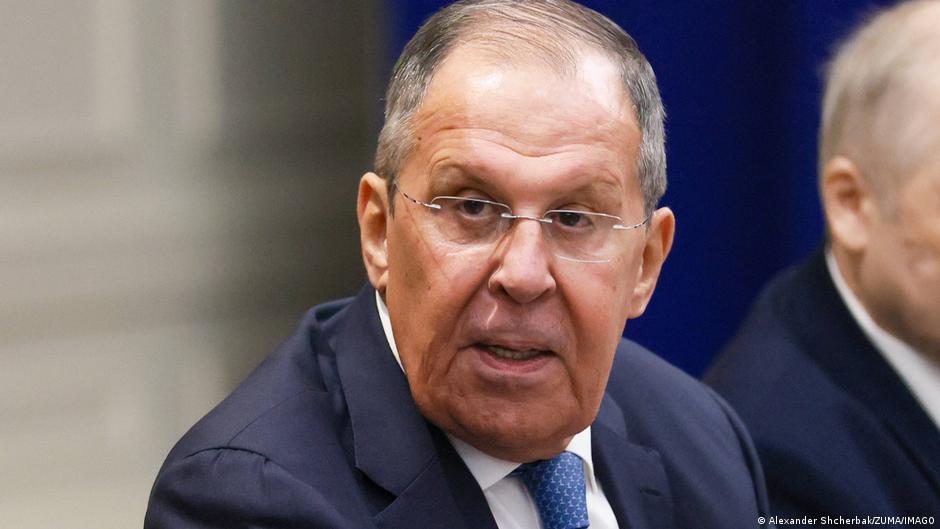
Lavrov ruled out a pause for Ukraine talks, keeping war-related uncertainty in focus for consumers, currencies and everyday investors.

Kyiv officials reported two deaths, six injuries and damage near medical and residential sites, raising new pressure on household budgets.

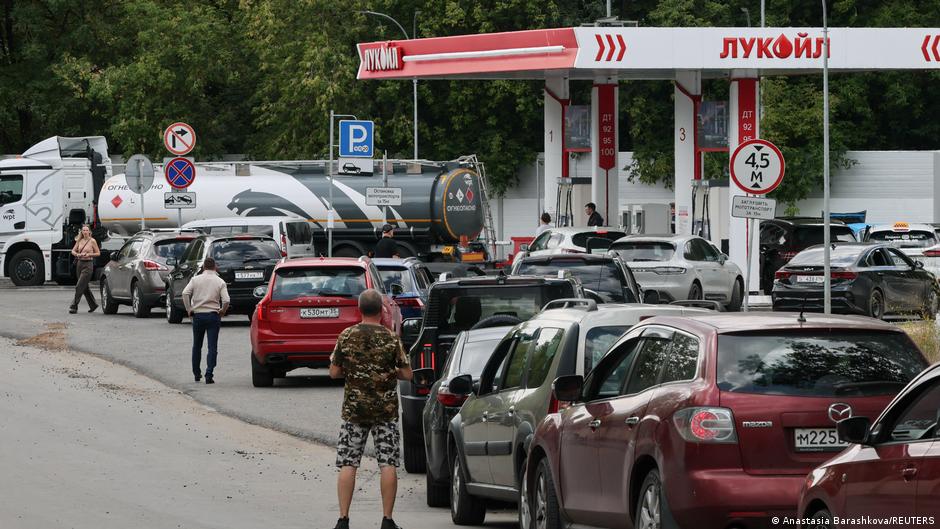
Kaluga and Zabaykalsky Krai are limiting gasoline sales again as refinery disruptions renew pressure on drivers and local budgets.