Germany’s Long-Term Welfare Rolls Raise Budget Questions for Households
Germany’s long-term Bürgergeld rolls are fueling debate over taxes, work incentives and the pressure welfare spending places on household budgets.

Germany’s long-term Bürgergeld rolls are fueling debate over taxes, work incentives and the pressure welfare spending places on household budgets.

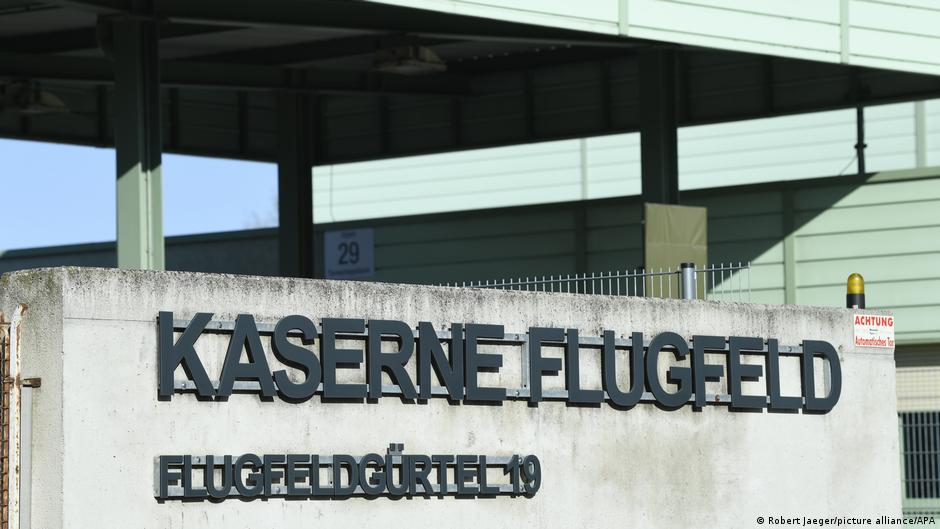
Military service objections in Germany have more than tripled from last year’s total, adding uncertainty for families and young workers.

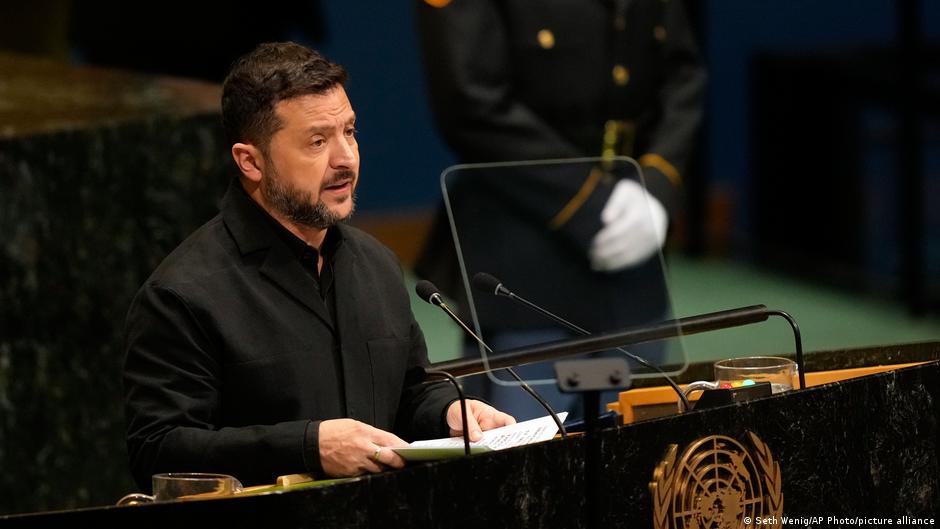
Zelensky’s UN speech tied Russia’s war capacity to energy risks, winter heating pressure and the market uncertainty facing households and investors.

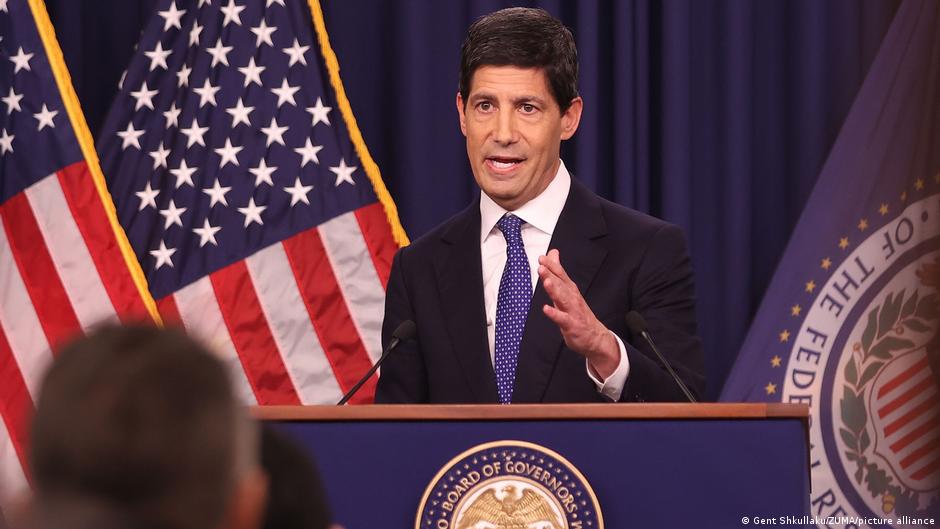
The Fed lifted rates to 3.75-4%, raising borrowing pressure for households while potentially improving returns for savers.

Putin backed using medically unfit volunteers for rear-area drone defense, adding financial uncertainty for Russian households and savers.

Russia permits individuals missing limbs to drive public transport, potentially boosting employment for veterans and improving household finances amid labor market shifts.

US missile supplies are strained by aid to Ukraine, prompting concerns about increased defense spending and potential impacts on household budgets and consumer finances.

Belarus orders unproductive agricultural workers to military service, impacting household incomes and raising concerns over food production and consumer prices.

Austria plans to extend mandatory military service to nine months and increase conscript pay, impacting household incomes, savings, and government spending.

Russia’s proposed law would allow convicted offenders to serve under military contracts, raising concerns about household income stability and economic impacts amid ongoing mobilization.

Gazprom's new defense contract enables employees to earn extra income by guarding gas infrastructure, impacting household budgets and job security amid economic uncertainty.

A survey shows 40% of Germans doubt they can work until retirement due to heavy job strain, raising concerns about pension security and household finances.

Russia’s Defense Ministry plans to cancel mandatory medical exams for contract soldiers, reflecting recruitment struggles that may affect household budgets and economic stability.

Belgium granted one-day visas to five Taliban representatives for EU talks on Afghan deportations, highlighting migration policy impacts on households and financial stability.

A US federal judge canceled the Trump administration's $100,000 fee on H-1B visas, reducing financial pressure on tech firms and skilled foreign workers.

US Labor Secretary Lori Chavez-DeRemer resigns amid misconduct allegations, highlighting cabinet instability that may impact employment policies and household finances.