US Strikes on Iran Raise Oil Price Risks, Impacting Household Budgets and Savings
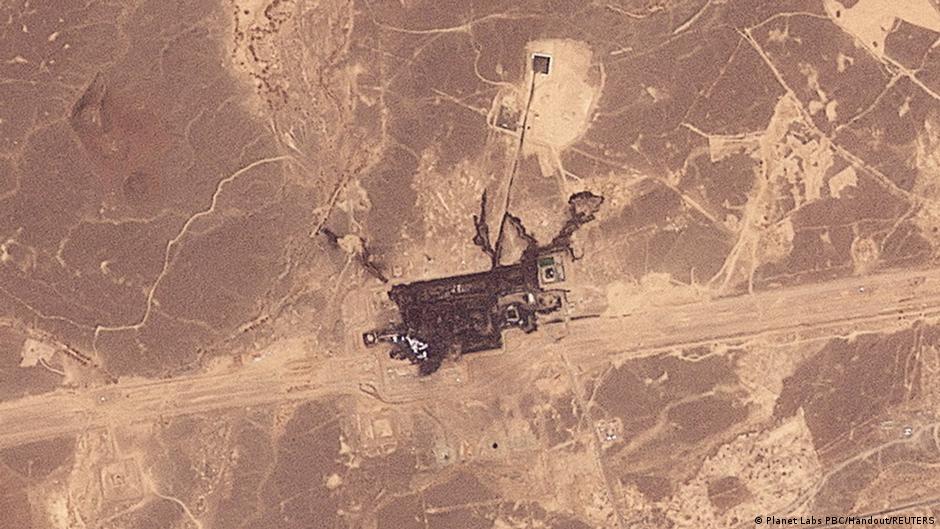
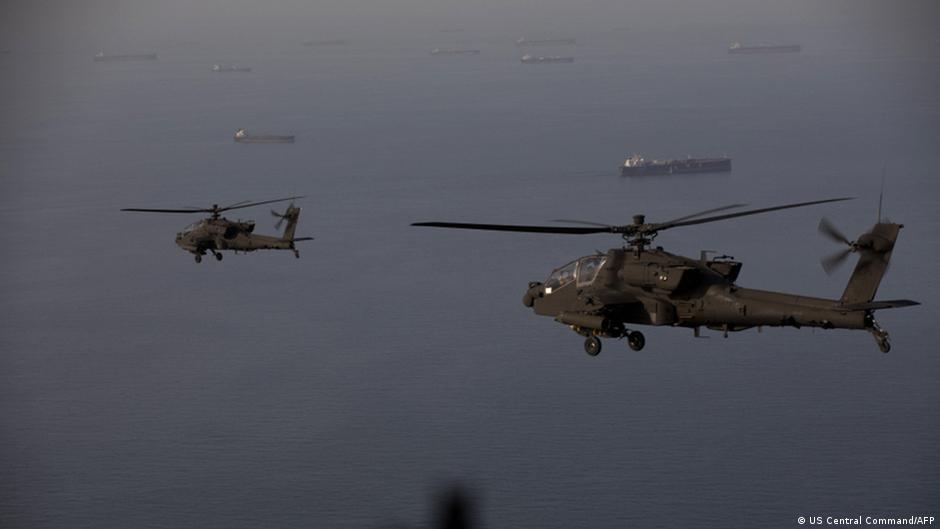
US strikes on Iran near the Strait of Hormuz raise the risk of higher oil prices, impacting household budgets, savings, and currency stability worldwide.

US strikes on Iran near the Strait of Hormuz raise the risk of higher oil prices, impacting household budgets, savings, and currency stability worldwide.

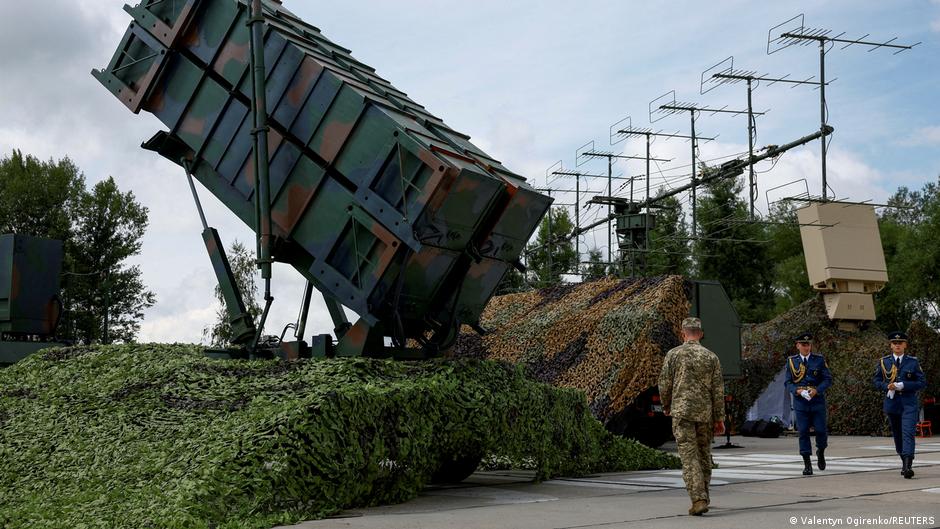
Rheinmetall’s €5.7B arms deal with Romania, funded by the EU’s SAFE program, highlights defense spending’s broader impact on household budgets, currencies, and investors.

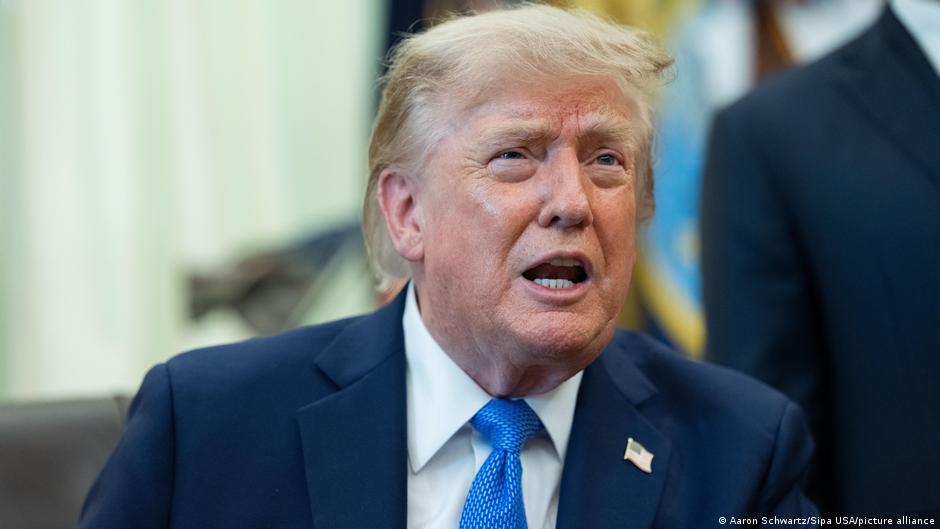
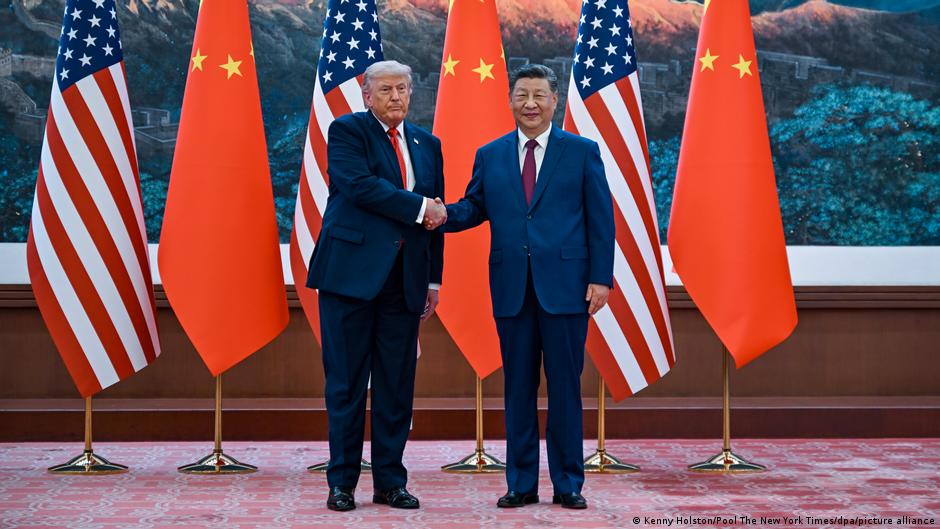
Trump's Beijing meeting with Xi Jinping signals potential easing of trade tensions and energy conflicts, with important effects on consumer prices and currency stability.

The US postpones planned 25% tariffs on EU cars until July 4, easing potential price increases for American consumers and providing time for trade negotiations.

The UK plans to join the EU's €90 billion loan program for Ukraine, impacting household budgets, currencies, and investment opportunities amid new sanctions on Russia.

Russian intimidation of German defense firms involved in Ukraine arms supplies raises cyber and security risks, impacting investors, supply chains, and household finances.

The Trump administration wants GM, Ford and other manufacturers to help produce weapons, echoing WWII-era industrial mobilization.