Kolesnikova Urges EU Diplomacy With Minsk as Sanctions Shape Belarus Risk
Maria Kolesnikova urges the EU to pair diplomacy and sanctions to free Belarusian political prisoners and reduce Russia-linked regional risk.

Maria Kolesnikova urges the EU to pair diplomacy and sanctions to free Belarusian political prisoners and reduce Russia-linked regional risk.

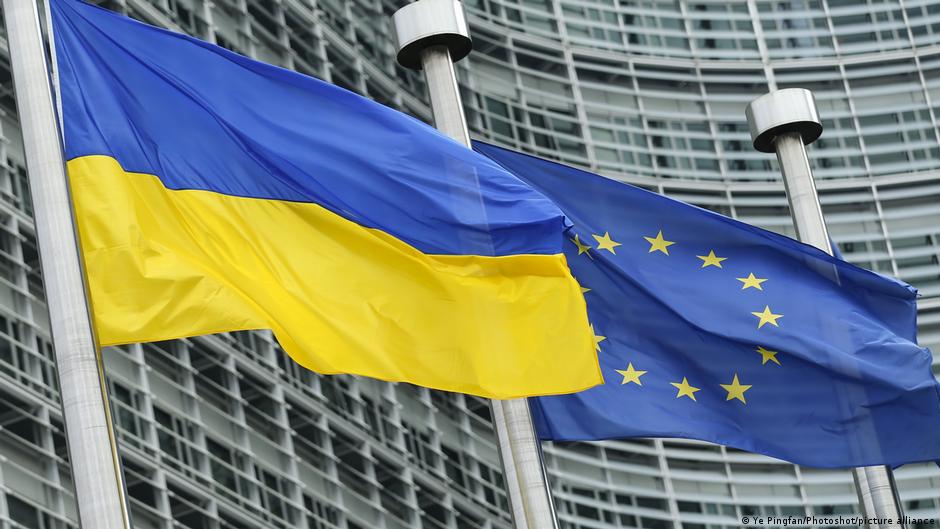
The EU refused to advance part of a €90 billion Ukraine loan, keeping pressure on 2027 funding plans and European budgets.

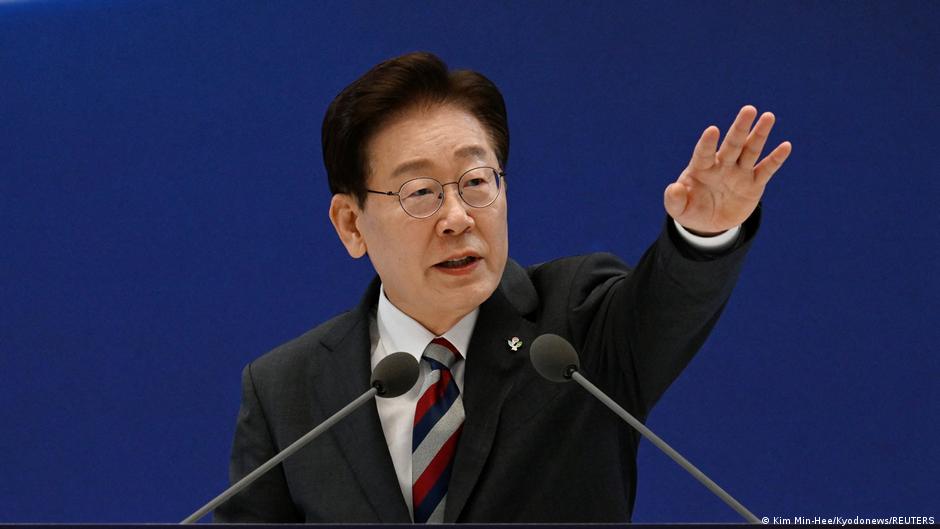
A Seoul-Kyiv dispute over North Korean prisoners could affect defense expectations, currency sentiment and investor risk in Asia and Europe.

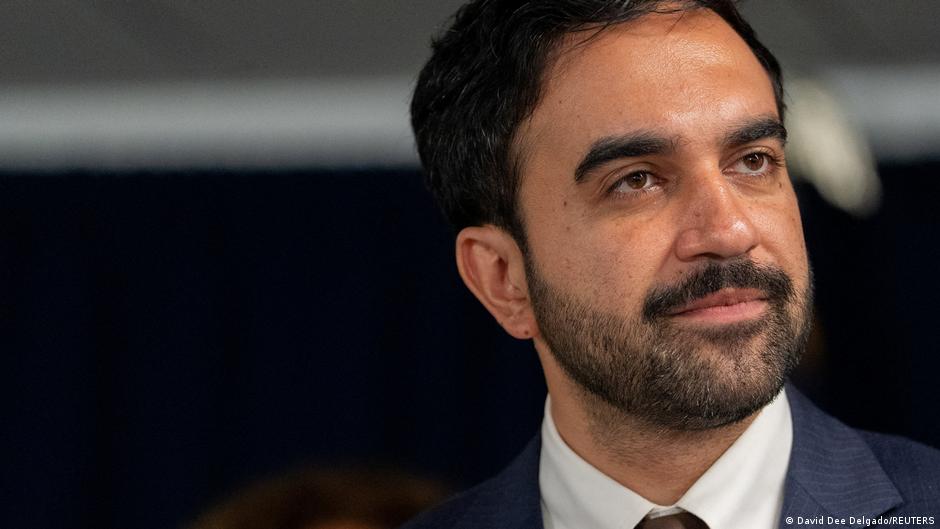
New York’s plan would raise hate-crime funding to $29 million, with money for synagogue security, education and Jewish institutions.

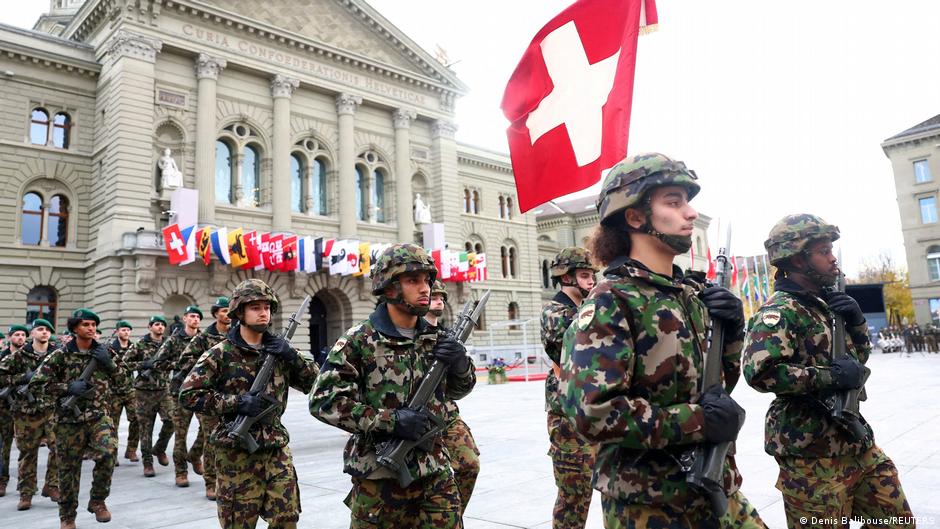
Swiss voters rejected tighter neutrality rules that would have curbed sanctions, preserving policy flexibility watched by savers and investors.

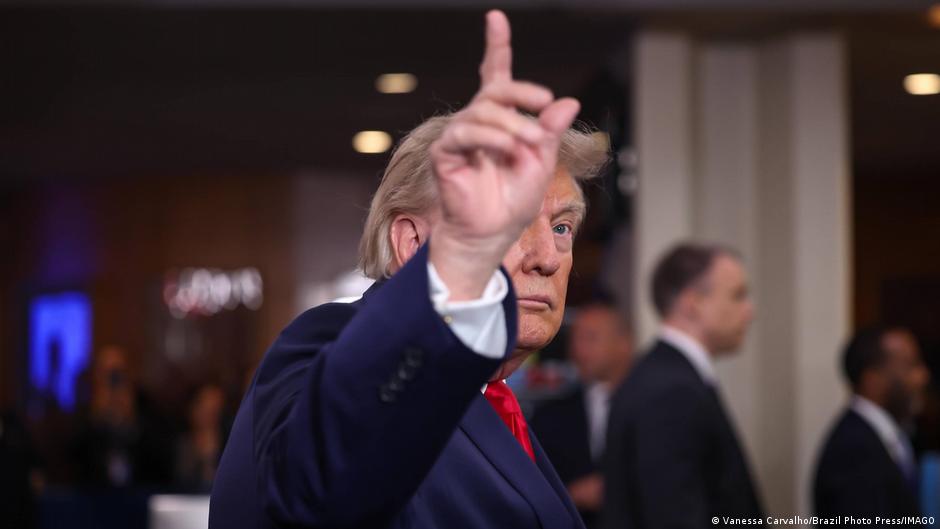
Kyiv denied a report that Trump urged Zelensky to meet Putin in Moscow as energy talks and diesel prices keep the war tied to household costs.

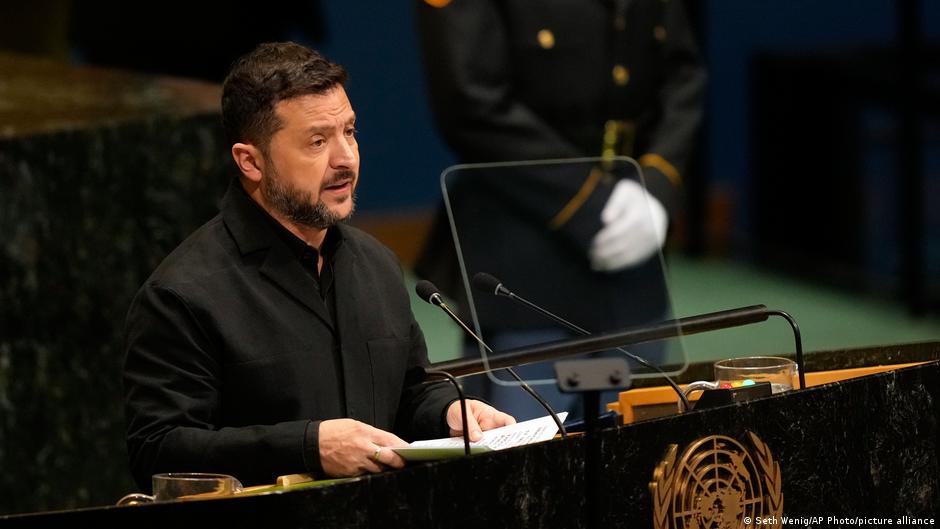
Zelensky’s UN speech tied Russia’s war capacity to energy risks, winter heating pressure and the market uncertainty facing households and investors.

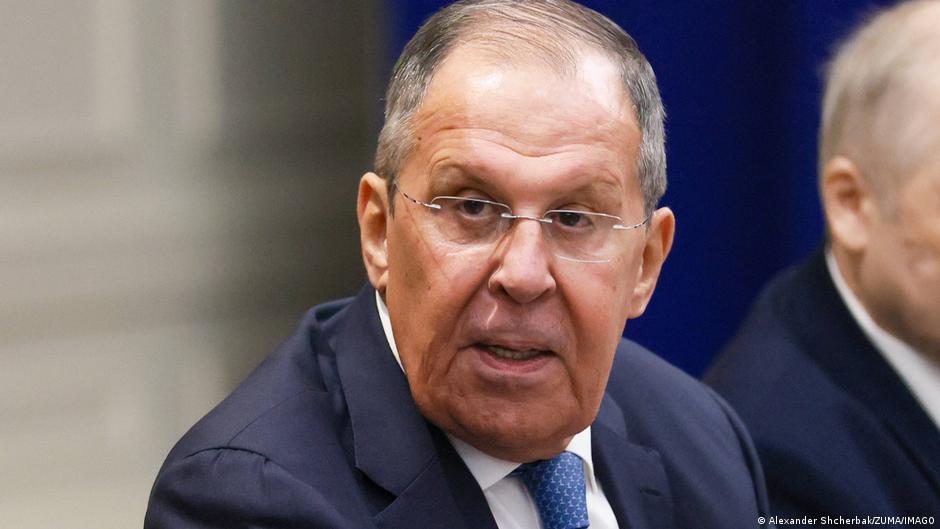
Lavrov ruled out a pause for Ukraine talks, keeping war-related uncertainty in focus for consumers, currencies and everyday investors.

U.S.-Iran talks in New York may influence energy costs, currencies and investor confidence as households watch geopolitical risks.

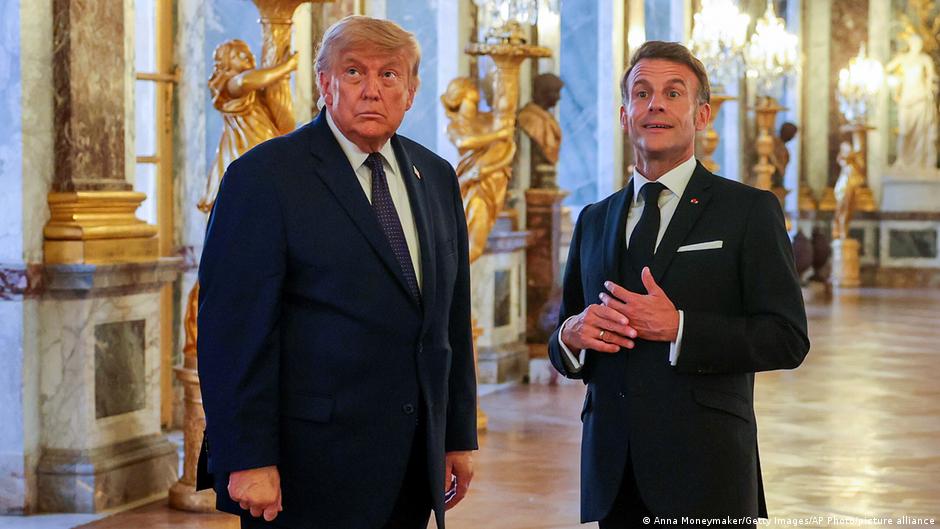
Macron and Trump discussed protecting Ukraine’s energy and civilian infrastructure, a move with implications for household costs and markets.
A mass grave in Sri Lanka’s Chemmani area has yielded remains of 572 people, reopening wartime questions with deep household consequences.

A U.S. strike on a Caribbean boat killed four people, extending a campaign that could affect household budgets through security, fuel and market risks.

Zelensky expects U.S. talks by late September on food and energy security, issues tied to household bills, inflation and market risk.

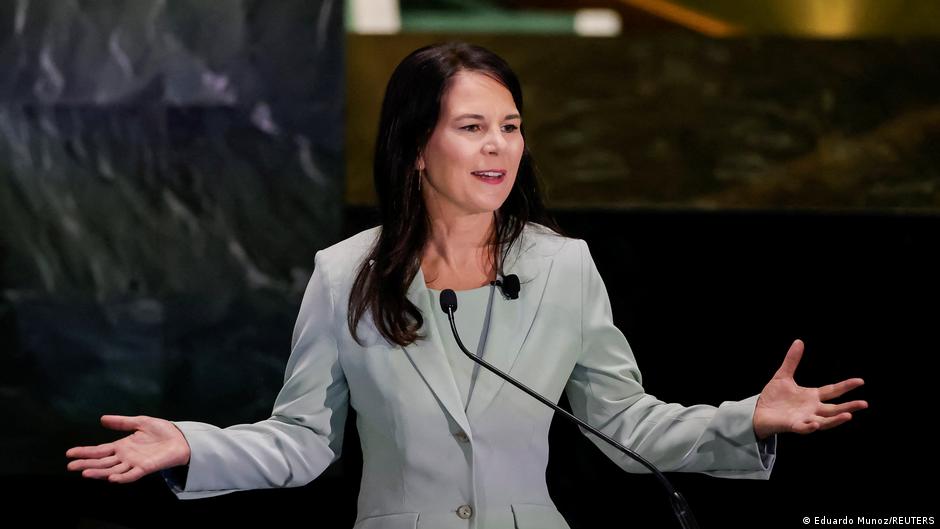
After leading Germany's foreign policy and chairing the UN General Assembly, Annalena Baerbock will join Columbia University as co-director of a public administration program focused on global leadership.

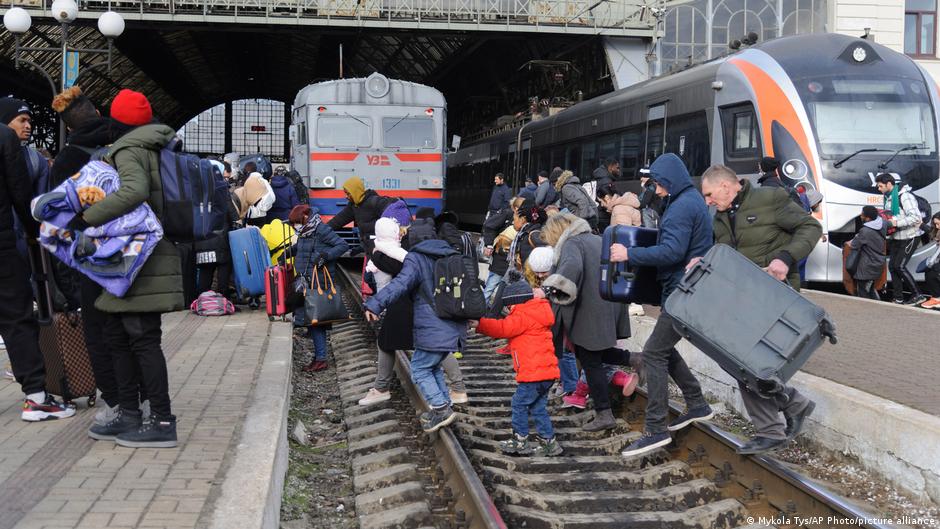
Over 8.4 million Ukrainians live abroad due to ongoing conflict, impacting household finances, savings, currency stability, and investment prospects within Ukraine.

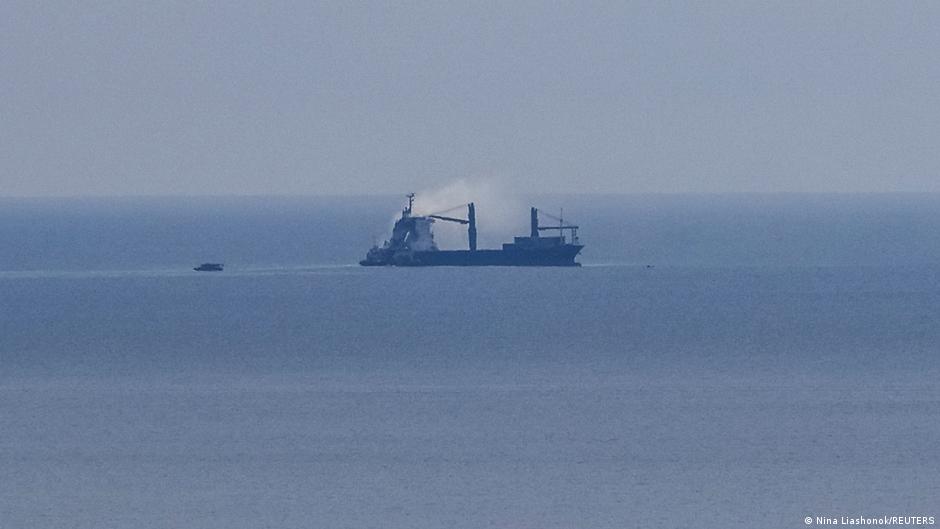
Russian attacks on Black Sea trade routes disrupt global food supplies, risking higher consumer prices and straining household budgets worldwide.

The IMF approved a €604 million payment to Ukraine, supporting budget deficits and economic reforms amid war, with implications for household finances and currency stability.

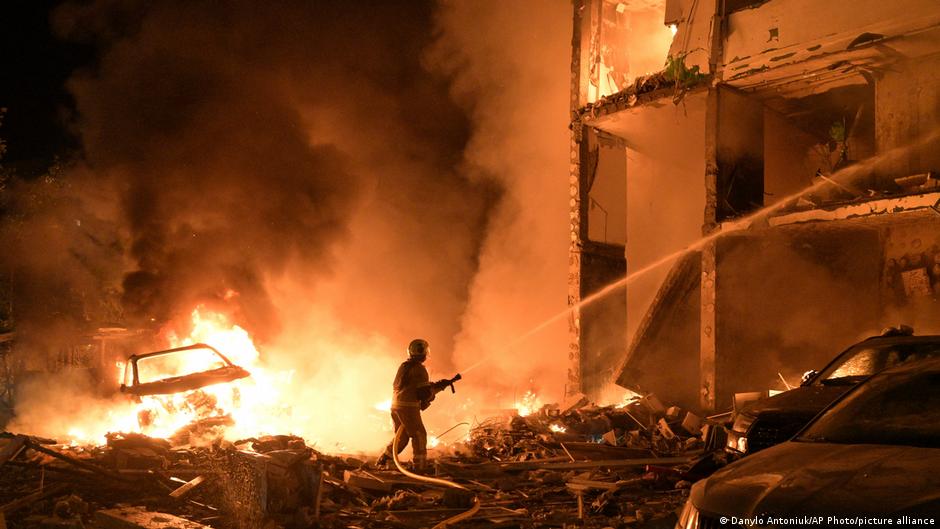
Missile attacks in Kyiv injure civilians and damage infrastructure, exacerbating fuel shortages and economic challenges that impact household budgets and regional markets.

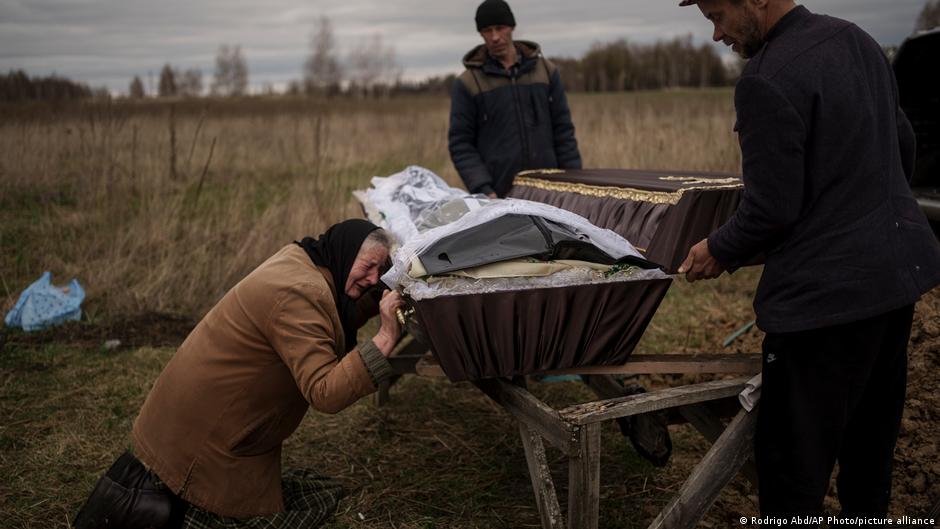
June 2026 saw the highest civilian casualties in Ukraine since the Russian invasion, intensifying financial pressures on families and everyday investors amid ongoing conflict.

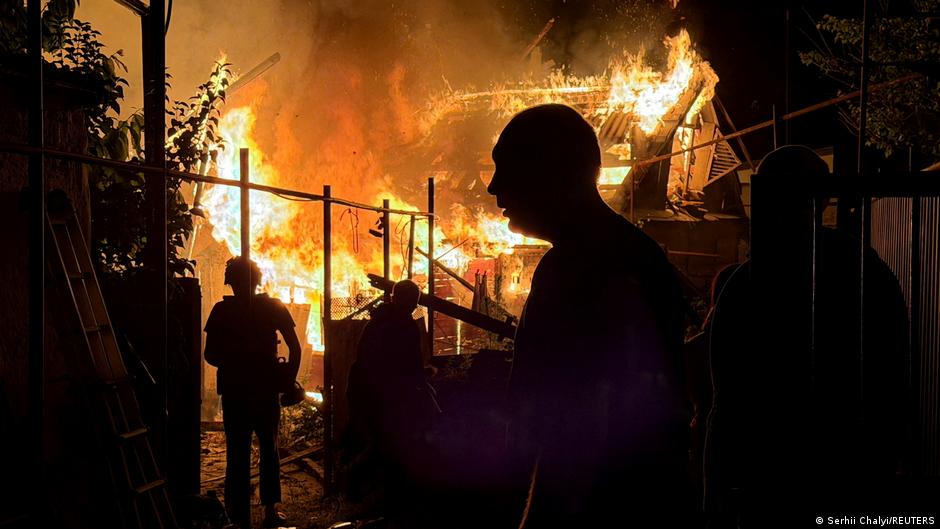
Russian strikes on Zaporizhzhia have caused civilian injuries and damage to homes, raising concerns about the financial impact on households and local economies.

Ukraine demands a ban on Russian military participation in UN missions over sexual violence allegations, escalating geopolitical tensions with economic implications for households and investors.

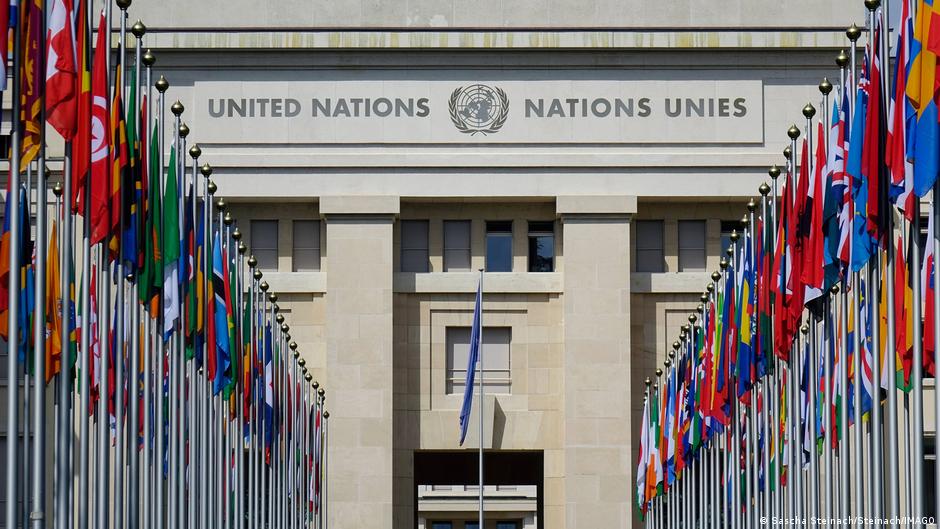
The UN faces a financial crisis as major donors like the US and China delay payments, forcing cuts to vital programs and raising concerns for global aid and economic stability.

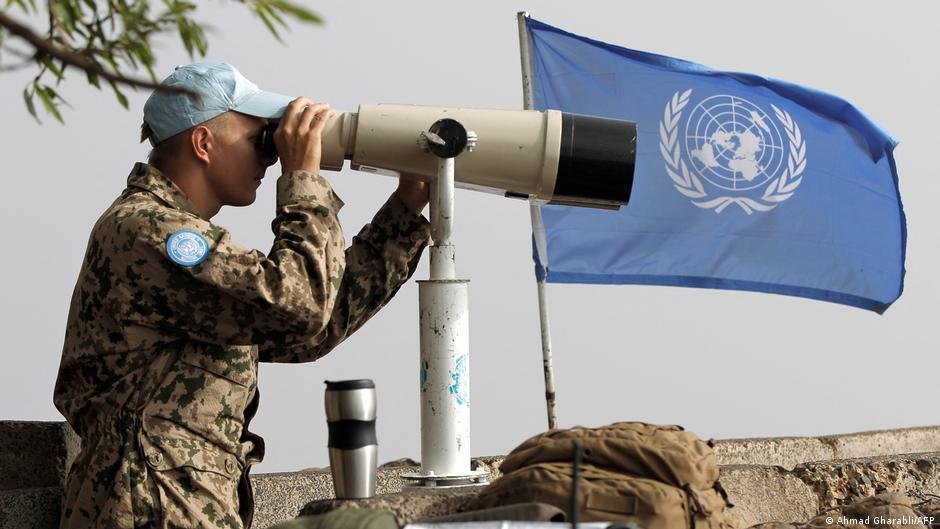
UN peacekeeping forces have dropped to their lowest in 25 years due to funding and geopolitical issues, affecting global stability and economic conditions.

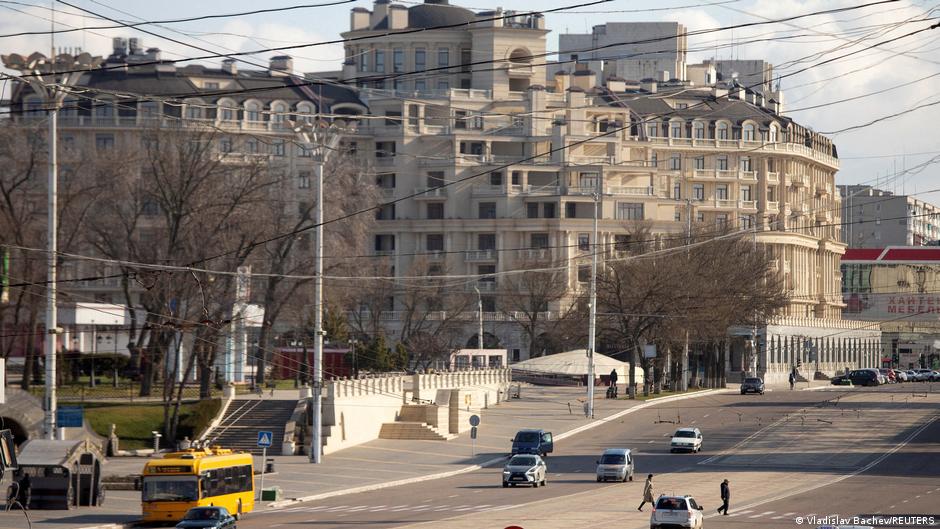
Russia eases citizenship rules for Transnistrian residents, impacting household finances, currency use, and investment opportunities amid regional uncertainties.