US Strikes on Iran Raise Oil Price Risks, Impacting Household Budgets and Savings
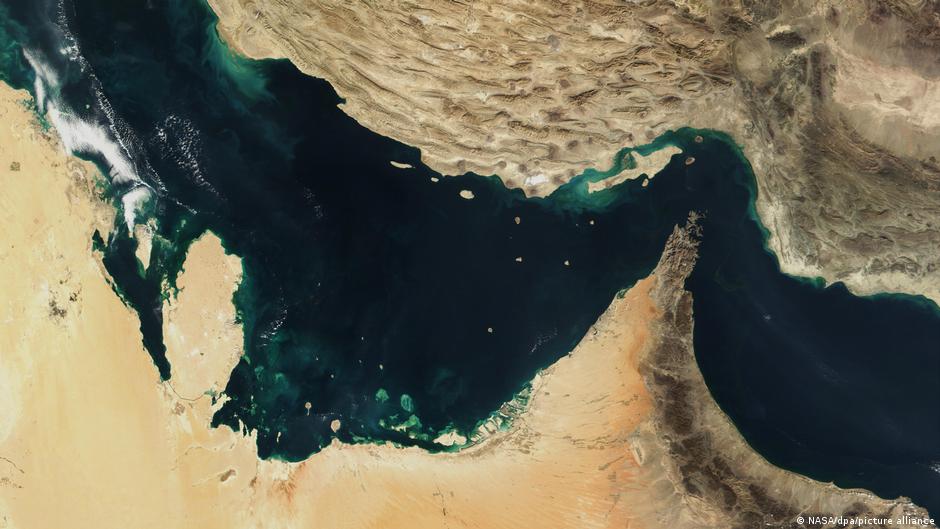
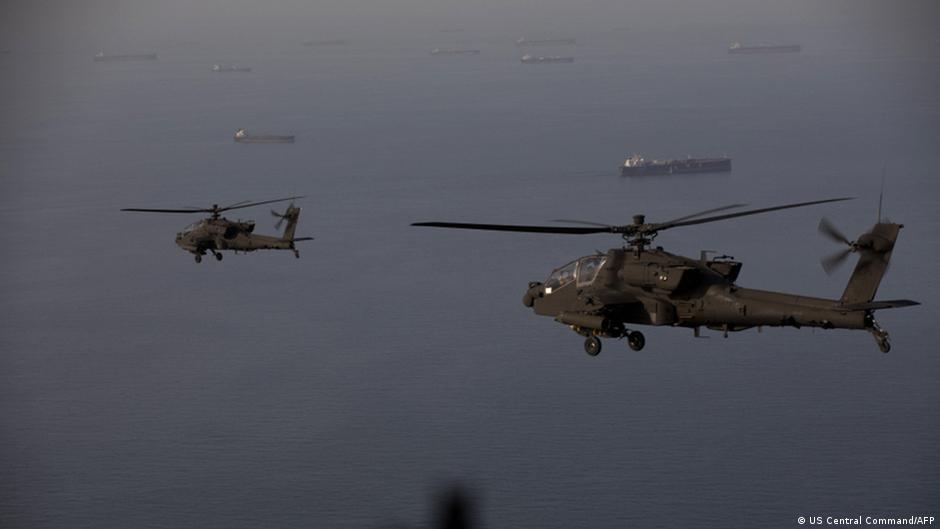
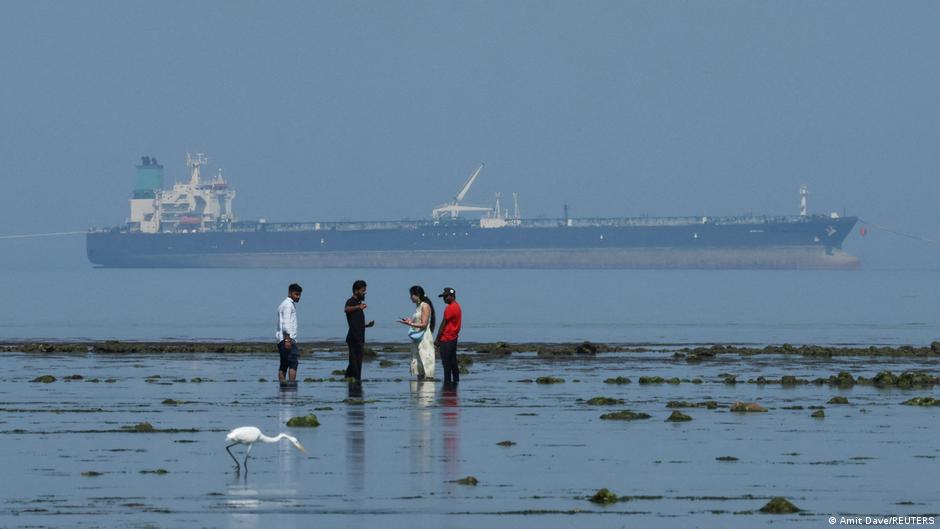
US strikes on Iran near the Strait of Hormuz raise the risk of higher oil prices, impacting household budgets, savings, and currency stability worldwide.

US strikes on Iran near the Strait of Hormuz raise the risk of higher oil prices, impacting household budgets, savings, and currency stability worldwide.

The UK government has authorized indefinite imports of diesel and kerosene refined from Russian crude via third countries to ease rising fuel prices impacting households.

Iran's proposed 14-point peace plan could influence global oil prices and market volatility, with direct effects on household budgets, savings, and everyday investors worldwide.

Oil prices surged over 7% amid US-Iran tensions, pressuring household budgets, savings, and currencies worldwide due to potential long-term supply disruptions.

Trump rejects NATO assistance in Strait of Hormuz amid rising tensions, risking higher energy prices and market volatility affecting consumers and investors.

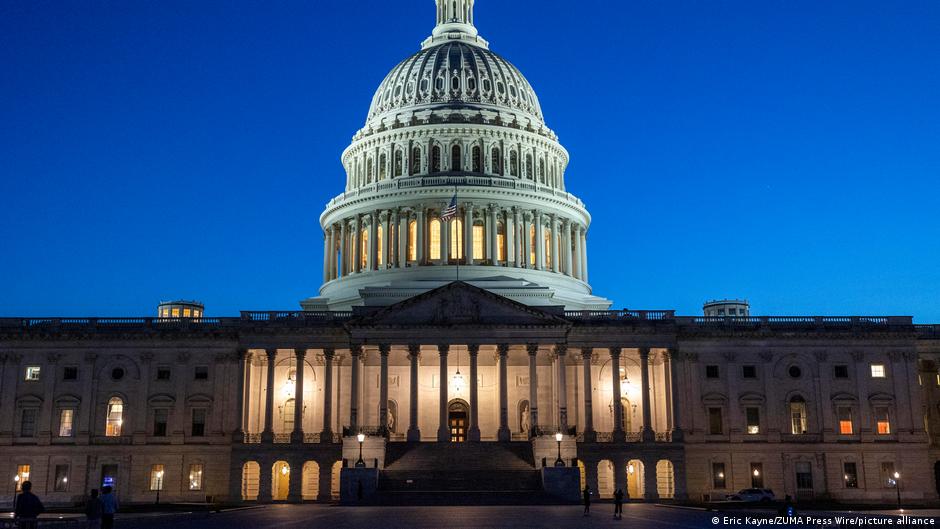
The US Senate rejected a resolution to end the war with Iran, maintaining broad presidential war powers and raising concerns over impacts on household budgets, currencies, and investors.