Middle East Tensions and Their Impact on Household Budgets and Investments
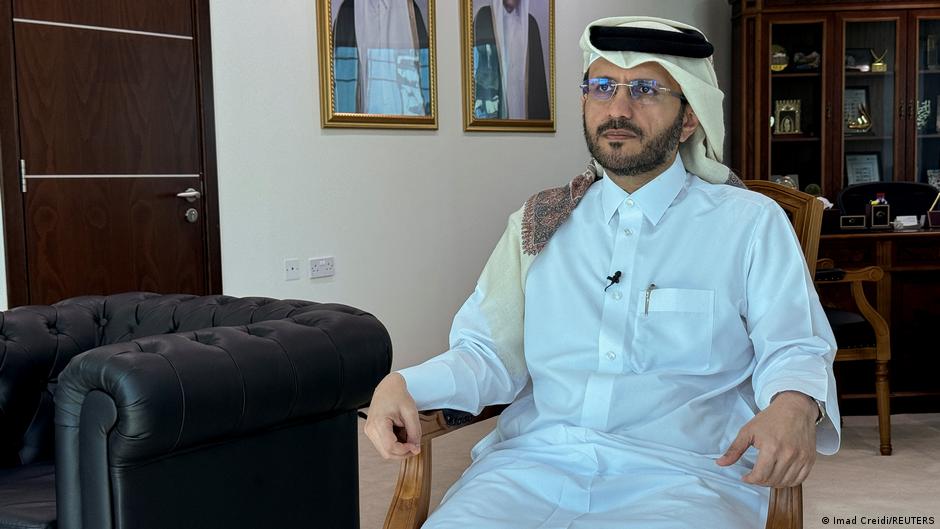
Geopolitical tensions between Qatar and Iran threaten currency stability and consumer costs, impacting household budgets and everyday investors in the Gulf region.

Geopolitical tensions between Qatar and Iran threaten currency stability and consumer costs, impacting household budgets and everyday investors in the Gulf region.

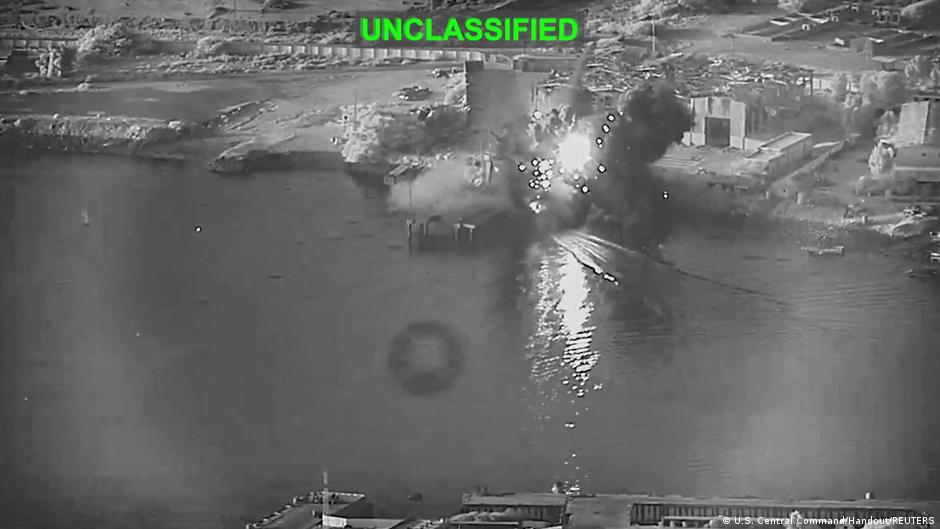
US strikes on Iran's infrastructure heighten risks of oil supply disruptions, driving up energy costs and impacting household budgets and investors worldwide.

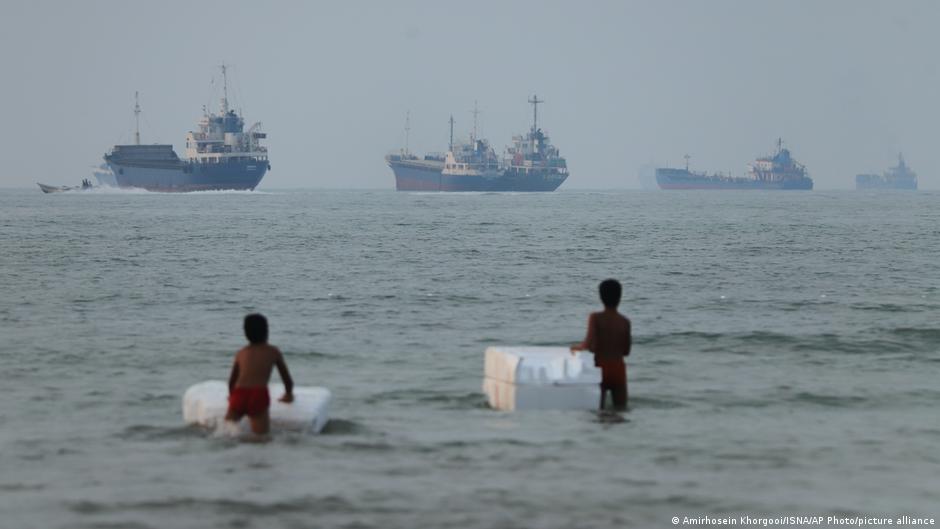
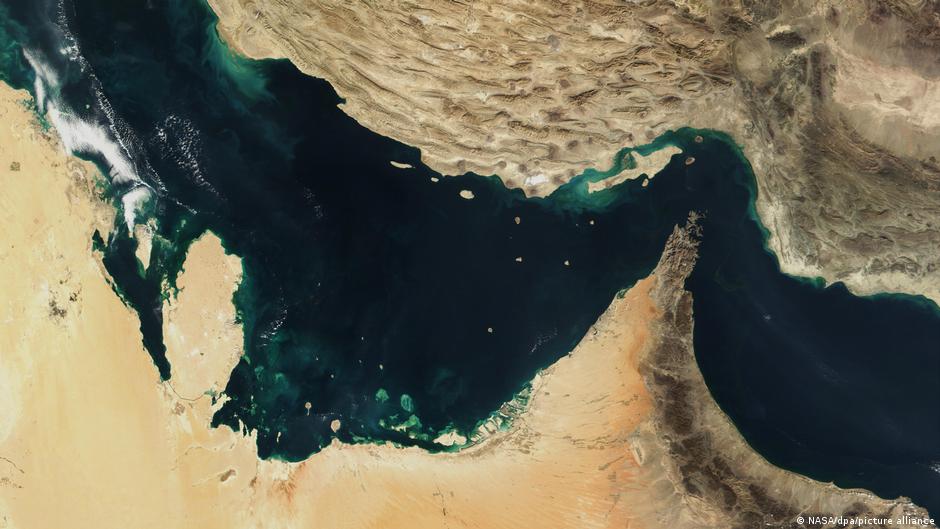
US military strikes on Iran near the Strait of Hormuz risk disrupting oil supplies, driving up energy prices, and straining household budgets and investments globally.

US strikes on Iran and renewed sanctions risk disrupting global oil supplies, pushing energy costs higher and impacting household budgets and investors worldwide.

Reports claim the UAE is unfreezing billions in Iranian oil funds to stop attacks, impacting currency stability and household finances across the region.

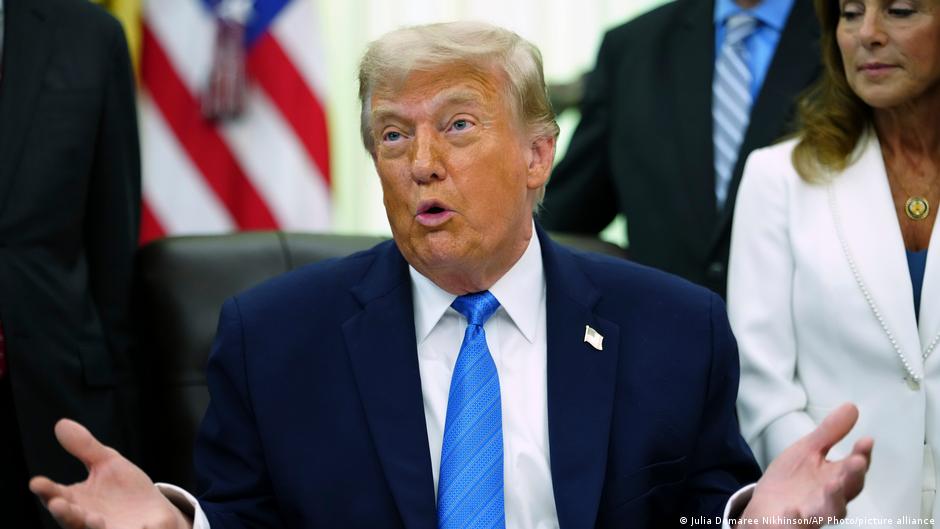
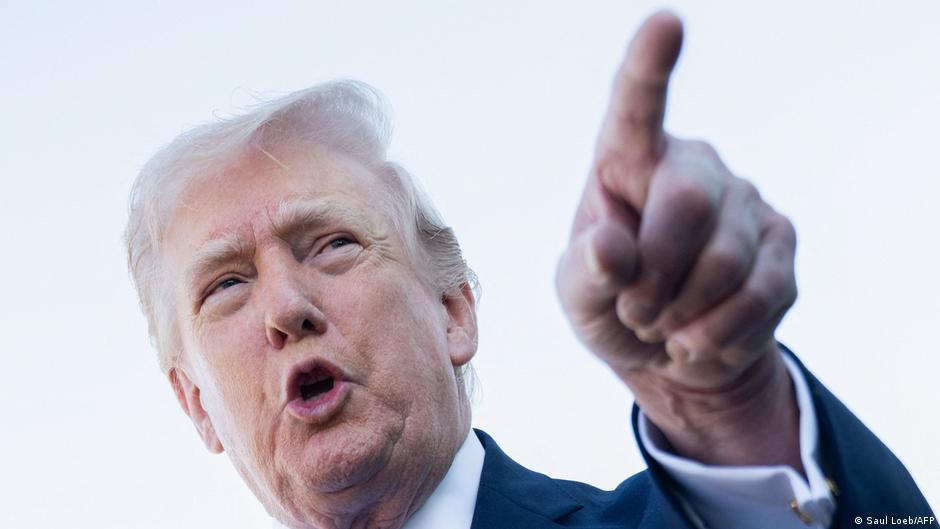
US President Trump halts planned strikes on Iran amid progress toward a regional deal, potentially stabilizing global oil prices and easing the burden on household finances.

Renewed US-Iran hostilities and the closure of the Strait of Hormuz are driving up oil prices, threatening household budgets and global consumer costs.

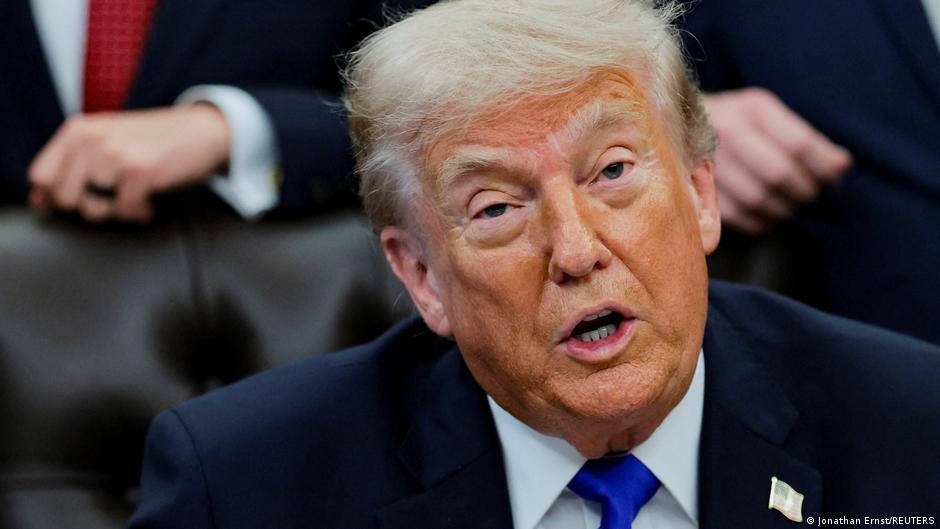
US postpones planned strike on Iran after Gulf leaders’ intervention, easing pressure on global energy prices and currencies, with implications for household budgets and investors.

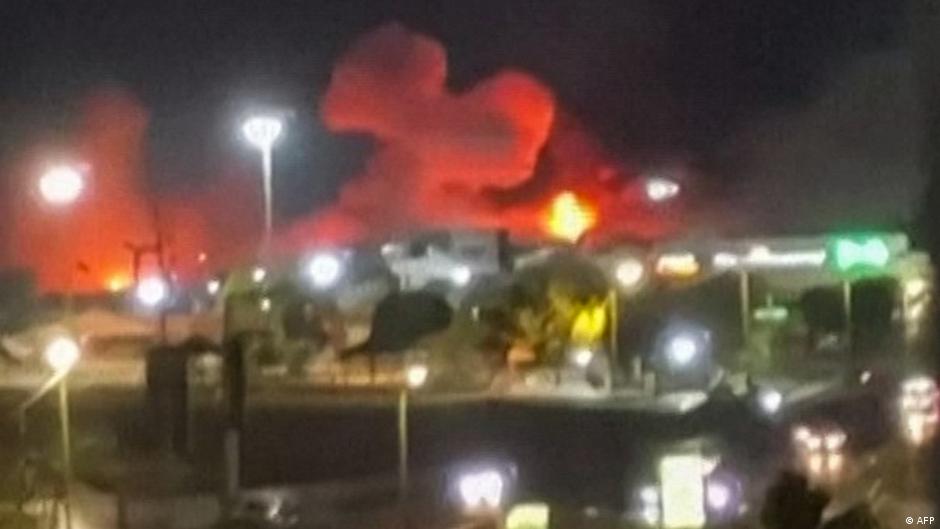
Secret UAE strikes on Iran and Iranian retaliations disrupt Gulf economies, affecting tourism, real estate, and household finances amid rising regional tensions.

US-Iran talks nearing a deal could ease sanctions and lower energy prices, impacting household budgets, savings, and investment markets globally.

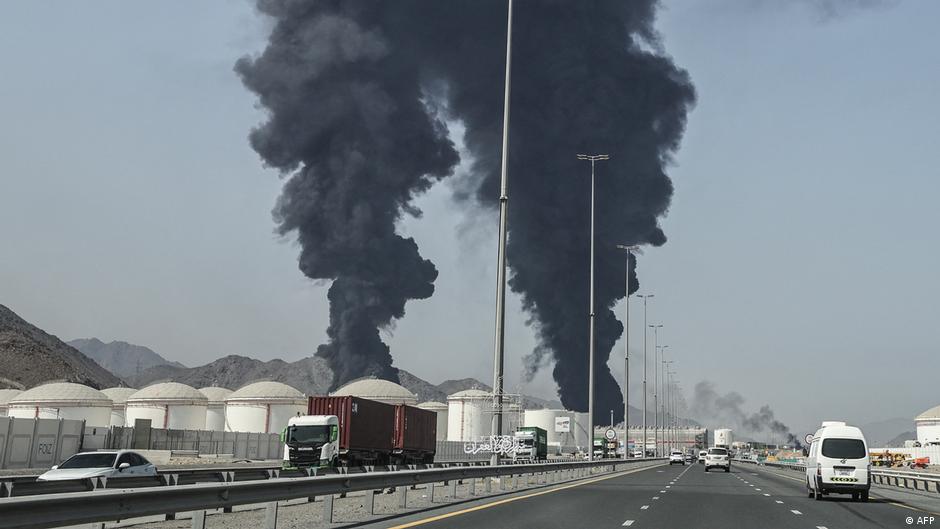
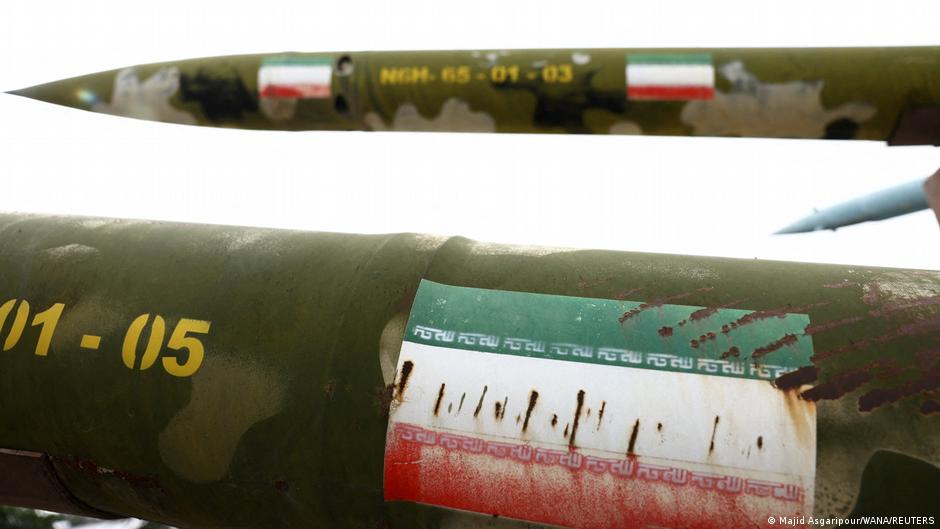
Iran’s missile and drone strikes on the UAE escalate regional tensions, threatening global energy supplies and raising costs that impact household budgets and investors.