US-Iran Nuclear Talks Delay Impacts Global Markets and Household Finances
The delay in US-Iran nuclear talks increases market volatility, impacting household budgets, savings, and investor confidence worldwide.

The delay in US-Iran nuclear talks increases market volatility, impacting household budgets, savings, and investor confidence worldwide.

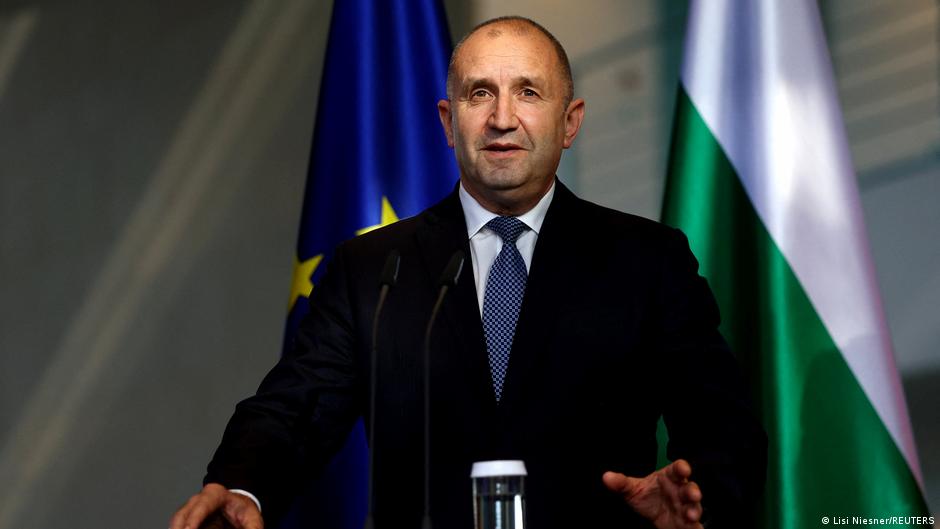
Bulgaria plans to veto the EU's new sanctions on Russia, citing risks to fuel supply, metro parts, and fertilizer availability that could impact household budgets and inflation.

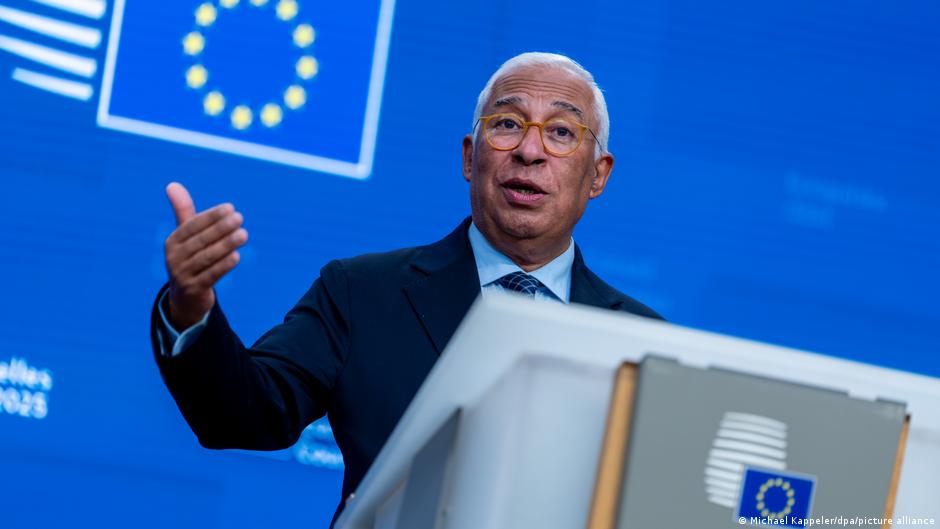
The EU has extended sanctions on Russia to one year, intensifying economic pressures that may raise energy costs and impact European household budgets and savings.

The US has ended its blockade of the Strait of Hormuz, allowing increased oil shipments that could stabilize fuel prices and ease household budget pressures worldwide.

The EU's quiet talks with Russia may pave the way for peace, potentially easing inflation and market volatility that affect European households and investors.

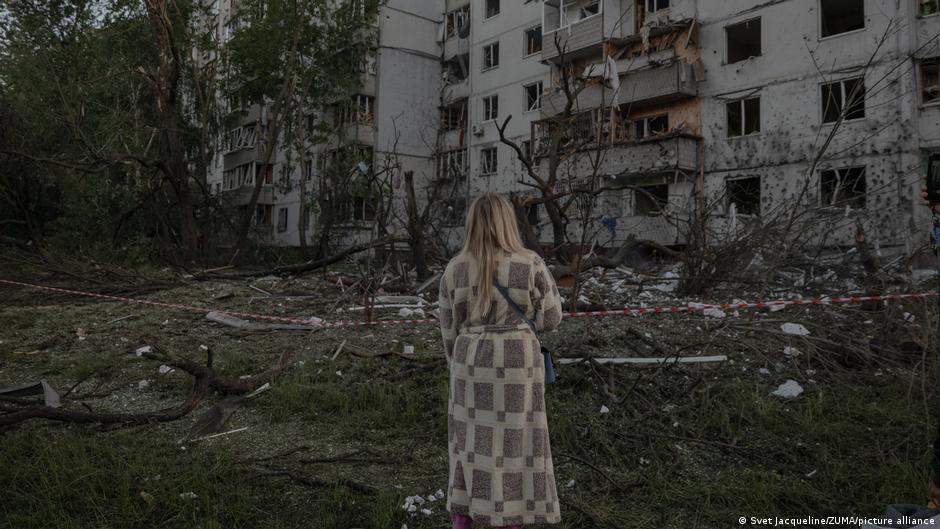
Russian missile attacks on Kyiv following G7 aid pledges disrupt energy supplies and increase economic uncertainty for Ukrainian households and investors.

The reopening of the Strait of Hormuz after a US-Iran peace deal could stabilize oil prices, easing fuel costs and benefiting household budgets globally.

G7 countries announced new sanctions on Russian oil and gas, increased arms aid to Ukraine, raising concerns over rising energy prices and household budget impacts.

Bolivia and the US renew anti-drug cooperation after 18 years, with $20M in US aid aimed at stabilizing Bolivia’s economy and curbing cocaine production impacts.

Eduardo Bolsonaro, son of former Brazilian president, sentenced to prison amid political unrest, impacting household finances, currency stability, and investor confidence.

The EU has started formal accession talks with Ukraine and Moldova, moving to detailed discussions that will affect economies, currencies, and household finances.

Hungary's parliament limits prime minister terms to two four-year periods, impacting political stability and economic policies that affect household budgets and investor confidence.