Middle East Tensions and Their Impact on Household Budgets and Investments
Geopolitical tensions between Qatar and Iran threaten currency stability and consumer costs, impacting household budgets and everyday investors in the Gulf region.

Geopolitical tensions between Qatar and Iran threaten currency stability and consumer costs, impacting household budgets and everyday investors in the Gulf region.

Russia has declared the US Human Rights Foundation 'undesirable,' limiting independent information that supports household financial planning and investment decisions.

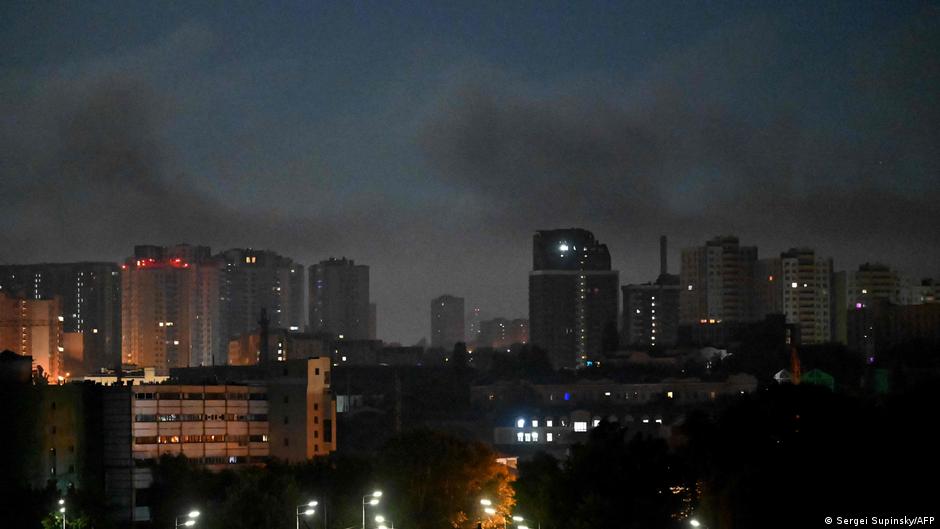
Russian missile strikes on Kyiv cause fatalities and damage, impacting household budgets and local economies amid ongoing conflict.

Russian missile and drone strikes on Kyiv and Kharkiv cause casualties and damage, intensifying economic uncertainty and affecting Ukrainian household finances.

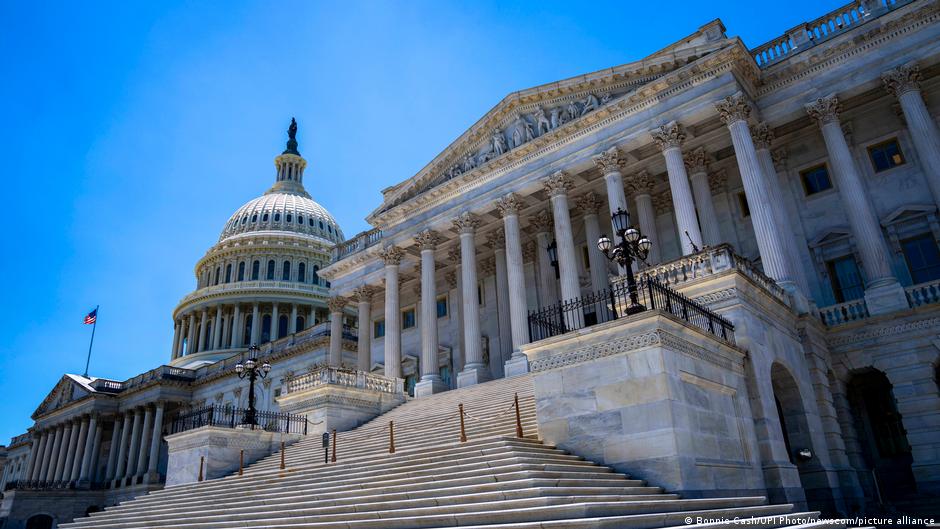
The US Senate voted to end military actions against Iran, signaling shifts that may ease economic pressures on households and investors amid ongoing peace talks.

Germany’s workforce shortage is set to rise by 4.3 million by 2036 due to retiring baby boomers and reduced immigration, impacting household incomes and economic stability.

Millions of Russians face growing financial hardship as the Kremlin dismisses anti-war calls, deepening economic uncertainty affecting household budgets and savings.

Uzbek banks saw a 30.88% rise in deposits in Q1 2026, with corporate and retail savings fueling growth and boosting confidence in the financial sector.

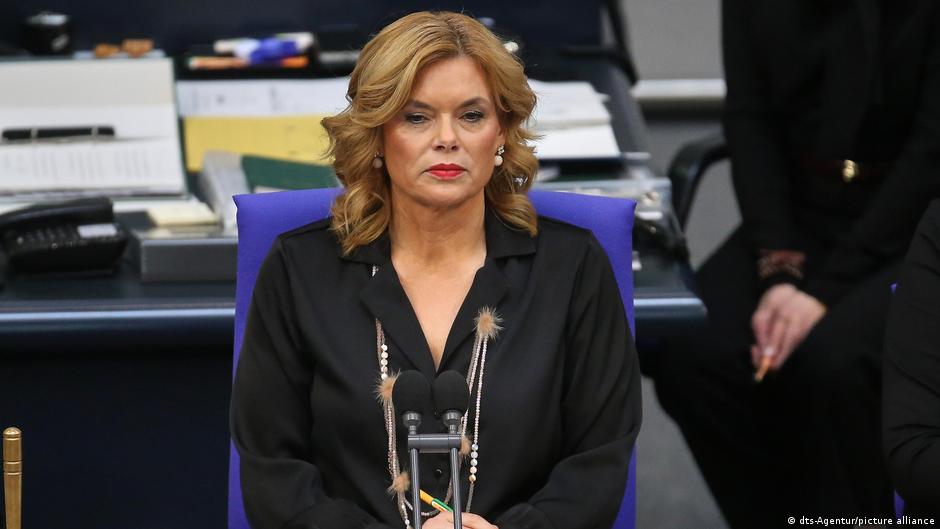
The hacking of Germany's Bundestag head’s Signal account highlights phishing risks that threaten household financial security and personal data protection.

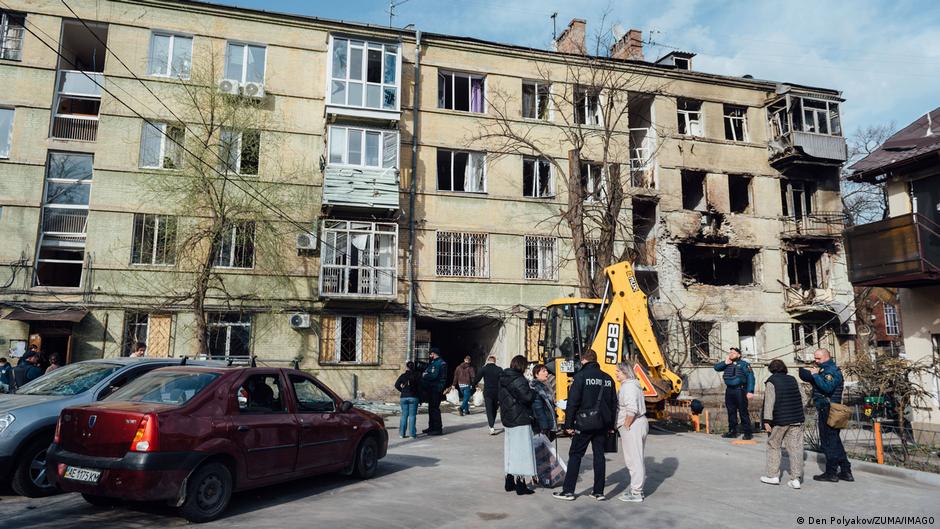
Drone attacks on Dnipro have injured residents and damaged homes, forcing families to face unexpected medical and repair costs that strain household budgets and savings.