Uzbekistan's First ID Card Fee Draws Scrutiny Over Family Budgets
Uzbekistan's fee for a first ID card is under scrutiny after a viral passport-office account, with neighboring countries often charging less or nothing at all.

Uzbekistan's fee for a first ID card is under scrutiny after a viral passport-office account, with neighboring countries often charging less or nothing at all.

Uzbekistan’s government auctions its full stake in the Fonon Jewelry Factory’s parent company, which carries substantial debt and uncertain financial prospects for consumers and investors.

Meta’s $18B settlement over child safety mandates new age-verification tech with privacy risks, impacting household digital habits and platform trust.

After leading Germany's foreign policy and chairing the UN General Assembly, Annalena Baerbock will join Columbia University as co-director of a public administration program focused on global leadership.

The detention of Russian blogger Ilya Remeslo amid political repression raises concerns about economic instability and impacts on household finances, savings, and currency confidence.

The U.S. has removed Syria from its terrorism sponsor list, opening new economic opportunities with potential impacts on currencies, investments, and household finances worldwide.

Sabotage at European defense factories risks supply chain disruptions that could raise consumer costs and disrupt savings amid ongoing geopolitical tensions.

Drone attacks on Ozon warehouses in Krasnodar and Stavropol disrupt operations, cause casualties, and threaten supply chains, impacting consumer access and costs.

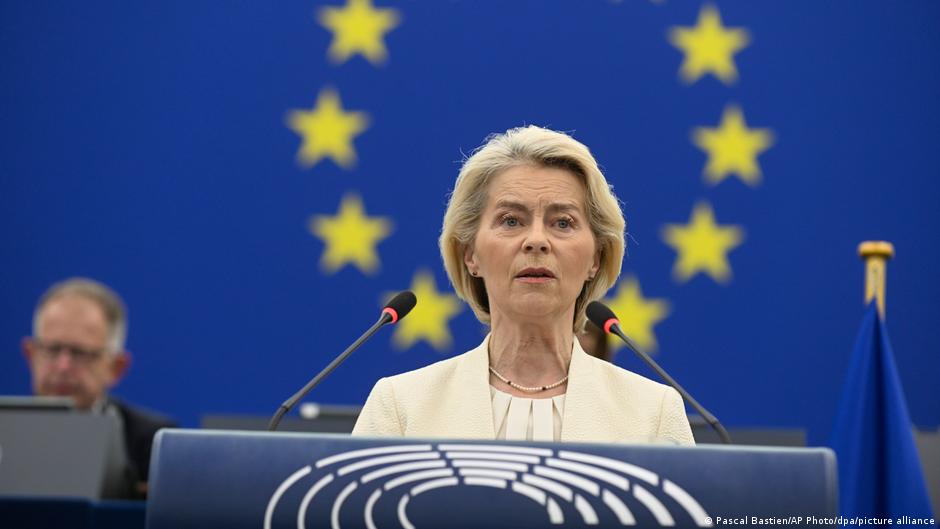
The EU pledges ongoing support to Ukraine amid conflict, maintaining sanctions on Russia that affect European household budgets, currency markets, and investors.

Russia's shadow air fleet in Africa bypasses sanctions, fueling geopolitical tensions that may impact household budgets, inflation, and investor risks globally.

Russian authorities detained about 100 people at a music festival near Vyborg for political songs and regime change calls, reflecting wider impacts on household budgets and market confidence.

A 23.6% wage gap between German and foreign workers persists, affecting immigrant household budgets, savings potential, and investment opportunities in Germany.