Middle East Tensions and Their Impact on Household Budgets and Investments
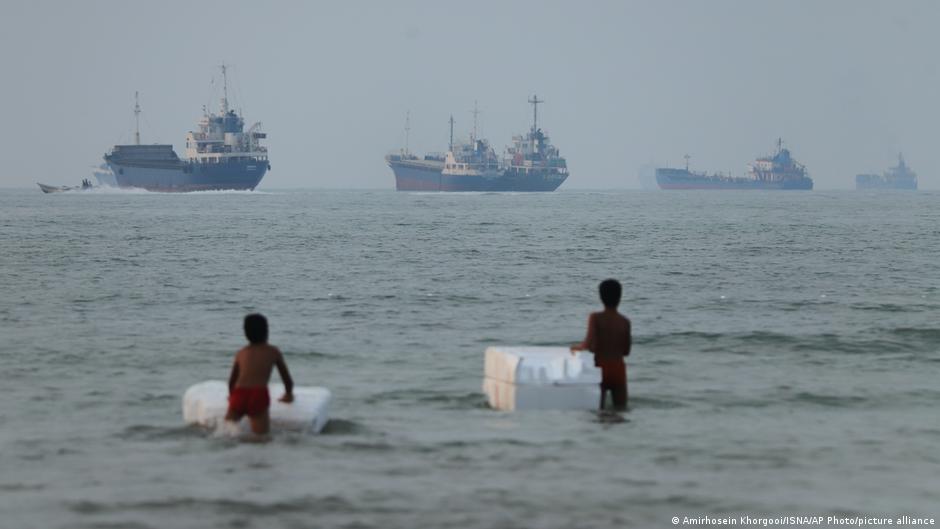
Geopolitical tensions between Qatar and Iran threaten currency stability and consumer costs, impacting household budgets and everyday investors in the Gulf region.

Geopolitical tensions between Qatar and Iran threaten currency stability and consumer costs, impacting household budgets and everyday investors in the Gulf region.

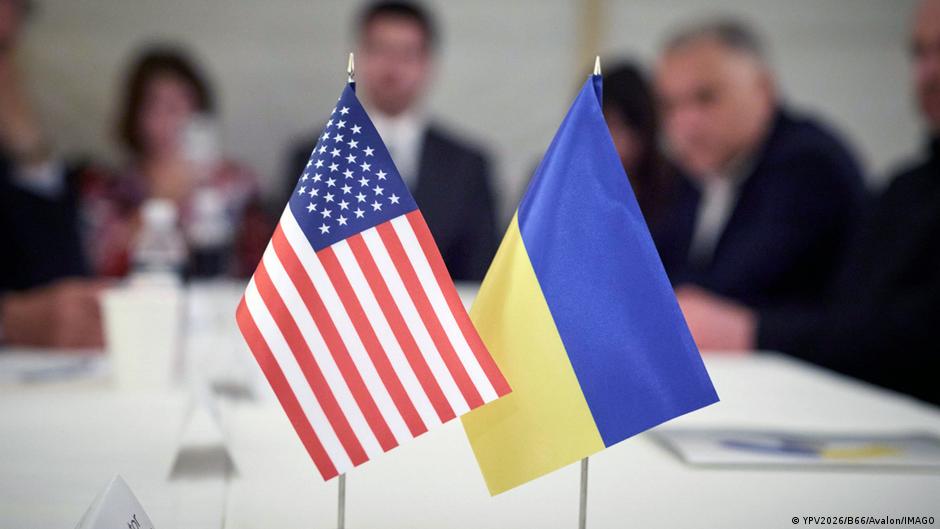
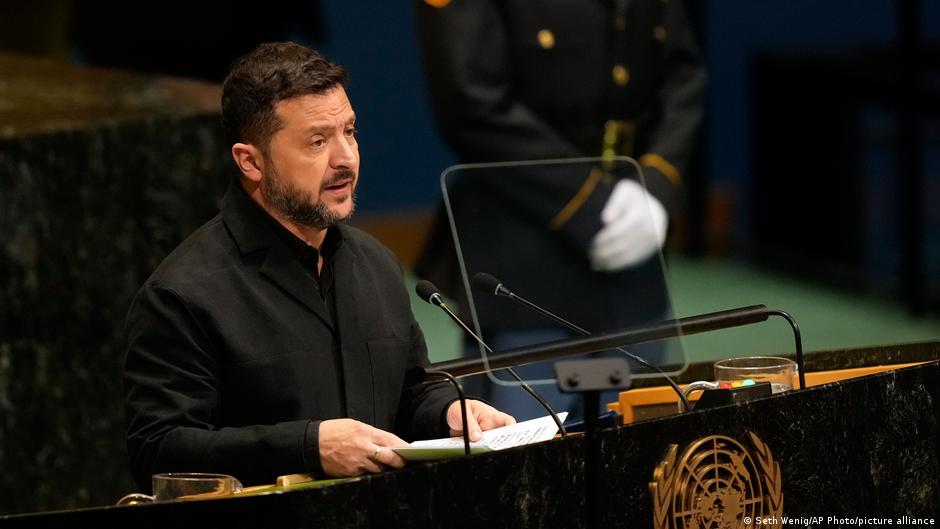
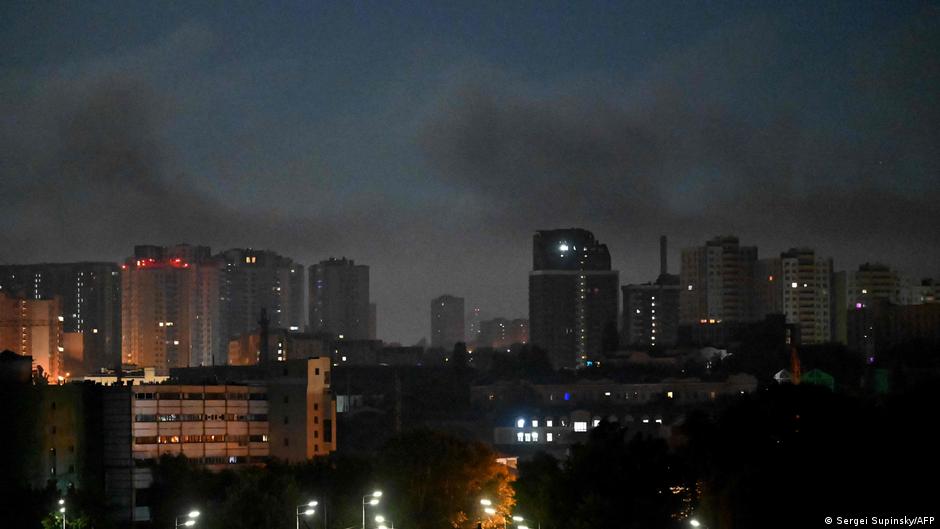
Russian missile strikes on Kyiv cause fatalities and damage, impacting household budgets and local economies amid ongoing conflict.

Ukraine warns Russia plans to expand military mobilization in 2026, including North Korean troops, raising economic risks for Russian households, savings, and currency stability.

Hungary’s veto on Ukraine’s EU accession negotiation clusters delays integration, risking currency volatility, inflation, and uncertainty for households and investors.

US strikes on Iran and renewed sanctions risk disrupting global oil supplies, pushing energy costs higher and impacting household budgets and investors worldwide.

Germany’s workforce shortage is set to rise by 4.3 million by 2036 due to retiring baby boomers and reduced immigration, impacting household incomes and economic stability.

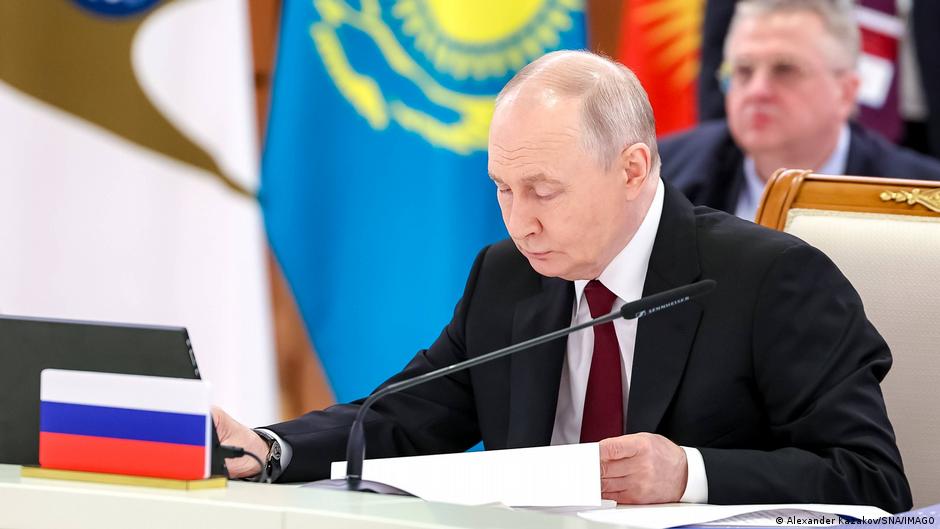
Putin warns Armenia of tariff hikes and work restrictions if it leaves the Eurasian Economic Union, threatening household budgets and economic ties.

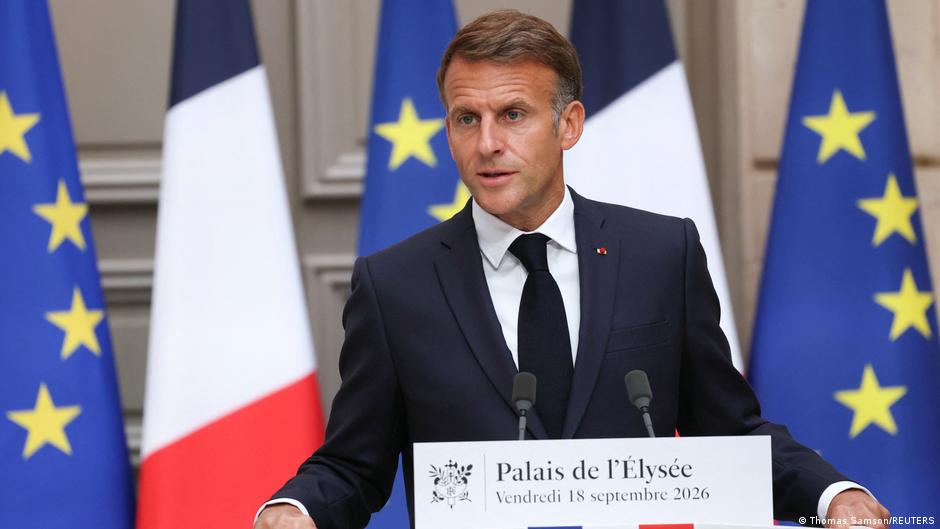
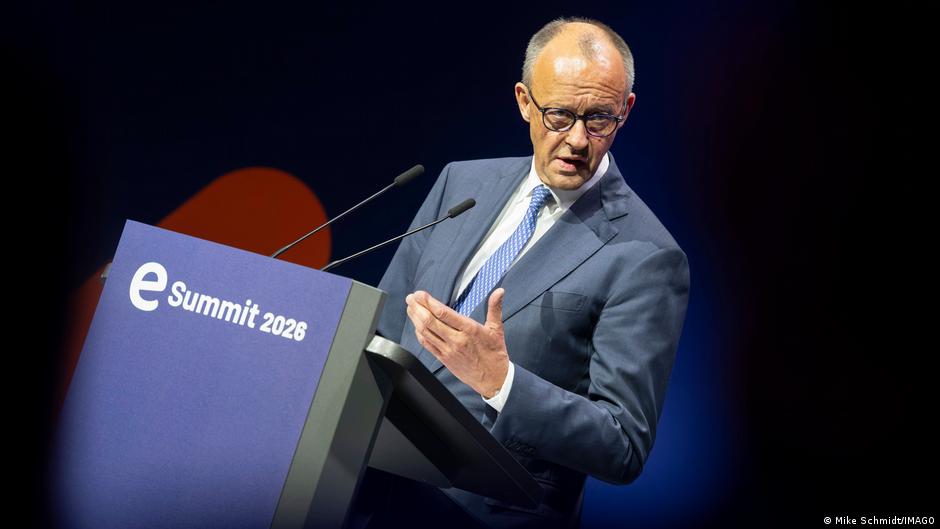
Denials of Chancellor Friedrich Merz’s early replacement ease political uncertainty, helping stabilize Germany’s economy and consumer confidence amid current challenges.

Violent clashes in DR Congo’s Ituri province have killed 69 people, disrupting local economies, threatening household savings, and increasing currency and investment risks.

The Central Bank keeps interest rates at 14% due to persistent food price inflation and external risks, impacting household budgets and savings strategies.