US Congress Approves $70 Billion for Immigration Services Funding Amid Controversy
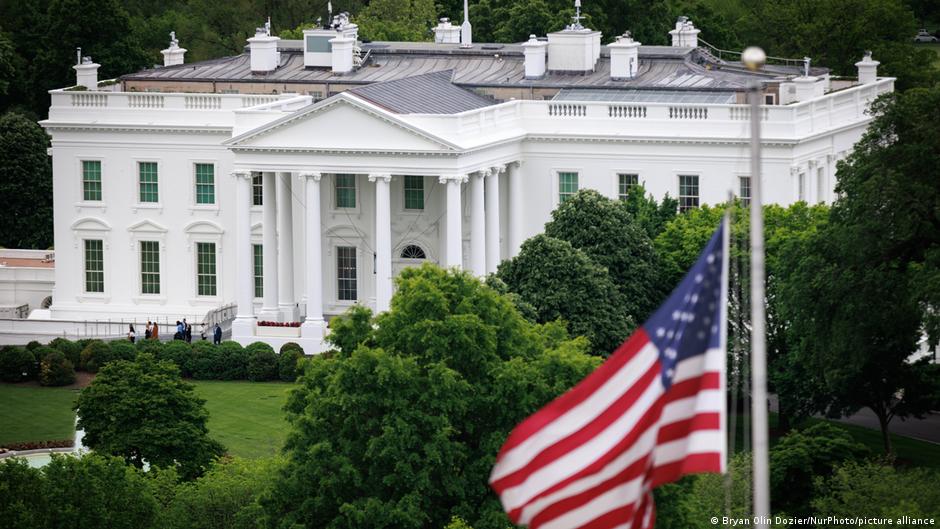
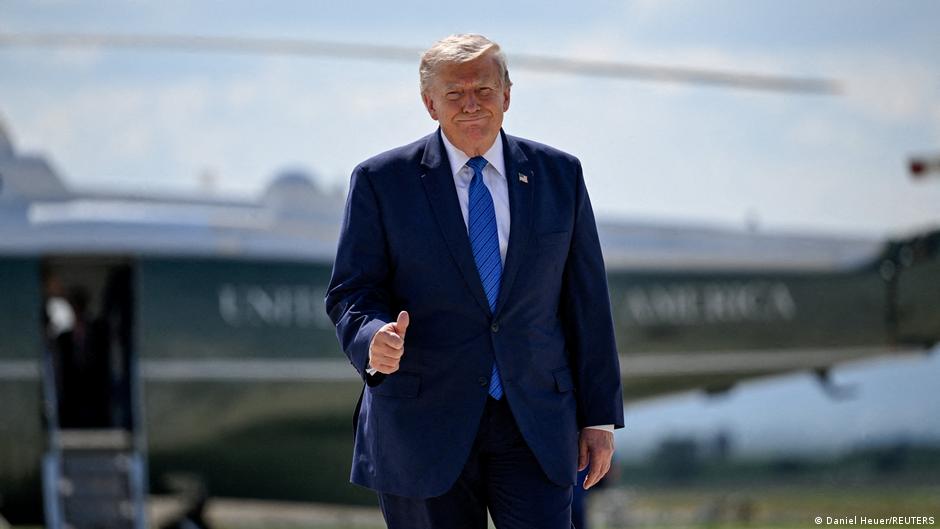
US Congress approved $70 billion for immigration enforcement, raising concerns about effects on household budgets, currency, and consumer finances.

US Congress approved $70 billion for immigration enforcement, raising concerns about effects on household budgets, currency, and consumer finances.

Rheinmetall’s €5.7B arms deal with Romania, funded by the EU’s SAFE program, highlights defense spending’s broader impact on household budgets, currencies, and investors.

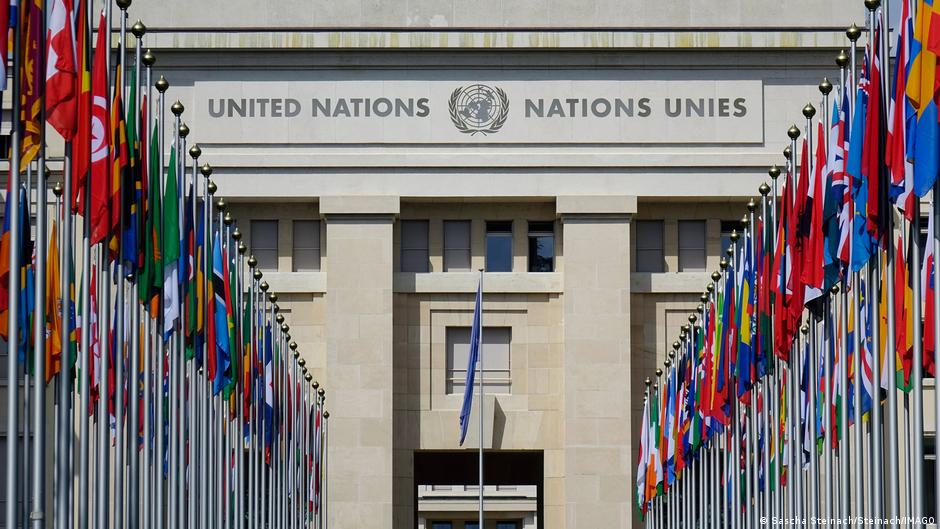
The UN faces a financial crisis as major donors like the US and China delay payments, forcing cuts to vital programs and raising concerns for global aid and economic stability.

Renewed Russian missile strikes on Kyiv intensify economic uncertainty, impacting Ukrainian household budgets, savings, and investor confidence amid ongoing conflict.

Uzbek banks saw a 30.88% rise in deposits in Q1 2026, with corporate and retail savings fueling growth and boosting confidence in the financial sector.

Uzbek banks’ credit portfolios grew sharply in Q1 2026, but rising non-performing loans may impact household budgets and everyday investors.

Hungary’s new government enters talks with the EU to unlock billions in frozen funds, potentially easing household budget pressures and stabilizing the economy.

Uzbek banks now must keep a minimum balance on cards during automatic debt deductions, shielding consumers from full depletion of funds and aiding household budget stability.

Uzbekistan speeds up Asakabank privatization, affecting household savings, investments, and currency stability with asset transfers and financial restructuring.

Uzbek banks report strong Q1 2026 profits with rising assets and expenses, highlighting implications for household borrowing costs and consumer banking fees.