Zelensky Sees US Election Result as Boost for Ukraine Aid and Arms
The Democratic victory could shape US support for Kyiv, with potential implications for public spending, currencies and household finances.
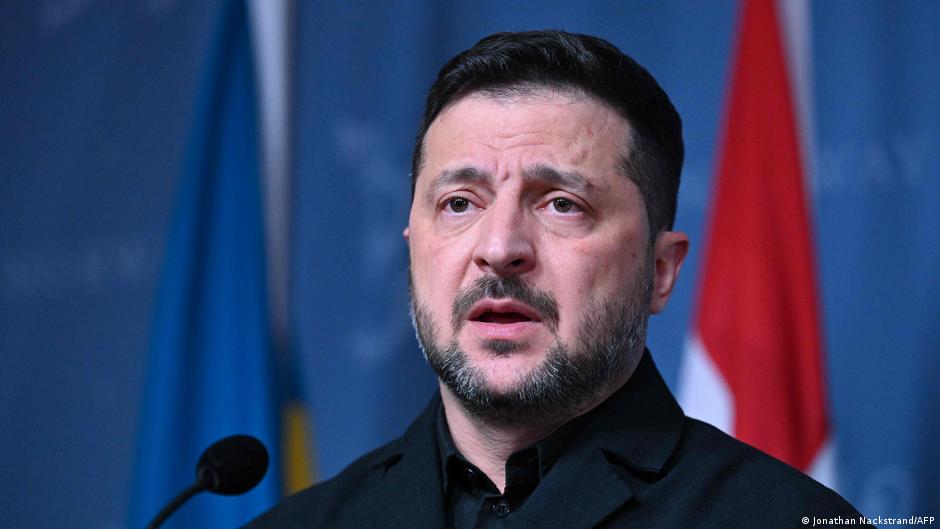
Ukrainian President Volodymyr Zelensky said he expects stronger support from Washington on weapons deliveries and financial assistance following the Democratic Party’s victory in the US midterm elections.
Speaking in an interview with German broadcaster ZDF on Wednesday, November 4, Zelensky said the election result could give Kyiv greater confidence that it will receive additional backing from the United States. The Democrats secured majorities in both the Senate and the House of Representatives, according to the election outcome described by the Ukrainian leader.
Zelensky said Democrats favor an “updating of ties between the United States and Europe.” He argued that substantial financial assistance and weapons supplies approved by Congress, comparable to the support currently provided and demonstrated by European countries, would be a positive development for Ukraine.
Stronger congressional backing for financial aid and arms could also influence Russian President Vladimir Putin, Zelensky said.
Why Ukraine funding matters to household finances
For American households, congressional decisions about assistance to Ukraine form part of the wider debate over federal spending priorities. Financial support authorized by lawmakers is funded through the public budget, placing it alongside domestic programs, defense commitments and other government obligations competing for federal resources.
The immediate effect on a family’s monthly expenses is not automatic or easily isolated. A congressional aid package does not translate directly into a specific change in grocery bills, mortgage payments or taxes. Its significance for consumers instead lies in how it fits into broader fiscal policy and how investors interpret the government’s spending plans, borrowing needs and geopolitical commitments.
Everyday investors may therefore watch the composition and timing of any proposed assistance rather than treating political statements as completed policy. Zelensky expressed hope for greater support, but the scale, structure and approval process for future financial aid and weapons deliveries would depend on decisions taken in Washington.
The election result may also matter to savers and investors through market expectations. A clearer political path for continued US assistance could affect assessments of geopolitical risk, defense spending and relations between Washington and Europe. Those expectations can influence demand for currencies and other assets, although the direction and size of any market reaction cannot be determined from Zelensky’s remarks alone.
Currencies, savings and investor risk
Currency movements are especially relevant to households buying imported goods, traveling abroad or holding savings and investments denominated in dollars or euros. Changes in perceptions of US-European coordination can feed into foreign-exchange markets, but they compete with interest rates, inflation, economic growth and central-bank policy. Consumers should not assume that one election result or one anticipated aid decision will determine exchange rates by itself.
For retirement savers and small investors, the practical issue is portfolio exposure. Companies connected to defense, energy and international trade may react differently to shifts in US policy toward Ukraine. Broader stock and bond markets may also respond to changes in government borrowing expectations or geopolitical uncertainty. Zelensky’s comments offer a political signal, rather than a guarantee of particular market returns.
European households also have a direct stake in Washington’s decisions. Zelensky explicitly compared potential US support with the assistance already being provided by European countries. If American and European policies become more closely aligned, governments on both sides of the Atlantic would still have to balance external commitments with domestic pressure over public services, taxes and living costs.
Melania Trump receives Ukrainian honor
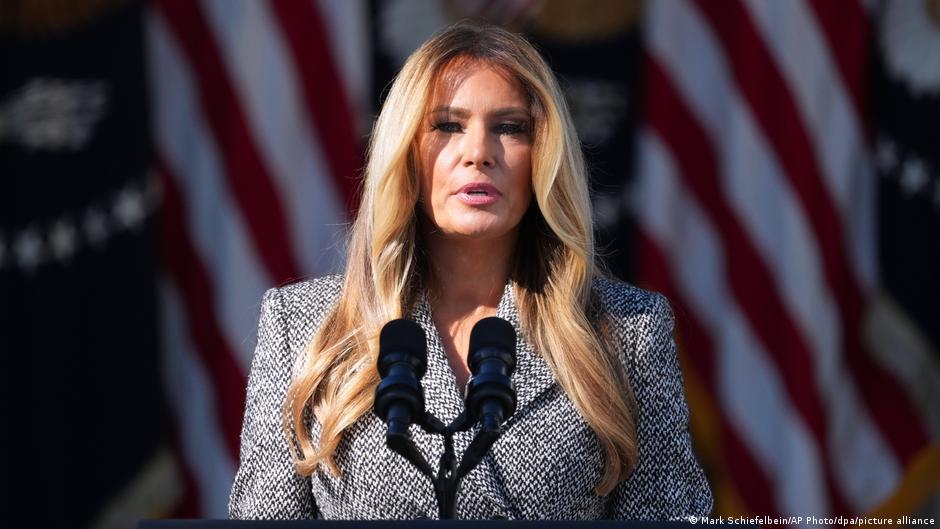
On the same day, the official website of the Ukrainian president published a decree awarding US first lady Melania Trump the Order of Princess Olga, First Class, a Ukrainian national honor.
The award recognized her role in achieving an agreement on a temporary ceasefire in the Russian-occupied city of Oleshky, known in Russian as Alyoshki, in Ukraine’s Kherson region.
The decree cited Melania Trump’s “significant personal contribution” to humanitarian support for Ukraine, as well as her active work in human rights protection and charitable activities. She had previously spoken out repeatedly in support of Ukrainian children.
The honor adds a humanitarian dimension to Zelensky’s appeal for continued political, financial and military backing. For consumers and investors, however, the central question remains what Congress ultimately approves. The Democratic majorities may improve Kyiv’s expectations, but any consequences for household budgets, savings or markets will depend on the details of future legislation and the wider economic environment.