Russian Diesel Tankers Turn Away, Threatening Relief for US Fuel Budgets
Two tankers carrying Russian diesel have changed course, clouding a deal intended to reduce US pump prices and ease pressure on households.
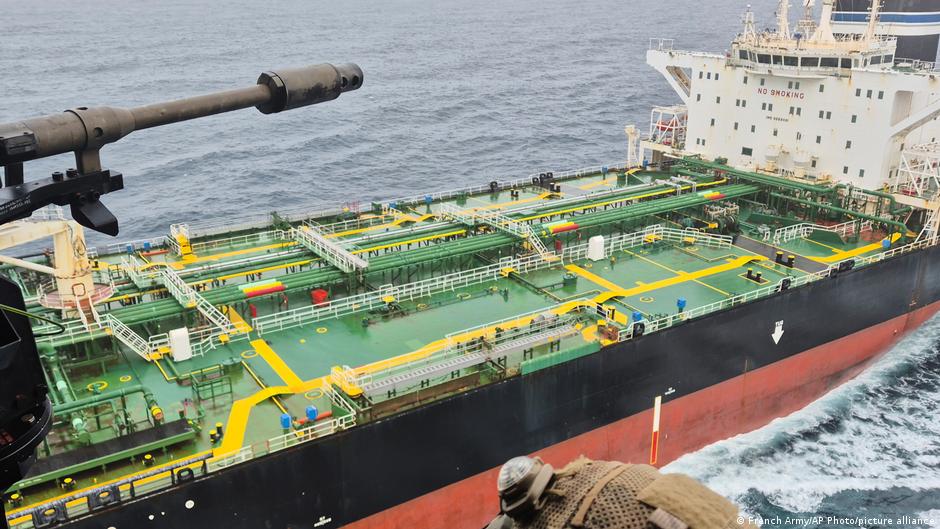
American households hoping for relief from historically expensive diesel face renewed uncertainty after two of three tankers carrying Russian fuel toward the United States changed course, threatening an import agreement between US President Donald Trump and Russian President Vladimir Putin.
The proposed diesel purchases were intended to increase US supplies and bring down fuel prices before they filtered further into household budgets. Diesel futures have risen by more than 60% since the start of the war in Iran. At the beginning of November 2026, diesel at US filling stations averaged about $6.30 a gallon, equivalent to $1.66 a liter.
Those prices affect more than drivers of diesel-powered cars and pickup trucks. Businesses use diesel to move groceries, parcels and manufactured goods, while farmers, construction companies and other industries rely on it to operate machinery. When their fuel bills rise, consumers can ultimately face higher delivery charges and retail prices, adding pressure to budgets already stretched by transportation and other essential costs.
Two sanctioned vessels abandon US destinations
The Russian tanker Talisman and the Hong Kong-owned Leruo, which sails under the Sierra Leone flag, no longer list the US Atlantic coast as their destination, according to the Financial Times. Both vessels are under European Union sanctions.
Leruo changed course toward Brazil on November 2. Talisman entered the Mediterranean and was positioned off Algeria, transmitting a “for orders” signal. That status indicates that its cargo does not yet have a confirmed buyer or destination port.
A third tanker, Agioi Fanendes, owned by Greek shipping company Eastern Mediterranean Maritime, continued to sail toward the United States but was also signaling “for orders.” It was due to arrive in New York over the weekend.
“Given the apparent caution of US buyers over regulatory, legal and sanctions risks, it would not be surprising if this tanker also changed course and abandoned its US call,” Kpler analyst Matt Smith told the Financial Times.
Another vessel, the Beast, loaded fuel at the Russian port of Primorsk on October 27 and continued to head toward the US Atlantic coast. The tanker, owned by companies based in the Seychelles, is also under sanctions.
Why diverted cargoes matter to consumers
The ships’ movements do not by themselves determine what Americans will pay at the pump. Retail diesel prices also reflect crude costs, refinery output, inventories, distribution expenses and regional demand. But fewer imported cargoes would weaken one potential source of additional supply at a time when diesel futures have already recorded a steep wartime increase.
If the planned shipments fail to reach US ports, the agreement may deliver less immediate relief than the White House expected. For households, the most visible effect would be continued high prices when filling diesel vehicles. The broader concern is that elevated transport costs can remain embedded in the prices of food and other everyday purchases.
Consumers may therefore want to treat any promised fuel-price decline cautiously when planning near-term spending. A deal can be announced before buyers, ports and regulators have cleared individual cargoes, and a tanker’s listed destination can change during a voyage. The “for orders” status transmitted by two vessels underscores that uncertainty.
Everyday investors also face a complicated picture. Higher diesel futures can benefit some refiners and fuel suppliers, but they may squeeze transportation companies and other businesses with heavy fuel consumption. The tanker diversions add sanctions and regulatory uncertainty to the normal risks surrounding energy prices. They may also contribute to short-term volatility in energy-related investments, although the eventual market effect depends on whether the cargoes are redirected, sold or ultimately admitted to the United States.
Currency effects are less direct. Changes in energy trade can influence demand for dollars and other currencies, but the volumes and final buyers of these cargoes remain uncertain. Savers should not assume that the tankers’ movements alone will produce a clear or lasting move in exchange rates.
Political timing adds to uncertainty
Trump reached the diesel-purchase agreement with Putin several weeks before the US congressional midterm elections. The administration hoped that importing Russian fuel would reduce prices and strengthen political support.
The initiative did not help the Republican Party secure control of Congress. In the November 3 elections, Democrats won majorities in both the Senate and the House of Representatives.
That result creates another layer of uncertainty around the arrangement, alongside the legal, regulatory and sanctions concerns already making US buyers cautious. For consumers, the practical question is whether any of the fuel will reach the domestic market in sufficient quantities to influence prices. With two tankers redirected, another lacking a confirmed buyer or port and only one sanctioned vessel still maintaining a stated US course, the expected relief remains far from assured.