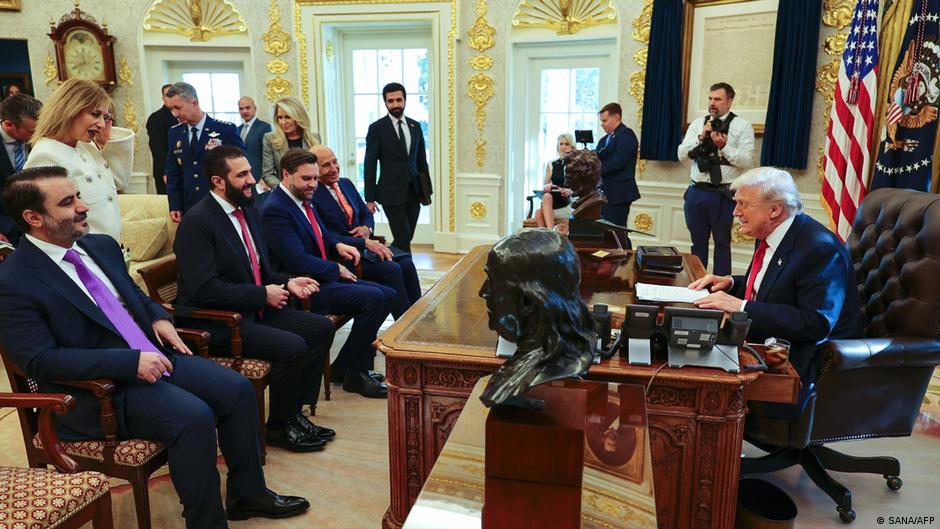
Trump Offers Russia Help as Irkutsk Health Scare Raises Border Concerns
Reports from Irkutsk have prompted U.S. attention and regional border precautions, raising questions for travelers, households and investors.

Reports from Irkutsk have prompted U.S. attention and regional border precautions, raising questions for travelers, households and investors.

The U.S. has removed Syria from its terrorism sponsor list, opening new economic opportunities with potential impacts on currencies, investments, and household finances worldwide.

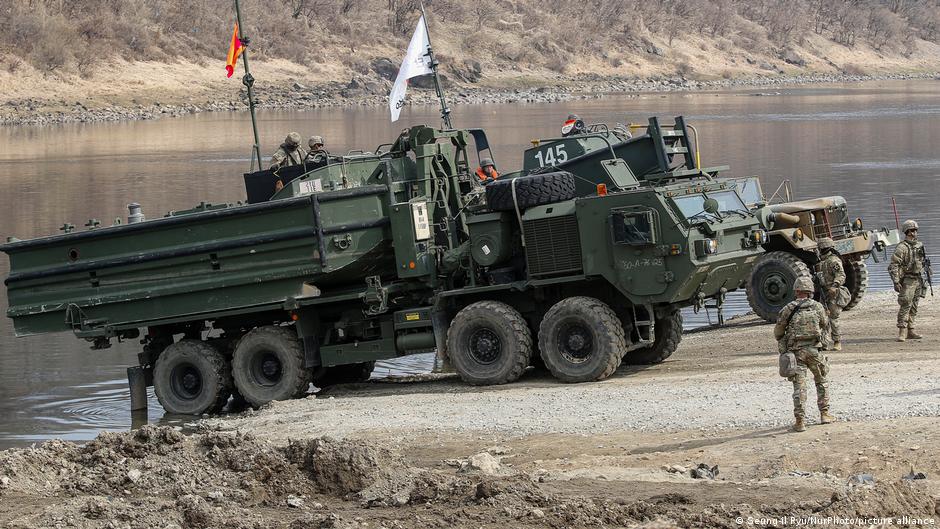
The US scales back joint military drills with South Korea, affecting defense budgets and potentially impacting household finances and currency stability in the region.

Jared Kushner's talks with Hamas highlight persistent Middle East tensions that could impact currencies, inflation, and household finances worldwide.

Geopolitical tensions between Qatar and Iran threaten currency stability and consumer costs, impacting household budgets and everyday investors in the Gulf region.

Drone attacks on Russian cities disrupt energy and logistics infrastructure, potentially leading to higher consumer costs and financial market uncertainty.

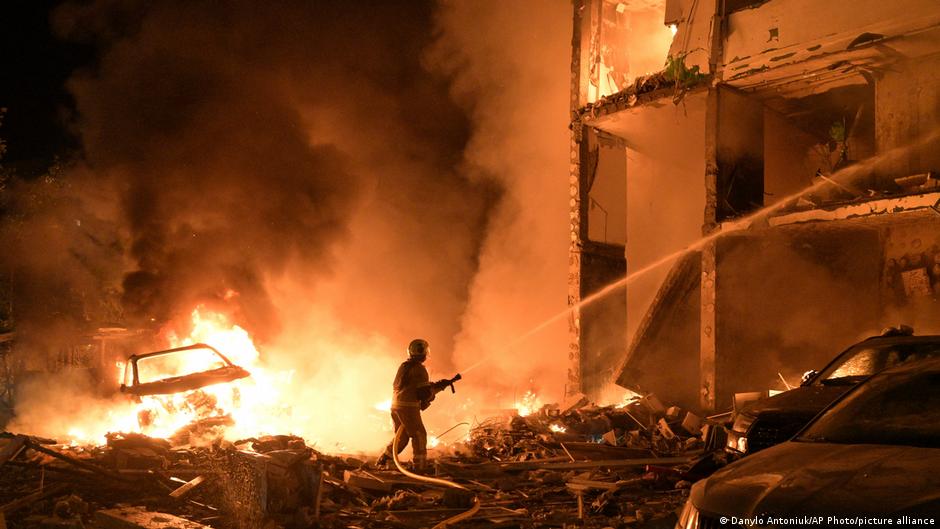
Missile attacks in Kyiv injure civilians and damage infrastructure, exacerbating fuel shortages and economic challenges that impact household budgets and regional markets.

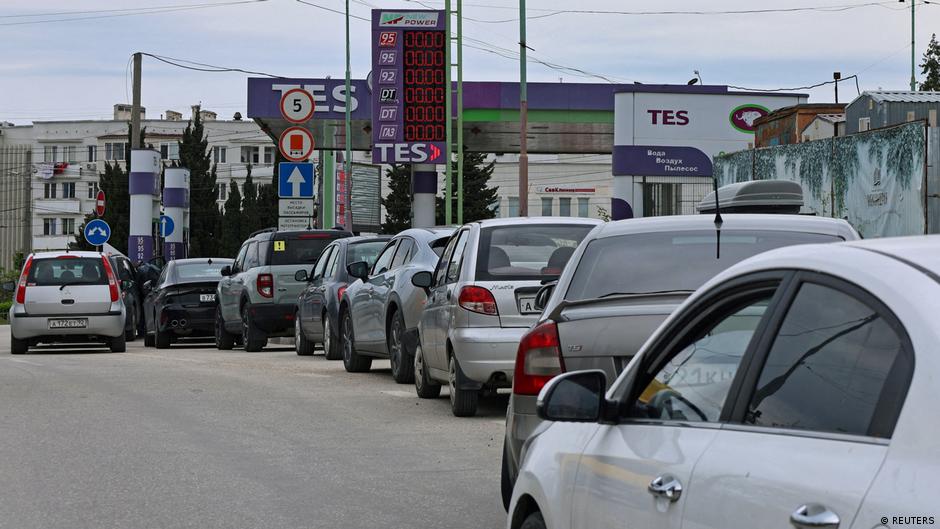
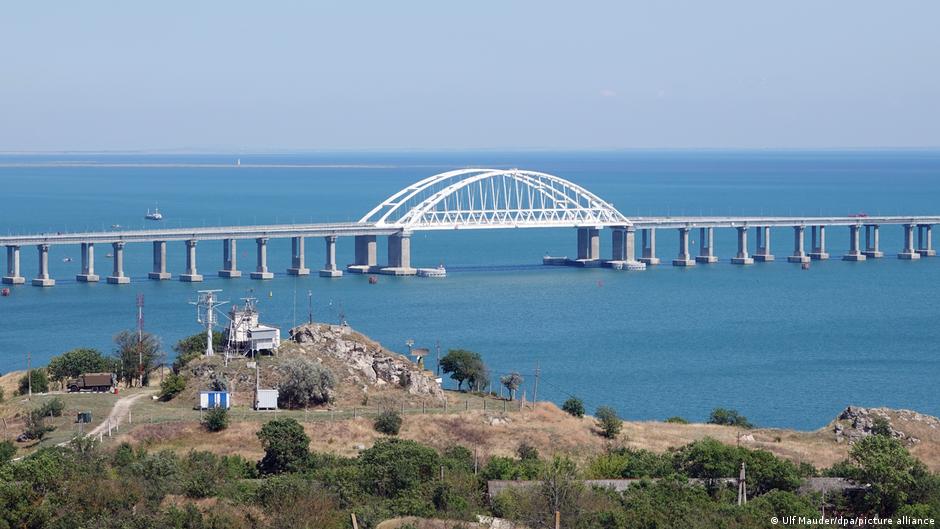
Gasoline prices in Crimea surged nearly 92% in early July, doubling in just one week and severely impacting household budgets and regional fuel markets.

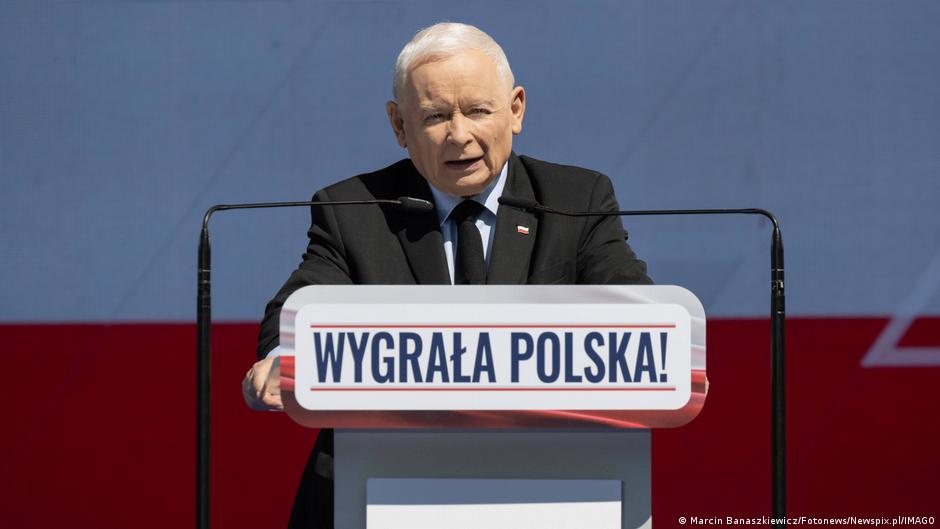
Polish opposition leader Jarosław Kaczyński calls to block Ukraine’s EU accession talks amid rising tensions that could affect consumer economies and household budgets.

Drone strikes on Crimea's energy facilities threaten local energy supplies, potentially raising household costs and impacting regional markets and investors.

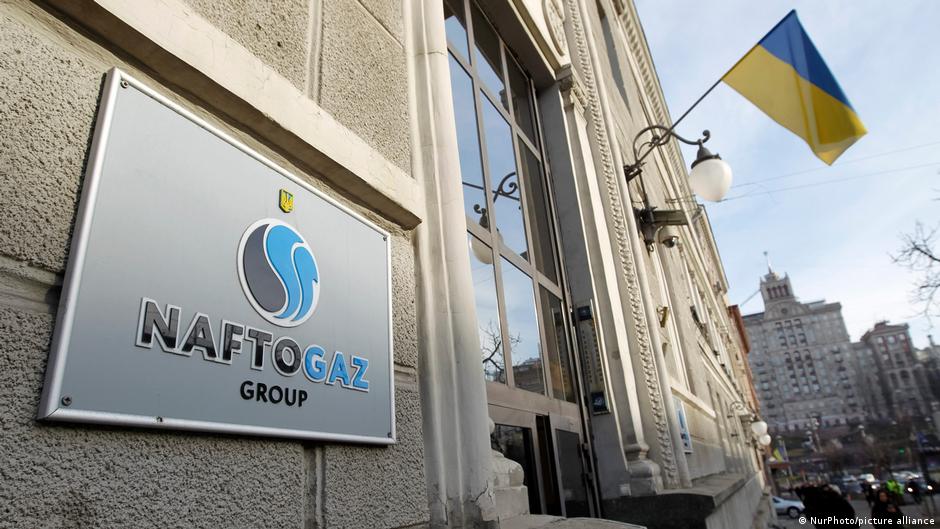
Finland has confiscated €3.7 million in Russian assets following a legal claim by Ukraine's Naftogaz, highlighting geopolitical risks impacting currencies and investors.

Israel's naval blockade halts humanitarian aid to Gaza, deepening economic pressures on household budgets, currency stability, and consumer markets in the region.

The extension of the Lebanon-Israel ceasefire could help stabilize regional currencies and ease financial pressures on households, affecting consumer confidence and investments.

Uzbek and Afghan entrepreneurs sign $300 million in trade agreements, expanding product availability and impacting household budgets and investments across Central Asia.