US Push to Restart Russian Gas Transit Could Reshape European Bills
The proposed route through Ukraine may ease energy costs but could revive currency, savings and investment risks for European households.
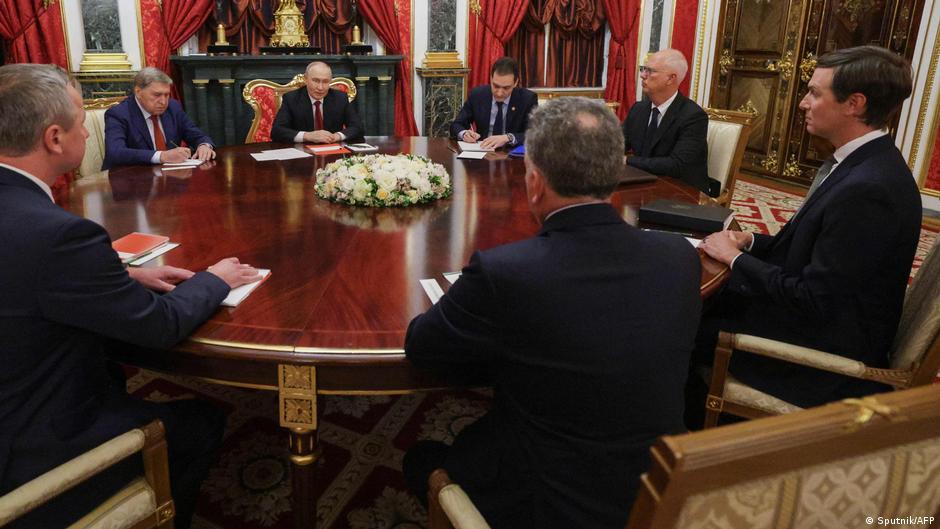
The United States is pressing for a rapid restart of Russian natural gas deliveries to Europe through Ukraine as part of negotiations over an energy truce between Moscow and Kyiv, according to The Wall Street Journal, citing US, European and Ukrainian officials.
For European households, the proposal could affect far more than monthly gas bills. A return of pipeline supplies might help relieve elevated energy prices, but it could also renew the continent’s exposure to Russian fuel, complicate the European Union’s planned phaseout and introduce fresh uncertainty for currencies, inflation and household savings.
The idea was discussed by US negotiators Jared Kushner and Steve Witkoff during trips to Moscow and Kyiv in September, the newspaper reported. It would involve selling Russian gas through an American intermediary, a structure expected to bypass European sanctions while creating potentially profitable opportunities for US investors.
What the proposal could mean for household budgets
Washington is seeking a broad agreement to halt strikes on energy facilities ahead of trilateral talks among the United States, Russia and Ukraine scheduled for November in Abu Dhabi. The Trump administration expects European governments’ resistance to the gas proposal may be less forceful than their public statements suggest, according to the report.
The immediate consumer appeal is straightforward: additional pipeline gas could expand Europe’s energy supply at a time when high prices and energy-security concerns remain politically sensitive. If the extra supply reduced wholesale gas prices, the effect could eventually reach household heating and electricity bills, although the report provided no estimate of the potential savings or timetable for consumers.
Cheaper energy could also ease pressure on the broader cost of living because gas and electricity prices feed into businesses’ production, transport and operating costs. That matters for household budgets already stretched by expensive essentials. However, any benefit would depend on the terms of the arrangement, the volume delivered and whether lower wholesale prices were passed through to consumers.
US officials believe Russia’s return to the European gas market could give President Vladimir Putin an additional incentive to support an energy truce. Ukraine, meanwhile, would receive additional revenue from transporting gas through its territory, according to the Journal.
The financial trade-off for consumers is between possible near-term relief on energy costs and renewed long-term dependence on a supplier Europe has spent years trying to replace.
One US official said the White House had also proposed depositing proceeds from Russian gas sales to Europe into a special account in a third jurisdiction. The mechanism would be intended to restrict the use of the money for military purposes.
Savings, currencies and investor exposure
For savers and everyday investors, the proposal introduces competing forces. Lower energy costs could reduce inflation pressure, potentially influencing interest-rate expectations and the returns available on savings accounts and bonds. A more secure energy outlook could also support European companies that are heavy users of gas. At the same time, renewed reliance on Russian supply could increase geopolitical risk for utilities, industrial businesses and investment funds exposed to the region.
Energy prices can also influence the euro by affecting Europe’s import bill and economic outlook. A more affordable and stable gas supply could improve household and business confidence, while a politically contested arrangement or another disruption could have the opposite effect. The Journal did not report any forecast for currency movements, and the eventual market impact would depend on whether the proposal advances beyond negotiations.
The initiative faces significant resistance in Europe. Existing EU legislation provides for a phased end to Russian gas imports by the end of 2027, and leaders of the largest European countries have repeatedly said they do not want to become dependent again on Russian energy.
Europe has already substantially changed its supply mix. Russian gas now accounts for about 11% of European consumption, down from 45% before Russia’s full-scale invasion of Ukraine. Liquefied natural gas from the United States currently supplies roughly 30% of Europe’s gas consumption, according to the report.
That shift has consequences for consumers and investors. US LNG has helped Europe diversify, but the proposed restoration of Russian pipeline flows could change competition among suppliers and affect infrastructure, energy-company revenues and government policy. American investors could also gain from the intermediary structure described by officials.
Some European officials have sharply criticized the proposal in private, the Journal reported. Even so, the US administration is betting that high energy prices and concerns about supply security may make European countries more receptive. Households should therefore view the talks as an early policy signal rather than an immediate reason to change savings or investment plans. The central question is whether possible bill relief would be durable enough to outweigh the financial and geopolitical risks of rebuilding dependence on Russian gas.