Cyberattacks Send False Nuclear Alerts to Users in Ukraine and Russia
The disruption highlights how compromised public-warning apps can affect household decisions, digital security and confidence during crises.
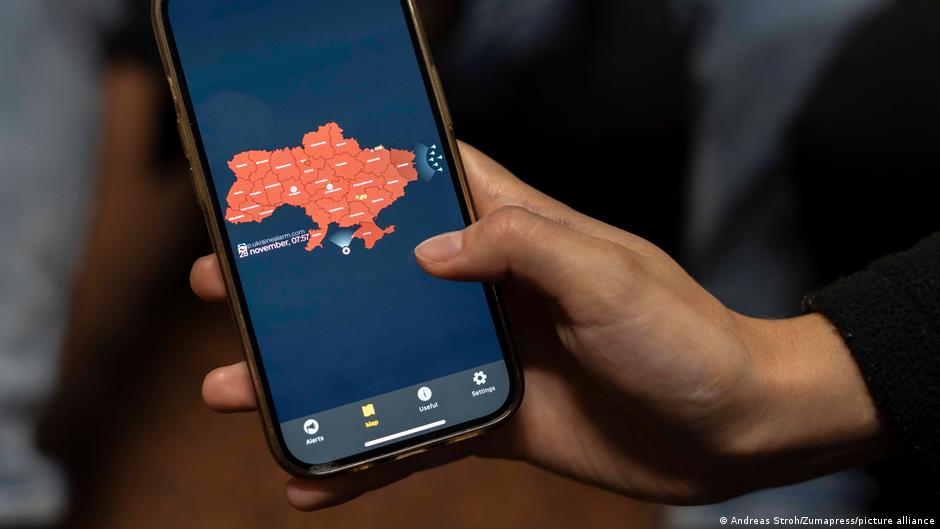
Users of government-linked emergency notification services in Ukraine and Russia received false warnings about radiation, chemical hazards and nuclear weapons after cyberattacks disrupted mobile applications in both countries.
For households already navigating the financial pressures associated with security risks, the incidents illustrate how compromised alerts can create immediate uncertainty. False emergency messages may influence decisions about travel, work, shopping and access to cash, while also exposing users to suspicious links that could threaten their finances or digital accounts.
Ukraine’s official Air Alert application, which is used to notify the public about threats, came under cyberattack on the evening of Sunday, November 1. Users began receiving false notices about radiation and chemical dangers, as well as warnings of possible street fighting in Kyiv.
The Ukrainian Air Force was among the first authorities to respond. The military said the application had probably been subjected to “hostile interference” and stressed that there was no radiation threat.
Ukraine’s State Emergency Service said the nationwide warning system continued to operate normally. It added that all genuine threat alerts were being transmitted to regional administrations and outdoor public-warning systems.
Suspicious links add a consumer-security risk
The application’s developers later confirmed that the service had been breached. They said unauthorized third parties had interfered with the app and that push notifications had been disabled while its operation was temporarily suspended.
“Today, third parties carried out unauthorized interference with the application. We disabled push notifications and temporarily suspended the application,” the developers said.
The team also urged users not to follow links contained in suspicious notifications. That advice carries a direct personal-finance dimension: links delivered through a familiar warning service can appear credible, potentially making users more vulnerable to phishing, account theft or other forms of digital fraud. The developers did not report financial losses or say that the false messages had been used to obtain banking credentials.
During the night of November 2, the development team reported that the service was being restored gradually following the cyberattack. Users began receiving air-raid notifications again, although some functions remained temporarily unavailable.
The developers said the application does not store users’ personal data and that additional cybersecurity measures were being introduced. The absence of stored personal information may limit one category of consumer exposure, but the incident still demonstrates how attackers can undermine confidence in a service without necessarily obtaining a database of user records.
False alerts can complicate household decisions
Emergency notifications often prompt people to make rapid choices. Households may change transport plans, leave work, cancel purchases, seek shelter or attempt to secure food, medicine and cash. When an alert is false, those actions can impose unnecessary costs and disruption, particularly for families with limited savings or little flexibility in their working hours.
The attacks also underline the importance of checking official alternative channels before making financial decisions in response to an unexpected digital warning. Ukrainian authorities said regional administrations and street-based warning systems continued to receive genuine alerts, providing users with other ways to assess whether a notification was authentic.
For everyday investors and currency holders, alarming messages involving radiation or nuclear weapons can also generate anxiety about markets and exchange rates. The source reports no specific market movement, currency reaction or investment loss linked to the incidents. Still, false crisis information can pressure individuals to act before official confirmation, increasing the risk of rushed transfers, asset sales or cash withdrawals based on inaccurate claims.
Russian emergency app reports a parallel attack
Russia’s Emergency Situations Ministry reported a cyberattack at almost the same time. The ministry said its mobile application had been subjected to a “massive cyberattack,” allowing attackers to distribute false information to users claiming that nuclear warheads had been launched toward Russia.
The ministry said specialists were working to address the vulnerability and restore the service to normal operation. It did not report consumer financial losses or disclose whether personal information had been compromised.
Taken together, the incidents show that public-warning applications can become targets for messages designed to provoke fear and confusion across large groups of users. The immediate issue for consumers is not only whether an alert is technically genuine, but whether acting on it could carry practical or financial consequences.
Users in both countries were left relying on official confirmations and alternative warning channels while technical teams worked to restore the affected services. For households, the safest financial response to an extraordinary notification is to avoid suspicious links, verify the warning through established public channels and delay irreversible money decisions until the information has been confirmed.