G20 Ukraine Deadlock Keeps Household Financial Risks in Focus
Kaja Kallas said Russia showed no readiness for peace talks, prolonging uncertainty for household budgets, savings and investments.
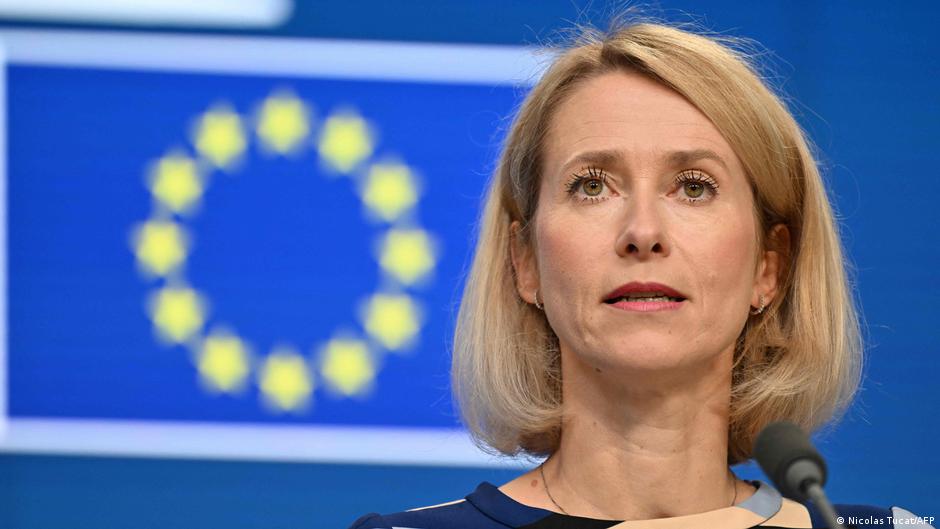
Russia gave no indication that it was ready for peace negotiations over Ukraine during a meeting of Group of 20 foreign ministers in Atlanta, according to Kaja Kallas, the European Union’s high representative for foreign affairs and security policy.
Kallas said on Friday, October 30, that Russian Foreign Minister Sergei Lavrov had not demonstrated Moscow’s willingness to pursue a negotiated settlement. Her assessment points to continued geopolitical uncertainty, an important backdrop for households already managing pressure on budgets, savings and investments.
Asked by an AFP journalist whether Lavrov had signaled any willingness to make concessions to end the war, Kallas said he had not.
“Even if they claimed the opposite in words, their actions say otherwise,” Kallas said.
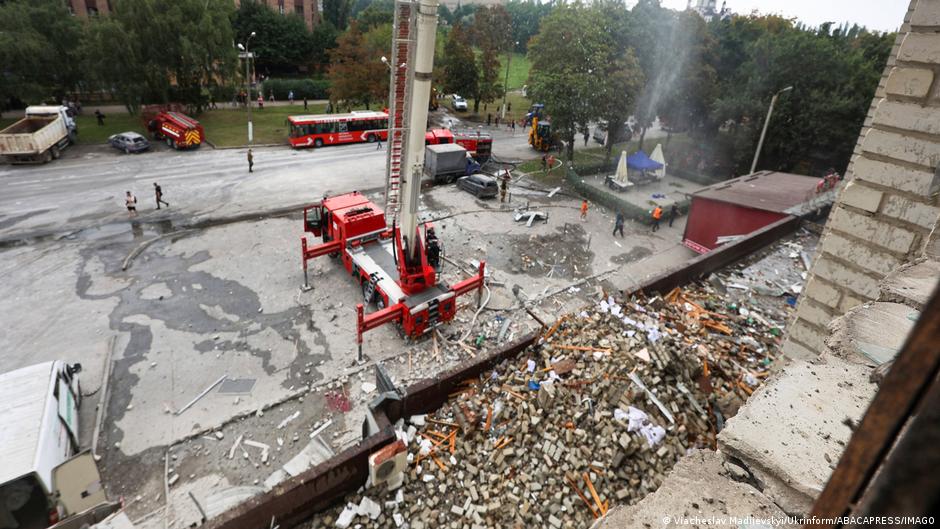
She said Russia must prove through its actions that it is prepared to negotiate. Kallas also noted that July, August and September had been the deadliest months for Ukrainian civilians.
Why the diplomatic impasse matters for household finances
The foreign ministers’ meeting did not produce the kind of diplomatic signal that could reduce uncertainty surrounding the war. For consumers, savers and everyday investors, that means the conflict remains a risk that can influence the wider economic environment through energy costs, inflation expectations, government spending priorities and financial-market sentiment.
The immediate impact on any household will depend on where it lives, how it heats its home, what it buys and how its savings are invested. European consumers can be particularly attentive to developments involving Russia because the war and the measures adopted in response have affected energy supply arrangements and trade relationships. However, Kallas did not announce new economic measures or provide forecasts for prices, currencies or interest rates.
Households should therefore distinguish between the political development itself and any measurable financial consequences. The statements from Atlanta signal that tensions remain unresolved, but they do not establish that utility bills, borrowing costs or exchange rates will move in a particular direction. Those outcomes depend on later policy decisions and market reactions.
For savers, prolonged uncertainty can reinforce the value of maintaining accessible emergency funds and avoiding decisions driven solely by a single diplomatic headline. For investors, the episode is another reminder that geopolitical risk can affect different assets unevenly. A diversified portfolio is generally less dependent on one country, currency, industry or political outcome than a concentrated position.
Kallas calls for greater pressure on Moscow
Kallas also accused Lavrov of presenting false and distorted information during the meeting.
“Of course, he voiced many lies, many distorted facts, which we were subsequently able to refute,” she said.
The EU foreign policy chief called for increased pressure on Moscow. She did not specify in the reported remarks what additional steps should be taken. Any future measures would need to be assessed on their details, including whether they affect trade, energy, financial transactions or other areas with potential consequences for consumers and businesses.
That distinction matters for household planning. Political calls for greater pressure do not automatically translate into a specific change in living costs or investment values. The financial effect would depend on the design, timing and geographic scope of any measures ultimately adopted.
European ministers reject a return to normal relations
Earlier, German Foreign Minister Johann Wadephul said the European participants at the G20 foreign ministers’ meeting had refused to take part in a group photograph with Lavrov because of the continuing war in Ukraine.
“There are no normal relations with Russia,” Wadephul said. He acknowledged that contact with the Russian side was necessary to discuss disagreements, but stressed that such engagement should not create the impression that the parties were returning to their usual format of interaction.
The decision underscored the political distance between Russia and European governments even as officials continued direct contact at the G20 gathering. For consumers and investors, the central takeaway is not the photograph itself but the broader message: diplomatic engagement is continuing without normalization, and no clear path toward ending the conflict emerged from the reported exchanges.
That leaves households facing an extended period in which geopolitical developments may remain one of several sources of economic volatility. Consumers can respond most effectively by focusing on factors they can control, including spending buffers, debt exposure and the diversification of long-term savings, while waiting for concrete policy announcements before drawing conclusions about prices or markets.