Ukraine’s Reported Refinery Strike Pause Puts Fuel Costs in Focus
A reported halt in attacks on Russian refineries highlights how wartime energy policy can reach household bills, currencies and portfolios.
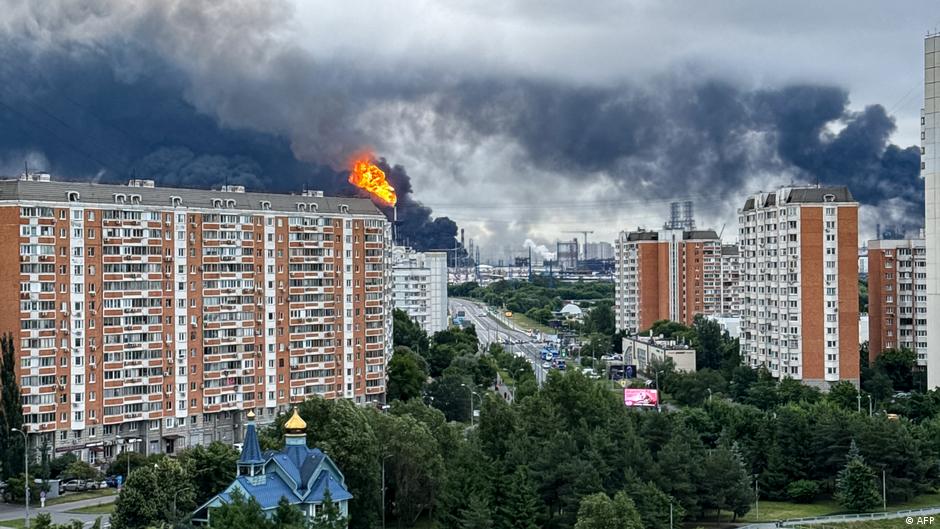
Ukraine has reportedly paused attacks on Russian oil refineries following weeks of pressure from US President Donald Trump, bringing energy prices and their effect on household budgets into the center of a sensitive diplomatic dispute.
The Wall Street Journal, citing unnamed sources, reported on Thursday, October 29, that the unofficial pause began early last week, when tensions between Kyiv and Washington were at their highest. It is expected to remain in place through the November 3 US midterm elections and could continue for part of November.
Ukraine has not officially announced a suspension. President Volodymyr Zelensky said in Kyiv on October 28 that Ukrainian forces had recently exercised greater caution but had not been ordered to stop attacking refineries.
“Our guys have tried to be more careful in recent days. But they have no order” not to strike refineries, Zelensky said, according to the report.
Why refinery attacks matter to consumers
For households, the immediate issue is whether fewer disruptions to Russian refining could ease pressure on supplies of diesel and other fuels. Refinery outages can affect expectations in energy markets even when crude oil remains available, because consumers and businesses need processed products rather than raw petroleum.
Any reduction in fuel-market pressure could eventually feed into transport and delivery expenses, farm costs and prices at stores. The outcome is not guaranteed: retail fuel bills also depend on crude prices, refining capacity elsewhere, taxes, distribution margins and currency movements.
Trump has blamed Ukraine’s attacks on Russian refineries for high global fuel prices. Energy experts cited in the source article, however, attributed the elevated prices primarily to the US-Israeli war against Iran. That distinction matters to consumers and investors because it suggests a pause in Ukrainian strikes may address only one of several forces shaping the market.
Republican candidates feared that expensive fuel could hurt them in the November 3 elections, according to the report. Trump consequently eased sanctions on Russian diesel in an effort to reduce pressure on American farmers and other consumers. Diesel costs are particularly important beyond the filling station because the fuel powers agricultural machinery and freight networks, allowing price changes to spread across household spending categories.
Currency and investment implications
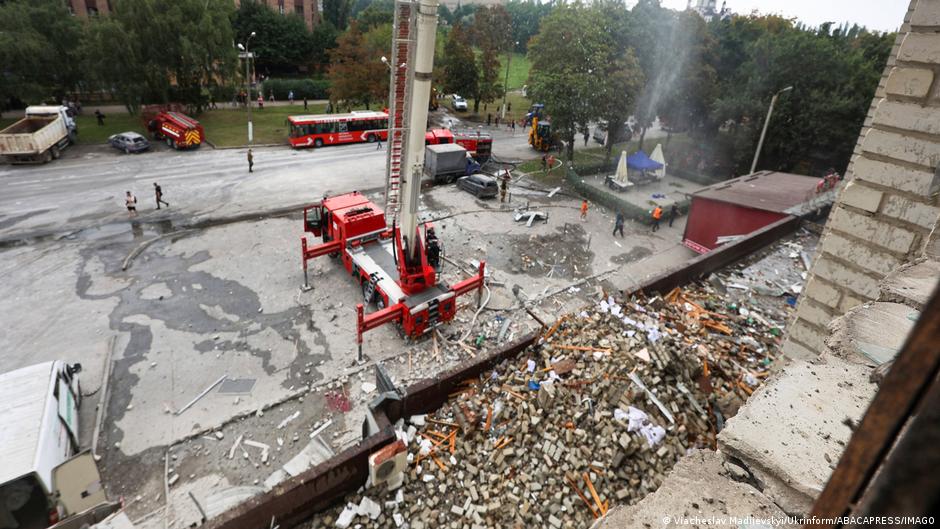
Everyday investors may see the reported pause as a potential moderating influence on near-term refining risk, but geopolitical uncertainty remains unusually high. Russia continues to intensify missile and drone attacks on Ukraine’s energy infrastructure and cities, while civilian casualties are rising. Ukraine has also retained the option to resume refinery strikes if its military considers them necessary.
Energy developments can affect currencies through trade balances, inflation expectations and central-bank policy. Countries dependent on imported fuel can face renewed pressure on their currencies when energy costs rise, while exporters may benefit from stronger revenues. For households holding foreign-currency savings or investing internationally, those shifts can influence purchasing power and portfolio returns even without any direct exposure to oil companies.
Ukraine’s vulnerability to US pressure reportedly reflects its continuing dependence on Starlink satellite communications, American intelligence data and interceptor missiles for Patriot air-defense systems. That dependence has persisted even after Trump ended most US military and financial assistance to Kyiv following his return to the White House last year.
According to two unnamed US officials, Jared Kushner, Trump’s son-in-law, joined an October 20 meeting in Oslo by video. The talks involved US special envoy Steve Witkoff, Zelensky and European delegations. Kushner reportedly told Zelensky that he and Witkoff were spending substantial time, energy and jet fuel negotiating with Moscow over terms to end the war, and that a 30-day pause in refinery attacks could be a way for Ukraine to demonstrate gratitude.
The following day, Trump called SpaceX chief Elon Musk and asked him to restore Starlink service for Ukraine, according to the report. Its sources said the Starlink issue and the refinery-strike pause were not connected.
A fragile pause rather than a settlement
Some of Kyiv’s strongest European supporters became concerned by the increasingly heated exchanges between Trump and Zelensky, as well as disruptions to Starlink. One European official said European representatives also advised Zelensky to stop refinery attacks until after the US elections.
Two unnamed military officials said Ukrainian units responsible for long-range strikes were told in mid-October that the refinery operation was “effectively on pause” once missions already underway had been completed.
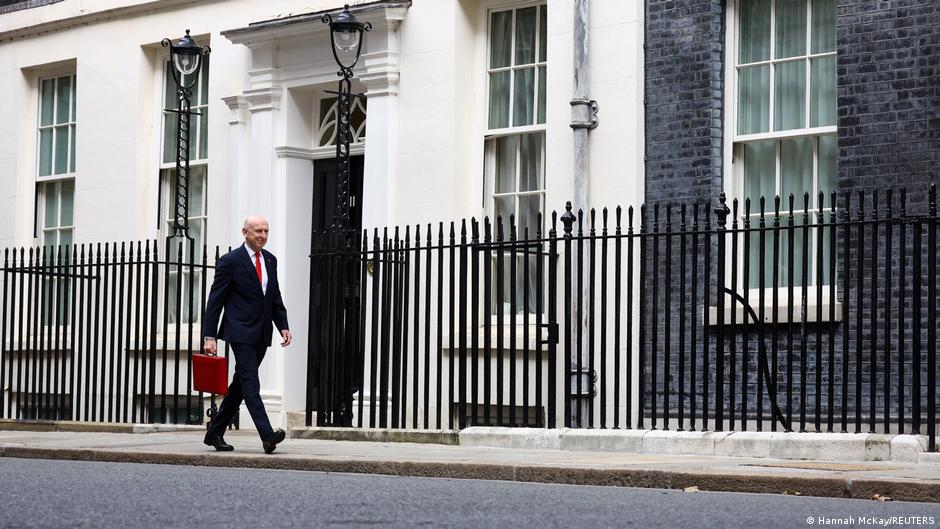
One source said Ukrainian Defense Minister Yevhen Khmara told Zelensky that military leaders had concluded it would be better to refrain from refinery attacks because of the delicate diplomatic situation. Zelensky agreed but stressed that forces could resume such attacks if they judged them necessary.
Kyiv is seeking stronger protection for Ukraine’s energy infrastructure in exchange for restraint, according to Zelensky. For consumers and investors, that leaves the outlook conditional: the pause could reduce one source of refinery disruption, but it does not remove the wider risks to fuel prices, inflation, currencies or markets created by continuing conflict and attacks on energy systems.