Russian Missile Attacks on Kyiv Region Result in Civilian Casualties and Property Damage
Recent Russian strikes in Kyiv's Brovary district caused fatalities, injuries, and fires impacting local households and infrastructure.
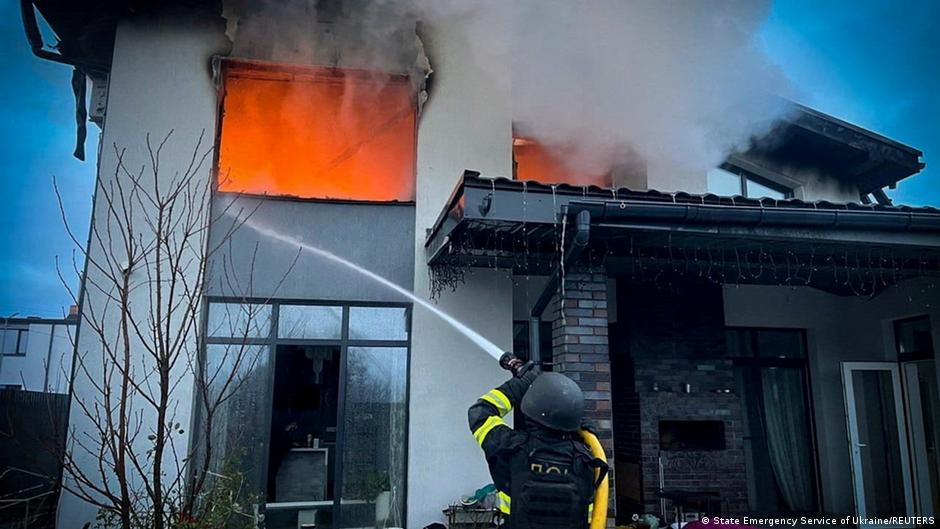
In a renewed escalation of hostilities, Russian forces launched a combined missile and drone attack overnight targeting Kyiv and its surrounding region. The strikes resulted in the deaths of three civilians, including a child, and left three others injured, authorities confirmed. Residential properties and essential local infrastructure suffered damage, exacerbating the challenges faced by affected families and communities.
Impact on Households and Local Economy
The missile and drone strikes struck multiple sites in the Brovary district, located east of Kyiv, causing significant harm to private homes, outbuildings, and vehicles. Additionally, fires broke out on the premises of non-residential buildings, further threatening local property and safety. Emergency services rushed to contain the blazes and assess the extent of destruction, but details remain emerging.
"Three people were killed, including a child, and three were injured, also including a child," said the head of Kyiv Regional Military Administration, Timur Tkachenko.
For everyday residents, these attacks have immediate consequences. Damage to homes and vehicles imposes unexpected financial burdens on households. Insurance claims, repair costs, and temporary displacement strain personal budgets, forcing families to dip into savings or seek loans. Local businesses and public utilities also face operational disruptions, impacting income stability and community services.
The attacks included the use of ballistic missiles and unmanned aerial vehicles (UAVs), with air raid alerts issued twice during the night. Kyiv’s municipal authorities reported fires in the Holosiivskyi and Obolonskyi districts, including a fuel tank fire, indicating risks not only to residential zones but also to industrial and storage facilities. Such incidents raise concerns about environmental damage and potential spikes in fuel prices and availability locally.
From a broader economic perspective, repeated attacks contribute to currency volatility and investor uncertainty. The destruction and disruption feed into inflationary pressures as supply chains are affected and consumer confidence wanes. Households may see rising costs of goods and reduced access to services, complicating budgeting and long-term financial planning.
In response, local authorities and emergency services continue efforts to manage the immediate aftermath and provide assistance to those impacted. However, the ongoing conflict underscores the vulnerability of civilian populations and the persistent economic ripple effects that extend well beyond the battlefield.