Raid on Russian Music Festival Leads to Nearly 100 Arrests Amid Political Tensions
Authorities detained around 100 individuals at an informal music festival near Vyborg, citing political songs and regime change calls.
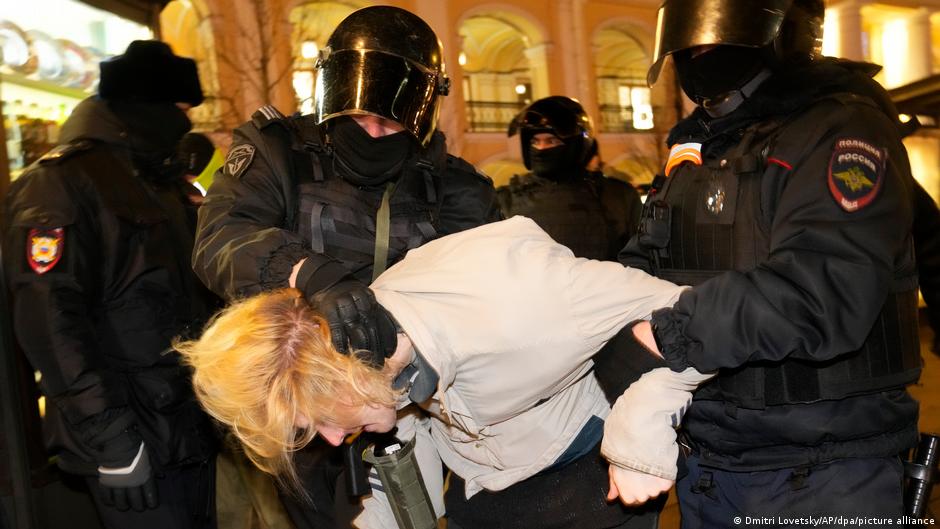
In a significant law enforcement operation, Russian security forces conducted a raid on an informal music festival held in the forest near Vyborg, a town close to the Finnish border. Approximately 100 attendees were detained during the sweep, which authorities justified by citing performances of songs supporting Ukraine and calls for regime change in Russia.
Impact on Attendees and Broader Implications for Russian Households
The festival, reportedly ongoing since 2023, is known for its secretive nature: organizers reveal the location only about a day prior to the event and restrict attendance to a select group. Official sources characterized the gathering as "left-radical," highlighting the presence of Ukrainian symbols and allegations of widespread drug use. Participants were subjected to stringent police procedures, including being forced to lie face down with hands behind their heads and coerced confessions of drug use recorded on camera.
While the immediate consequences are primarily legal and political, the broader ramifications resonate with everyday Russian households. The crackdown exemplifies the tightening environment for cultural and political expression, which can indirectly affect consumer confidence and savings decisions. For many citizens, increased state intervention in social gatherings signals potential risks for personal freedoms and financial security.
"The festival's disruption and subsequent arrests underscore the complexities for individuals navigating cultural expression amid heightened political scrutiny."
In addition to cultural implications, such government actions may have consequences for currency stability and investment behavior. Heightened political tensions often lead to fluctuations in the ruble's value, influencing the cost of imported goods and inflation rates that directly impact household budgets. Consequently, everyday investors might face greater uncertainty in domestic markets, prompting shifts toward safer assets or foreign currencies where accessible.
Moreover, the confiscation of equipment like quadcopters used for recording indicates increasing surveillance, which may deter informal economic activities and sharing economies that supplement household incomes. The looming possibility of criminal charges adds to a climate of caution among younger populations, who are often the most active in such alternative economic and cultural spheres.
In summary, the raid on the Vyborg music festival not only reflects the current political climate but also signals broader economic and social ripple effects. Russian households might need to reassess budgeting and savings strategies in response to the evolving regulatory landscape and its potential impact on market stability and personal freedoms.