London Hosts Large Right-Wing and Pro-Palestinian Rallies Amidst Rising Social Tensions
Tens of thousands gathered in London for simultaneous protests, reflecting deep societal divides with potential impact on economic confidence and household stability.
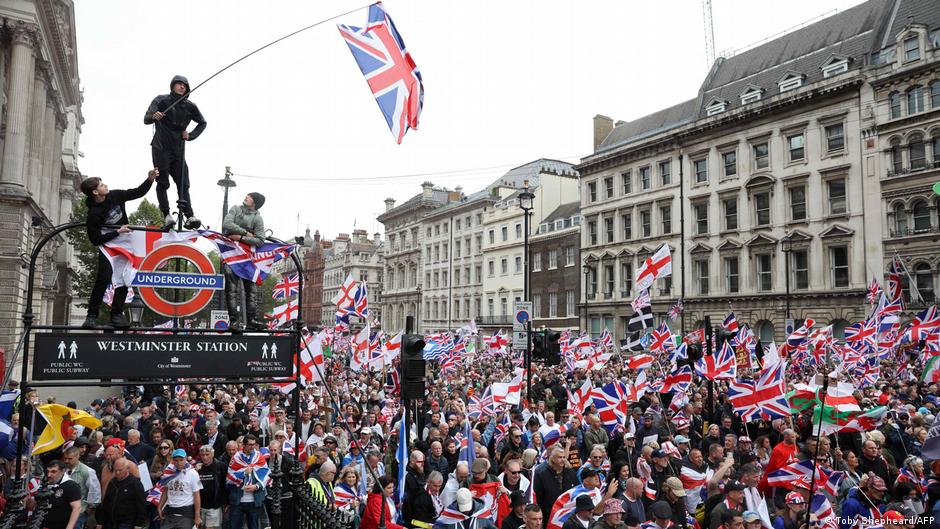
On May 16, London witnessed two major public demonstrations occurring simultaneously, highlighting significant social and political tensions within the UK. Tens of thousands of participants took to the streets, reflecting sharply contrasting views on immigration and international conflict, factors that can influence household budgets, savings, and consumer confidence.
Mass Demonstrations Reflect Divided Public Sentiment
The first rally, organized by far-right activist Stephen Yaxley-Lennon, known as Tommy Robinson, drew participants protesting against immigration and the number of asylum seekers. The second protest was held in remembrance of the Nakba, the 1948 displacement of approximately 700,000 Palestinians following the establishment of the State of Israel.
While organizers of each demonstration claimed varying attendance figures—with far-right groups asserting millions and pro-Palestinian supporters estimating 250,000—official reports suggest that tens of thousands participated in total. This marked a significant public mobilization occurring alongside the English FA Cup final, which attracted thousands of football fans to London.
To manage the events, around 4,000 police officers were deployed, resulting in 43 arrests. Authorities reported that both demonstrations passed without major incidents, despite heightened political rhetoric.
"Both demonstrations proceeded without significant incidents, ensuring public safety amid a charged atmosphere," police officials noted.
Implications for Personal Finance and Consumer Confidence
These public displays of division carry potential consequences beyond the political arena. Social unrest and political polarization can undermine economic confidence, which is critical for household budgeting and savings behavior. Uncertainty around immigration policies and international relations often influences currency stability and investment outlooks, with everyday investors potentially adjusting their risk assessments accordingly.
For consumers, concerns about social cohesion and political stability can translate into cautious spending and saving practices. Moreover, political criticism directed at leadership figures, including UK Prime Minister Keir Starmer, may reflect deeper anxieties about governance and economic management. Such factors can affect the broader economic environment, influencing inflation trends, currency valuation, and market volatility.
The far-right demonstration focused on discontent with immigration levels and government policies, while the pro-Palestinian march highlighted international geopolitical issues, specifically criticism of US and UK political figures. The presence of politically charged slogans, including those opposing the Israeli Defence Forces, underscores the intensity of sentiments involved.
For households and individual investors, understanding these societal undercurrents becomes essential. Political stability is closely linked to economic stability; fluctuations in social cohesion can impact financial markets, employment prospects, and ultimately disposable income.
As London navigates these competing demonstrations and the broader social divisions they represent, consumers and investors alike are advised to monitor political developments closely. Strategic financial planning should account for potential volatility in currency markets and consumer sentiment as social tensions evolve.